


Więcej o książce
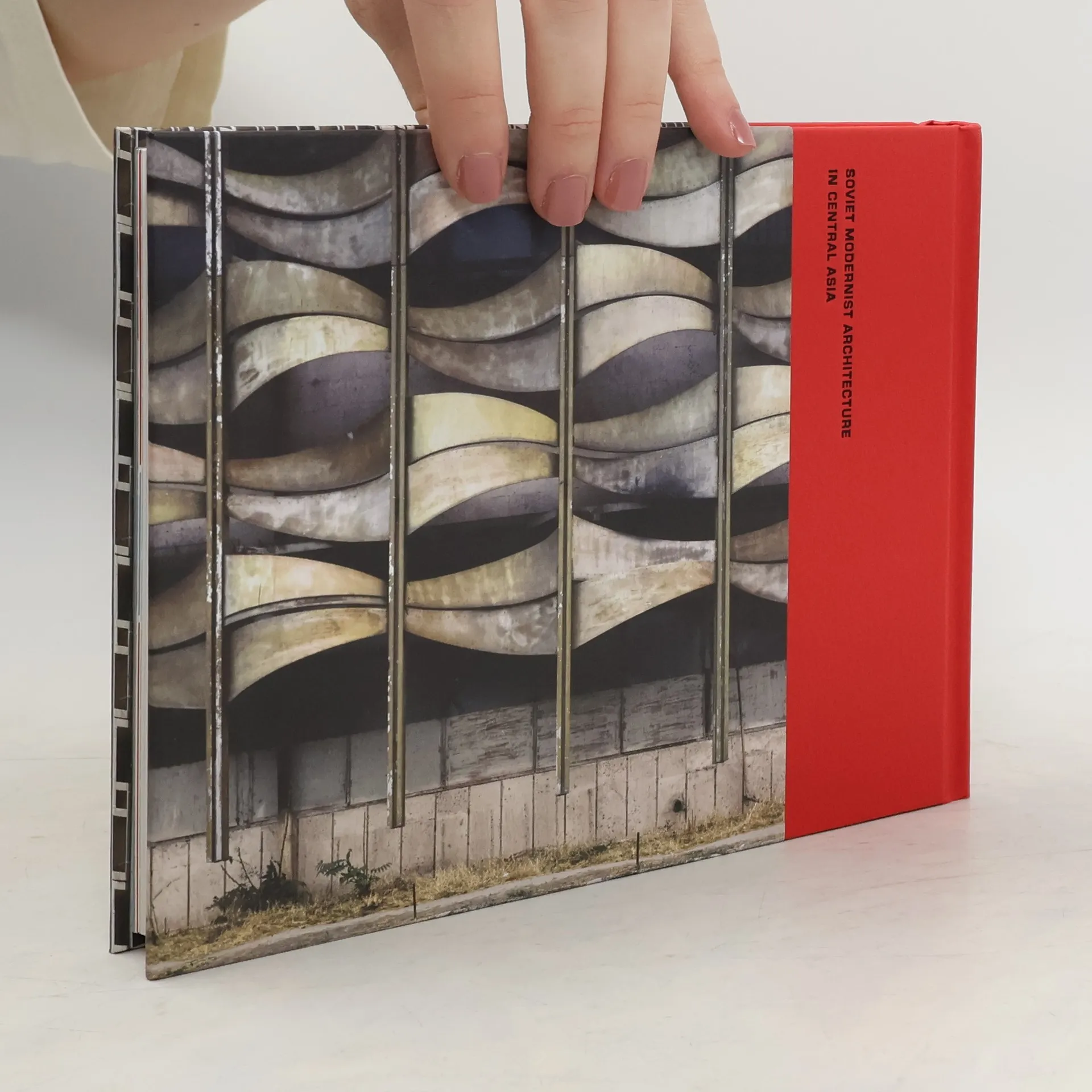
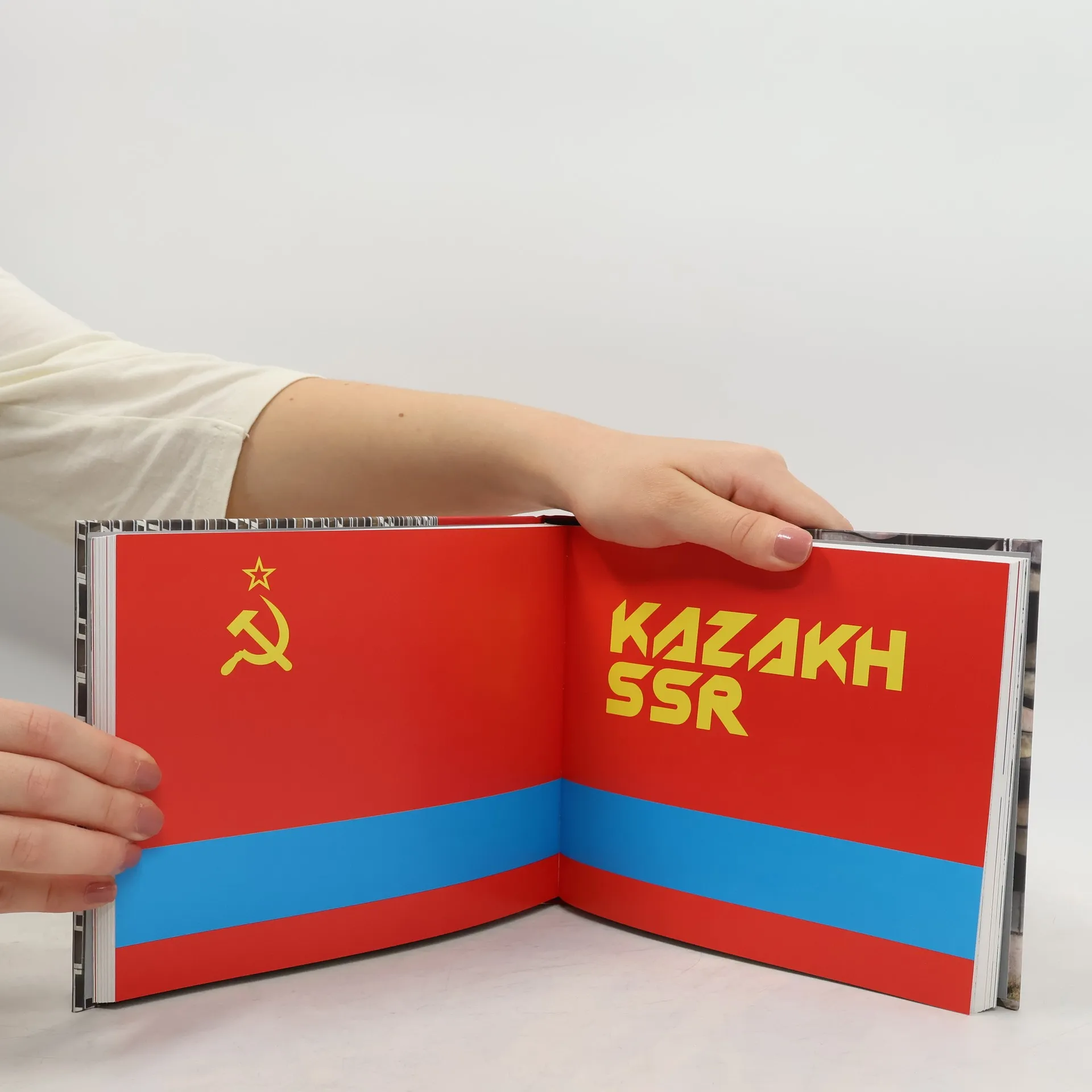
Soviet Asia' explores the Soviet modernist architecture of Central Asia. Italian photographers Roberto Conte and Stefano Perego crossed the former Soviet republics of Kazakhstan, Kyrgyzstan, Uzbekistan and Tajikistan, documenting buildings constructed from the 1950s until the fall of the USSR. The resulting images showcase the majestic, largely unknown, modernist buildings of the region. Museums, housing complexes, universities, circuses, ritual palaces - all were constructed using a composite aesthetic. Influenced by Persian and Islamic architecture, pattern and mosaic motifs articulated a connection with Central Asia. Grey concrete slabs were juxtaposed with colourful tiling and rectilinear shapes broken by ornate curved forms: the brutal designs normally associated with Soviet-era architecture were reconstructed with Eastern characteristics. Many of the buildings shown in 'Soviet Asia' are recorded here for the first time, making this book an important document, as despite the recent revival of interest in Brutalist and Modernist architecture, a number of them remain under threat of demolition
Zakup książki
Soviet Asia, Roberto Conte, Stefano Perego
- Język

- Rok wydania
- 2019
- Oprawa
- (twarda)
Metody płatności
Brakuje nam tutaj Twojej recenzji.
- Tytuł
- Soviet Asia
- Język
- angielski
- Autorzy
- Roberto Conte, Stefano Perego
- Wydawca
- Fuel Publishing
- Rok wydania
- 2019
- Oprawa
- twarda
- Liczba stron
- 192
- ISBN10
- 0995745552
- ISBN13
- 9780995745551
- Seria
- Kategorie
- Tagi
- Ocena
- 5 z 5
- Opis
- Soviet Asia' explores the Soviet modernist architecture of Central Asia. Italian photographers Roberto Conte and Stefano Perego crossed the former Soviet republics of Kazakhstan, Kyrgyzstan, Uzbekistan and Tajikistan, documenting buildings constructed from the 1950s until the fall of the USSR. The resulting images showcase the majestic, largely unknown, modernist buildings of the region. Museums, housing complexes, universities, circuses, ritual palaces - all were constructed using a composite aesthetic. Influenced by Persian and Islamic architecture, pattern and mosaic motifs articulated a connection with Central Asia. Grey concrete slabs were juxtaposed with colourful tiling and rectilinear shapes broken by ornate curved forms: the brutal designs normally associated with Soviet-era architecture were reconstructed with Eastern characteristics. Many of the buildings shown in 'Soviet Asia' are recorded here for the first time, making this book an important document, as despite the recent revival of interest in Brutalist and Modernist architecture, a number of them remain under threat of demolition