

Więcej o książce
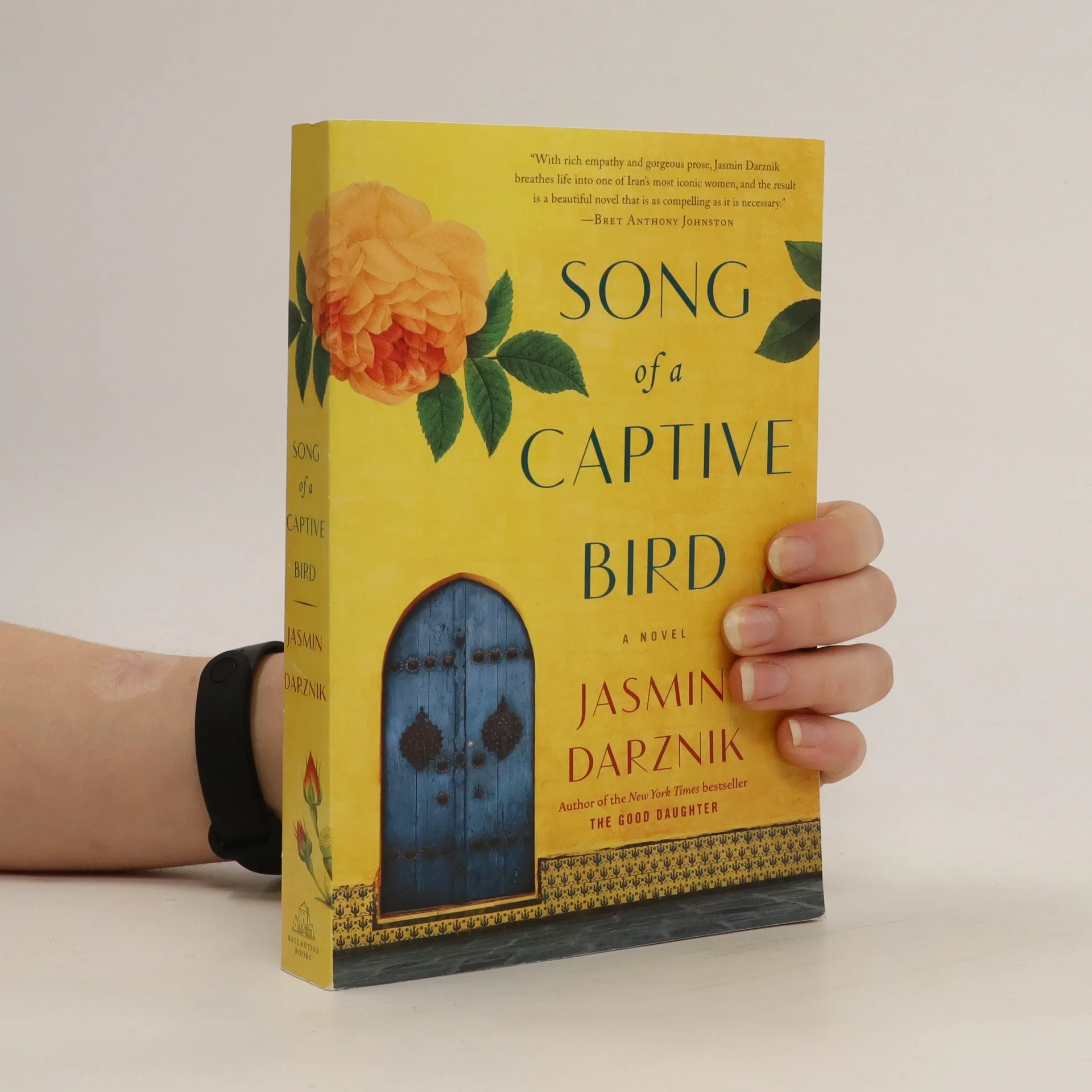
Whether gossiping with her sister among the fragrant roses of her mother's walled garden, or sneaking out to flirt with a teenage paramour over café glace, Forugh Farrokzhad was always a rebel. Though Iran was Westernizing in the 1940s, during Forugh's childhood, most of the country still believed that women were not to be heard from. Yet, at age eleven, young Forugh began writing poems to impress her strict, disapproving father--and a passion for words lodged deeply within her. When she ended up in a suffocating marriage at sixteen, she ran away and fell into a passionate love affair which only increased her creative wingspan, leading her to seek freedom and independence. Her poems were considered both scandalous and brilliant; Forugh was at once a national treasure and the devil too. She persevered, living by her own rules, at the cost of love, friendship, and eventually her own life, cut tragically short at the age of 32, amid the violent upheaval of the budding Iranian revolution. In subsequent years, Forugh's poetry was banned, the presses that printed her work burned to the ground, and citizens forced to hide away their treasured collections of her verses. To this day, Forugh Farrokhzad represents the birth of feminism in Iran, and Jasmin Darznik uses the lens of fiction to capture the tenacity, spirit, and ecstatic turmoil of this iconic woman's story.
Zakup książki
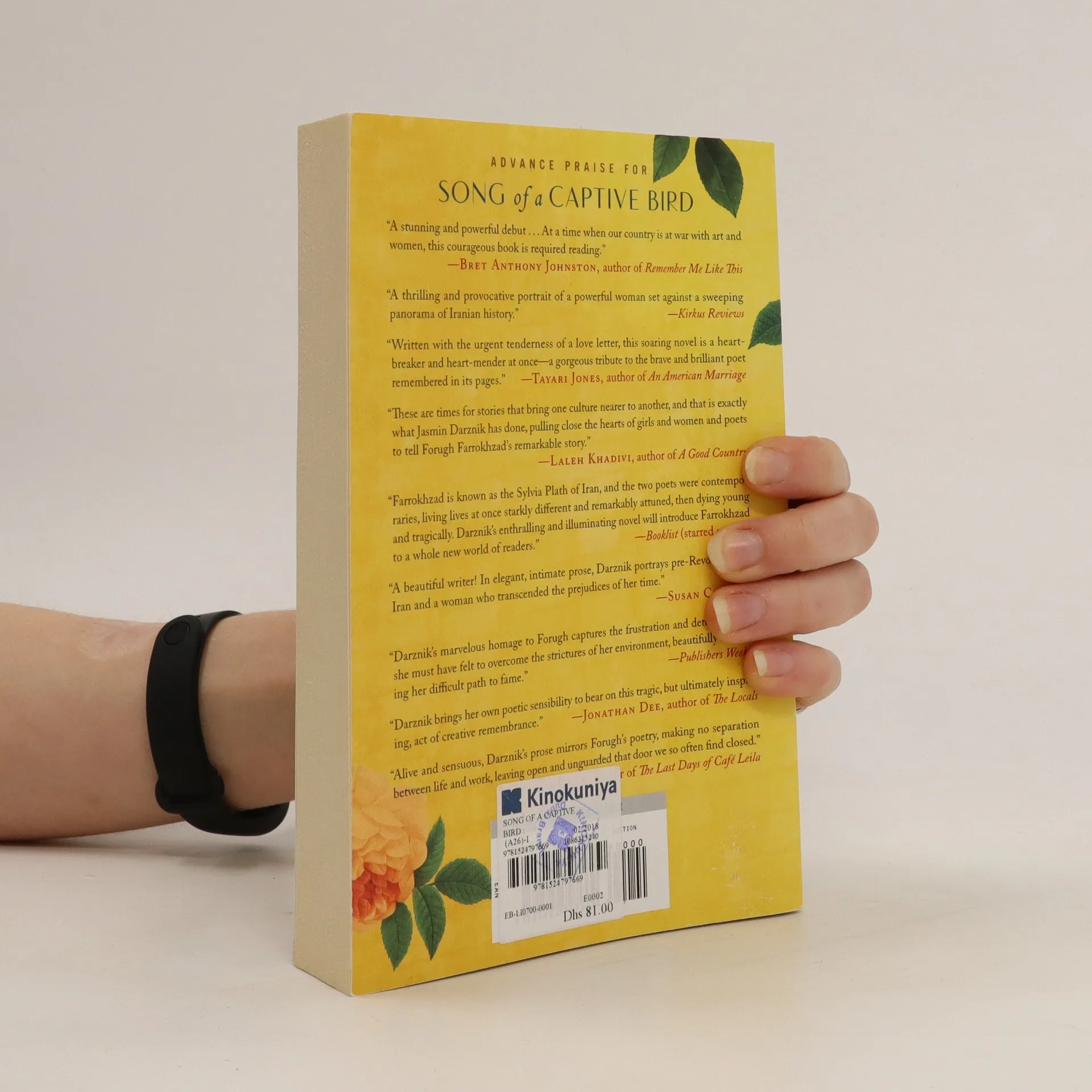
Song of a captive bird, Jasmin Darznik
- Język

- Rok wydania
- 2018
- Oprawa
- (miękka)
Metody płatności
Brakuje nam tutaj Twojej recenzji.
- Tytuł
- Song of a captive bird
- Język
- angielski
- Autorzy
- Jasmin Darznik
- Wydawca
- Ballantine Books
- Rok wydania
- 2018
- Oprawa
- miękka
- ISBN10
- 1524797669
- ISBN13
- 9781524797669
- Seria
- Ocena
- 4,2 z 5
- Opis
- Whether gossiping with her sister among the fragrant roses of her mother's walled garden, or sneaking out to flirt with a teenage paramour over café glace, Forugh Farrokzhad was always a rebel. Though Iran was Westernizing in the 1940s, during Forugh's childhood, most of the country still believed that women were not to be heard from. Yet, at age eleven, young Forugh began writing poems to impress her strict, disapproving father--and a passion for words lodged deeply within her. When she ended up in a suffocating marriage at sixteen, she ran away and fell into a passionate love affair which only increased her creative wingspan, leading her to seek freedom and independence. Her poems were considered both scandalous and brilliant; Forugh was at once a national treasure and the devil too. She persevered, living by her own rules, at the cost of love, friendship, and eventually her own life, cut tragically short at the age of 32, amid the violent upheaval of the budding Iranian revolution. In subsequent years, Forugh's poetry was banned, the presses that printed her work burned to the ground, and citizens forced to hide away their treasured collections of her verses. To this day, Forugh Farrokhzad represents the birth of feminism in Iran, and Jasmin Darznik uses the lens of fiction to capture the tenacity, spirit, and ecstatic turmoil of this iconic woman's story.