



Parametry
Więcej o książce
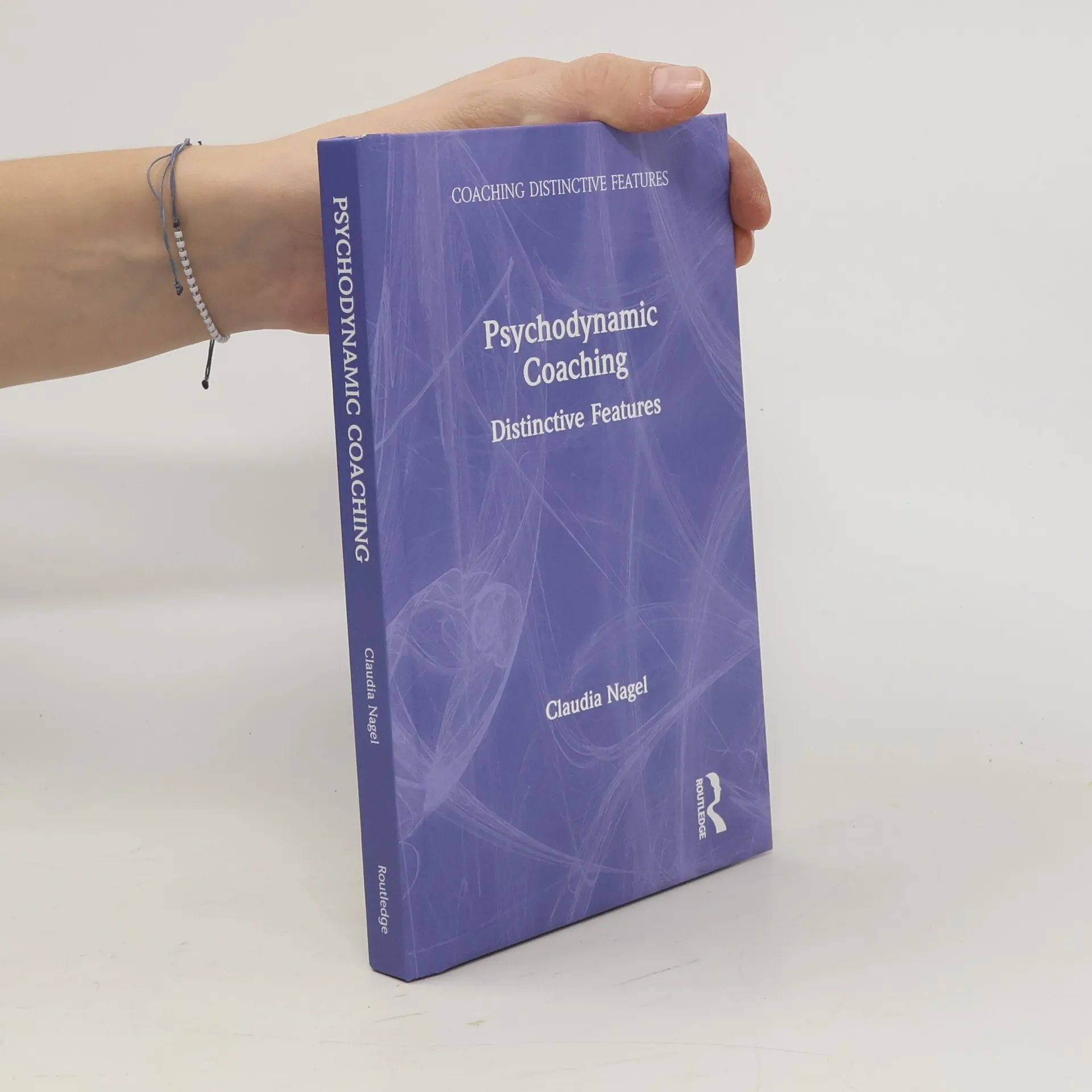
In Psychodynamic Coaching: Distinctive Features , Claudia Nagel presents a comprehensive overview of the unique features of psychodynamic coaching. As leaders and managers acknowledge the need to understand themselves and their context by looking underneath the surface to improve their decision-making, psychodynamic approaches offer unique insight. Psychodynamic Coaching: Distinctive Features covers not only the major theory but also the practice of coaching, giving guidance from beginning to end of the client relationship. Constructive, holistic and accessible, it demonstrates the impact and dynamics of the unconscious whilst illustrating the power of understanding human behaviour in the complexity of the modern world. With a focus on emotions and relationships in supporting modern leaders adapting to organsational challenges, this book will be an invaluable tool for coaches of all backgrounds, academics and students of coaching and organisational behaviour, and also clinicians. It will also be a key resource for senior leaders for their own personal growth.
Zakup książki
Psychodynamic Coaching, Claudia Nagel
- Język

- Rok wydania
- 2019
- Oprawa
- (twarda)
Metody płatności
Brakuje nam tutaj Twojej recenzji.
- Tytuł
- Psychodynamic Coaching
- Język
- angielski
- Autorzy
- Claudia Nagel
- Rok wydania
- 2019
- Oprawa
- twarda
- ISBN10
- 081539229X
- ISBN13
- 9780815392293
- Seria
- Ocena
- 3,5 z 5
- Opis
- In Psychodynamic Coaching: Distinctive Features , Claudia Nagel presents a comprehensive overview of the unique features of psychodynamic coaching. As leaders and managers acknowledge the need to understand themselves and their context by looking underneath the surface to improve their decision-making, psychodynamic approaches offer unique insight. Psychodynamic Coaching: Distinctive Features covers not only the major theory but also the practice of coaching, giving guidance from beginning to end of the client relationship. Constructive, holistic and accessible, it demonstrates the impact and dynamics of the unconscious whilst illustrating the power of understanding human behaviour in the complexity of the modern world. With a focus on emotions and relationships in supporting modern leaders adapting to organsational challenges, this book will be an invaluable tool for coaches of all backgrounds, academics and students of coaching and organisational behaviour, and also clinicians. It will also be a key resource for senior leaders for their own personal growth.