

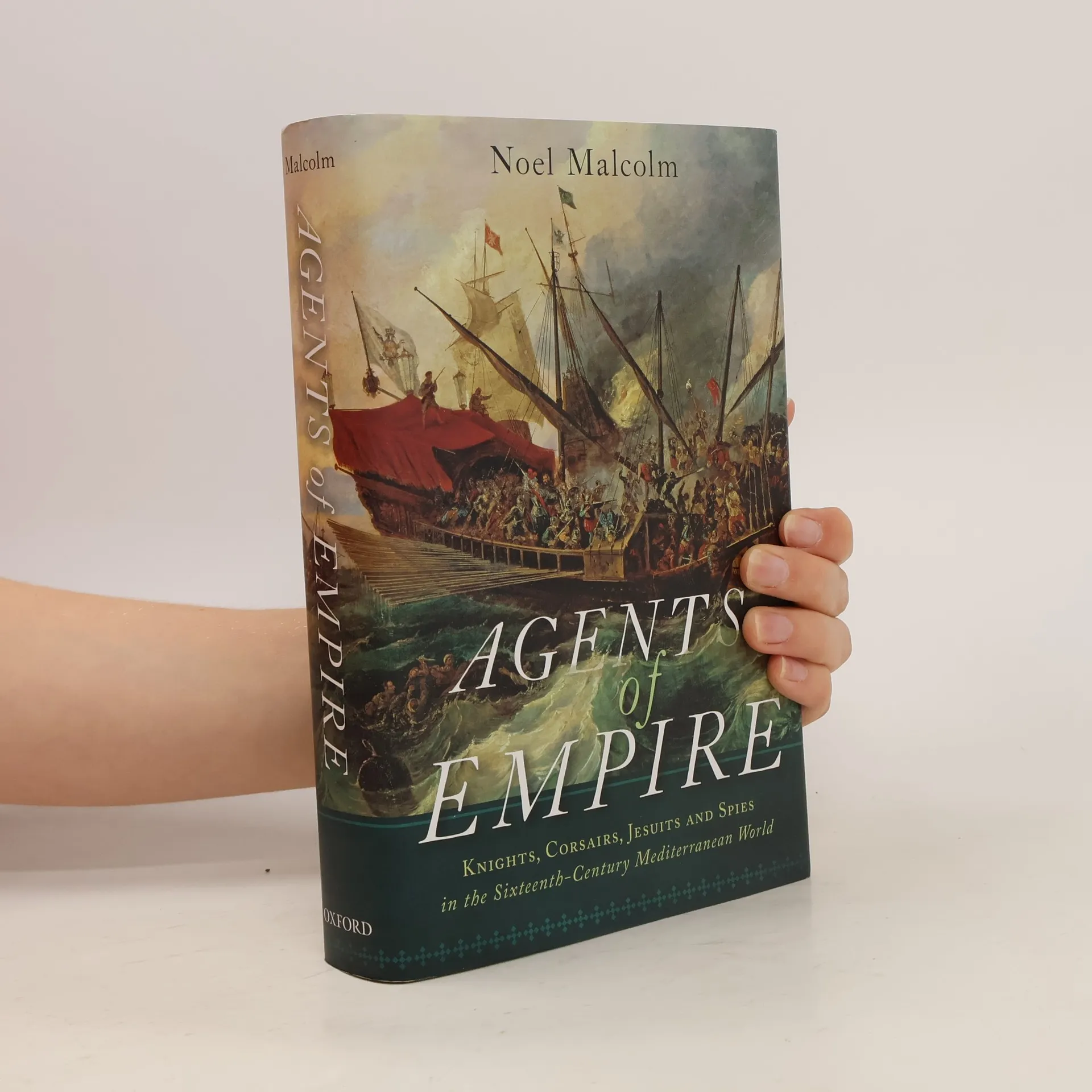
Agents of Empire
Knights, Corsairs, Jesuits and Spies in the Sixteenth-century Mediterranean World
Autorzy
Ocena książki
Parametry
- 604 strony
- 22 godziny czytania
Więcej o książce
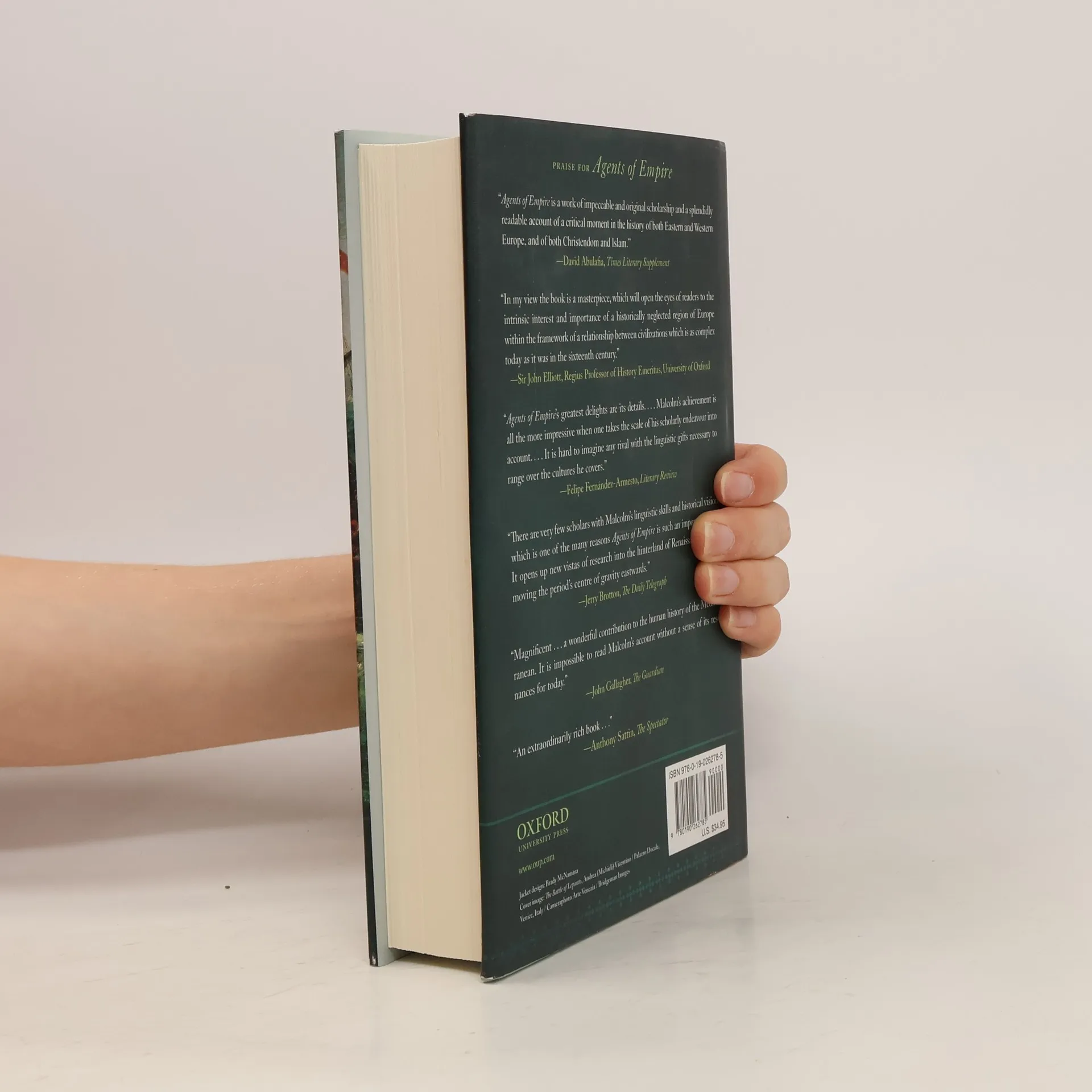
In the late sixteenth century, an influential Albanian named Antonio Bruni authored a significant document about his homeland. Historian Sir Noel Malcolm uses this document as a springboard to delve into the lives of the Bruni family, which included notable figures such as an archbishop of the Balkans, the captain of the papal flagship at the pivotal Battle of Lepanto in 1571, and a high-ranking interpreter in Istanbul, the former Constantinople. The fall of Constantinople to the Turks in 1453 dramatically reshaped the Mediterranean landscape. By Bruni's time, Albania, having been a Venetian province since 1405, was integrated into the Ottoman Empire. Yet, this era was also infused with the vibrancy of the Italian Renaissance. Through the collective biography of the Brunis, Malcolm offers an intimate portrayal of Albania as a crossroads of empires, cultures, and religions. Their multilingual and cosmopolitan lives illuminate the intricate relationships between the Ottoman and Christian worlds, marked by both conflict and interdependence. The result of extensive archival research, this work vividly depicts a dynamic period in European and Ottoman history, challenging conventional notions of their differences and highlighting the exchanges that transformed both East and West.
Zakup książki
Agents of Empire, Noel Malcolm
- Język

- Rok wydania
- 2015
- Oprawa
- (twarda)
Metody płatności
Brakuje nam tutaj Twojej recenzji.
- Tytuł
- Agents of Empire
- Podtytuł
- Knights, Corsairs, Jesuits and Spies in the Sixteenth-century Mediterranean World
- Język
- angielski
- Autorzy
- Noel Malcolm
- Wydawca
- Oxford University Press, USA
- Rok wydania
- 2015
- Oprawa
- twarda
- Liczba stron
- 604
- ISBN10
- 0190262788
- ISBN13
- 9780190262785
- Seria
- Kategorie
- Ocena
- 4,1 z 5
- Opis
- In the late sixteenth century, an influential Albanian named Antonio Bruni authored a significant document about his homeland. Historian Sir Noel Malcolm uses this document as a springboard to delve into the lives of the Bruni family, which included notable figures such as an archbishop of the Balkans, the captain of the papal flagship at the pivotal Battle of Lepanto in 1571, and a high-ranking interpreter in Istanbul, the former Constantinople. The fall of Constantinople to the Turks in 1453 dramatically reshaped the Mediterranean landscape. By Bruni's time, Albania, having been a Venetian province since 1405, was integrated into the Ottoman Empire. Yet, this era was also infused with the vibrancy of the Italian Renaissance. Through the collective biography of the Brunis, Malcolm offers an intimate portrayal of Albania as a crossroads of empires, cultures, and religions. Their multilingual and cosmopolitan lives illuminate the intricate relationships between the Ottoman and Christian worlds, marked by both conflict and interdependence. The result of extensive archival research, this work vividly depicts a dynamic period in European and Ottoman history, challenging conventional notions of their differences and highlighting the exchanges that transformed both East and West.