


Parametry
- 512 stron
- 18 godzin czytania
Więcej o książce
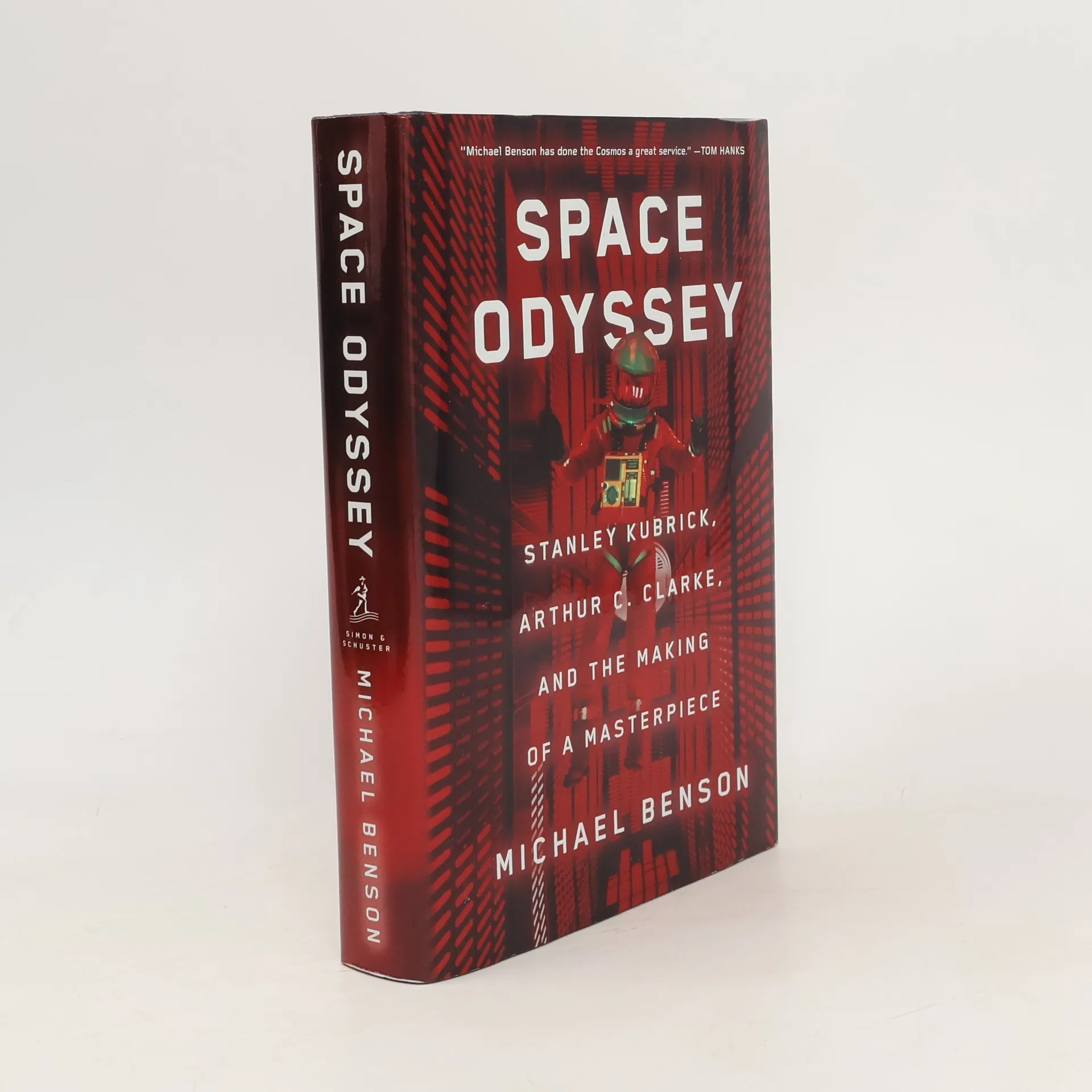
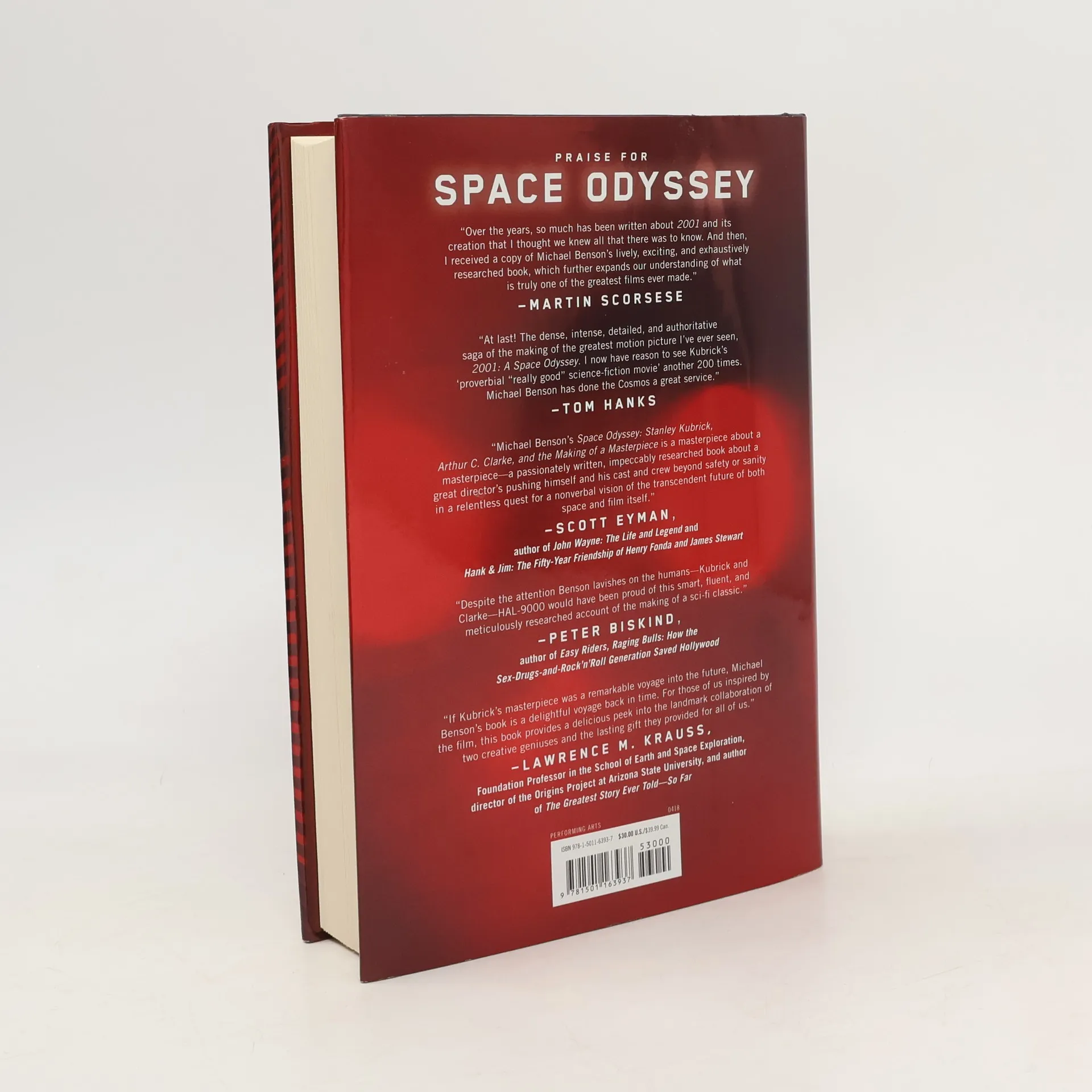
Celebrating the fiftieth anniversary of its release, this account details the making of a cinematic masterpiece, regarded as one of the greatest films ever made. Upon its 1968 debut, it received mixed reviews; while director Stanley Kubrick was not yet recognized as a great filmmaker, the film's radical innovation—characterized by minimal dialogue and no strong central character—set it apart. Critics deemed it incomprehensible, yet audiences flocked to theaters, leading to its commercial success and paving the way for big-budget science fiction films. Influential directors like George Lucas, Steven Spielberg, Ridley Scott, and James Cameron have acknowledged its impact. The author provides insights into the film's creation, focusing on Kubrick and science fiction writer Arthur C. Clarke. Interviews with Clarke, Kubrick's widow Christiane, visual effects supervisor Doug Trumbull, and actor Dan Richter, among others, enrich the narrative. This colorful nonfiction work captures memorable characters and incidents, chronicling the film's journey from Kubrick and Clarke's initial meeting in 1964 through its complex UK production from 1965 to 1968, where groundbreaking sets and visual effects were developed. A concluding chapter reflects on the film's legacy as it evolved into its exalted status.
Zakup książki
Space Odyssey, Michael Benson
- Język

- Rok wydania
- 2018
- Oprawa
- (twarda)
Metody płatności
Brakuje nam tutaj Twojej recenzji.
- Tytuł
- Space Odyssey
- Język
- angielski
- Autorzy
- Michael Benson
- Wydawca
- Simon & Schuster
- Rok wydania
- 2018
- Oprawa
- twarda
- Liczba stron
- 512
- ISBN10
- 1501163930
- ISBN13
- 9781501163937
- Seria
- Kategorie
- Ocena
- 4,4 z 5
- Opis
- Celebrating the fiftieth anniversary of its release, this account details the making of a cinematic masterpiece, regarded as one of the greatest films ever made. Upon its 1968 debut, it received mixed reviews; while director Stanley Kubrick was not yet recognized as a great filmmaker, the film's radical innovation—characterized by minimal dialogue and no strong central character—set it apart. Critics deemed it incomprehensible, yet audiences flocked to theaters, leading to its commercial success and paving the way for big-budget science fiction films. Influential directors like George Lucas, Steven Spielberg, Ridley Scott, and James Cameron have acknowledged its impact. The author provides insights into the film's creation, focusing on Kubrick and science fiction writer Arthur C. Clarke. Interviews with Clarke, Kubrick's widow Christiane, visual effects supervisor Doug Trumbull, and actor Dan Richter, among others, enrich the narrative. This colorful nonfiction work captures memorable characters and incidents, chronicling the film's journey from Kubrick and Clarke's initial meeting in 1964 through its complex UK production from 1965 to 1968, where groundbreaking sets and visual effects were developed. A concluding chapter reflects on the film's legacy as it evolved into its exalted status.