

Parametry
- 323 strony
- 12 godzin czytania
Więcej o książce
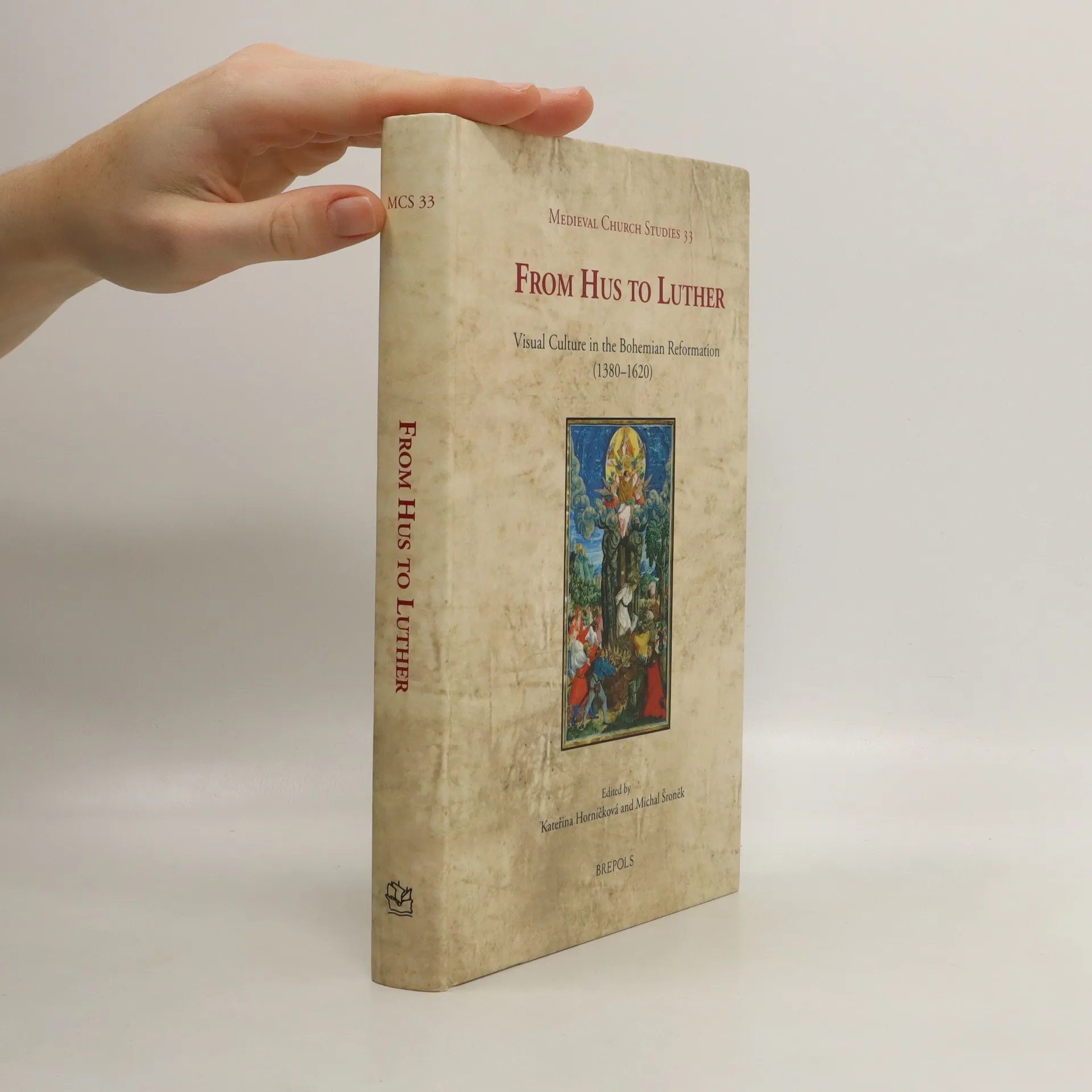
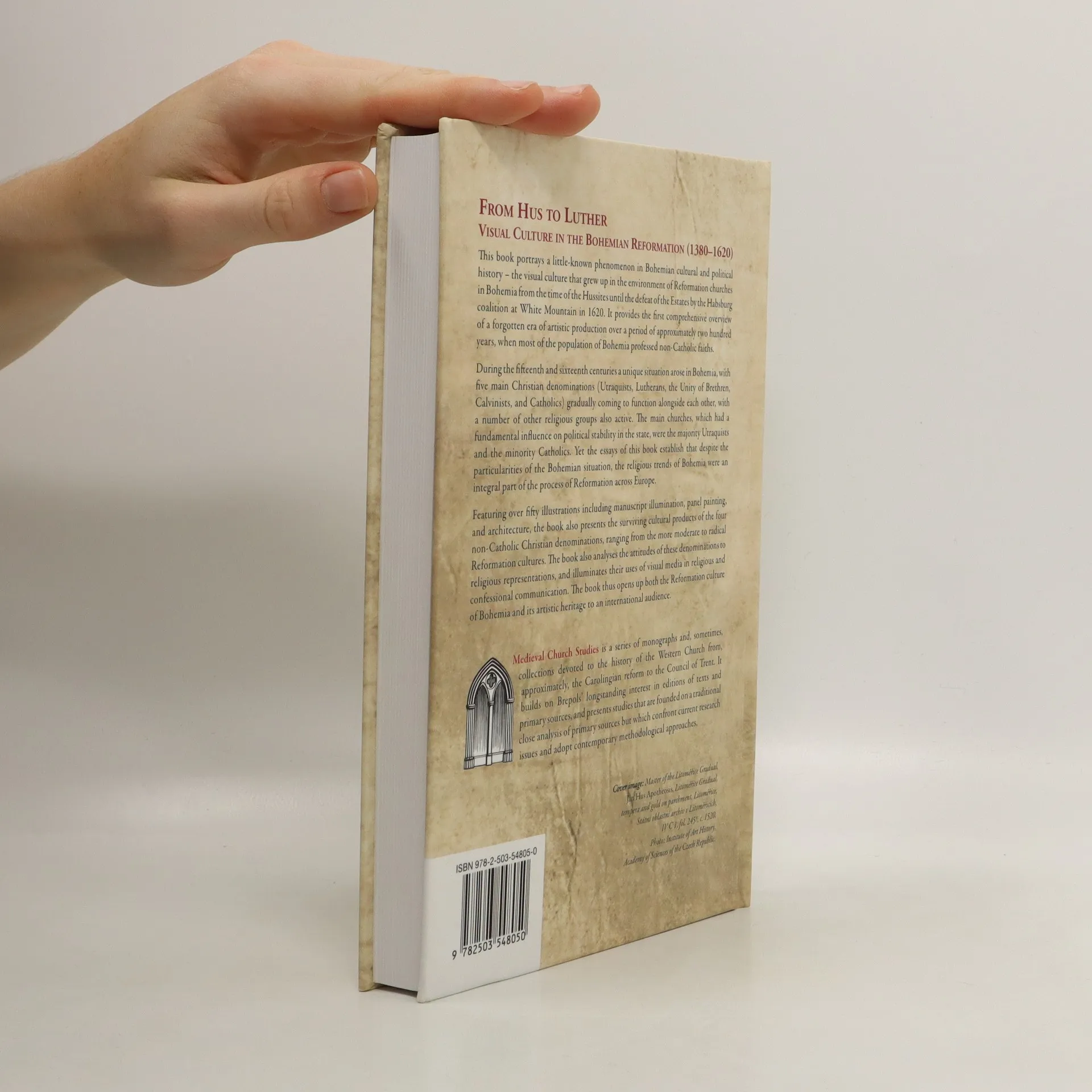
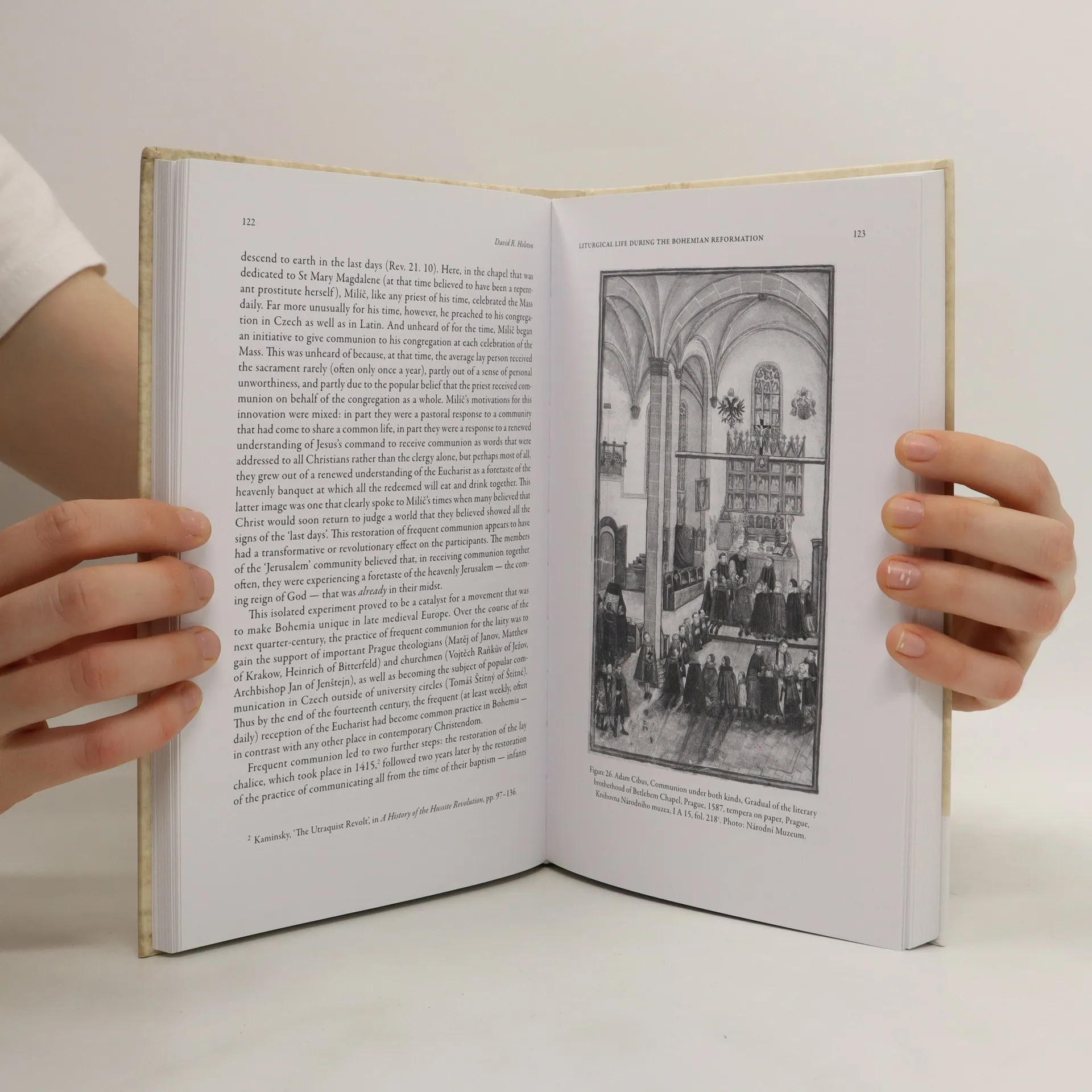
This book explores a lesser-known aspect of Bohemian cultural and political history: the visual culture that emerged in Reformation churches from the Hussite period until the Habsburg defeat of the Estates at White Mountain in 1620. It offers a comprehensive overview of two centuries of artistic production during which most of Bohemia's population adhered to non-Catholic faiths. In the fifteenth and sixteenth centuries, Bohemia experienced a unique coexistence of five main Christian denominations—Utraquists, Lutherans, the Unity of Brethren, Calvinists, and Catholics—alongside various other religious groups. The Utraquists and Catholics, as the dominant and minority churches respectively, significantly influenced the political landscape. The essays highlight that, despite Bohemia's unique circumstances, its religious developments were part of the broader European Reformation movement. Featuring over fifty illustrations, including manuscript illumination, panel painting, and architecture, the book showcases the cultural outputs of the four non-Catholic denominations, ranging from moderate to radical Reformation expressions. It also examines these denominations' attitudes toward religious imagery and their use of visual media for religious and confessional communication.
Zakup książki
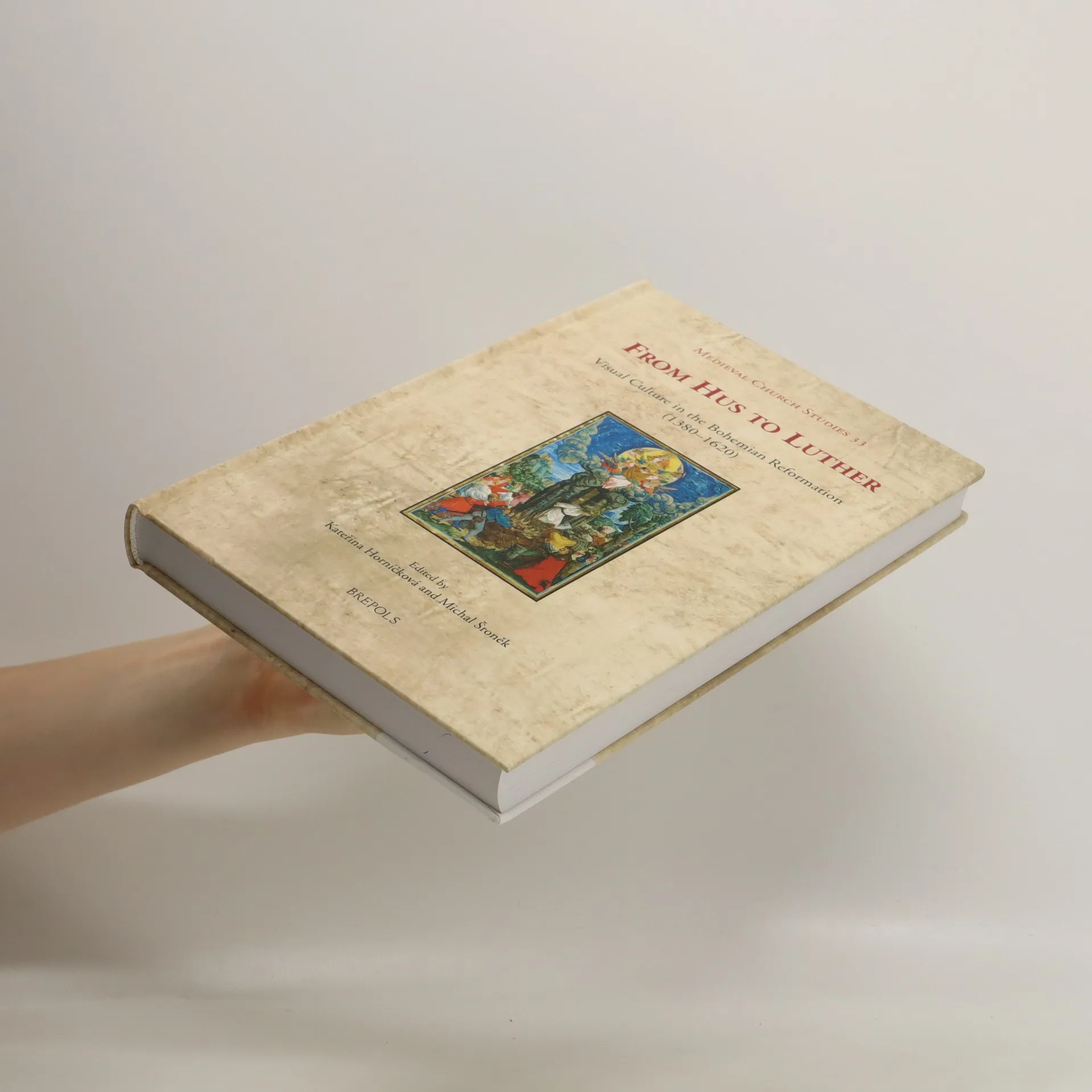
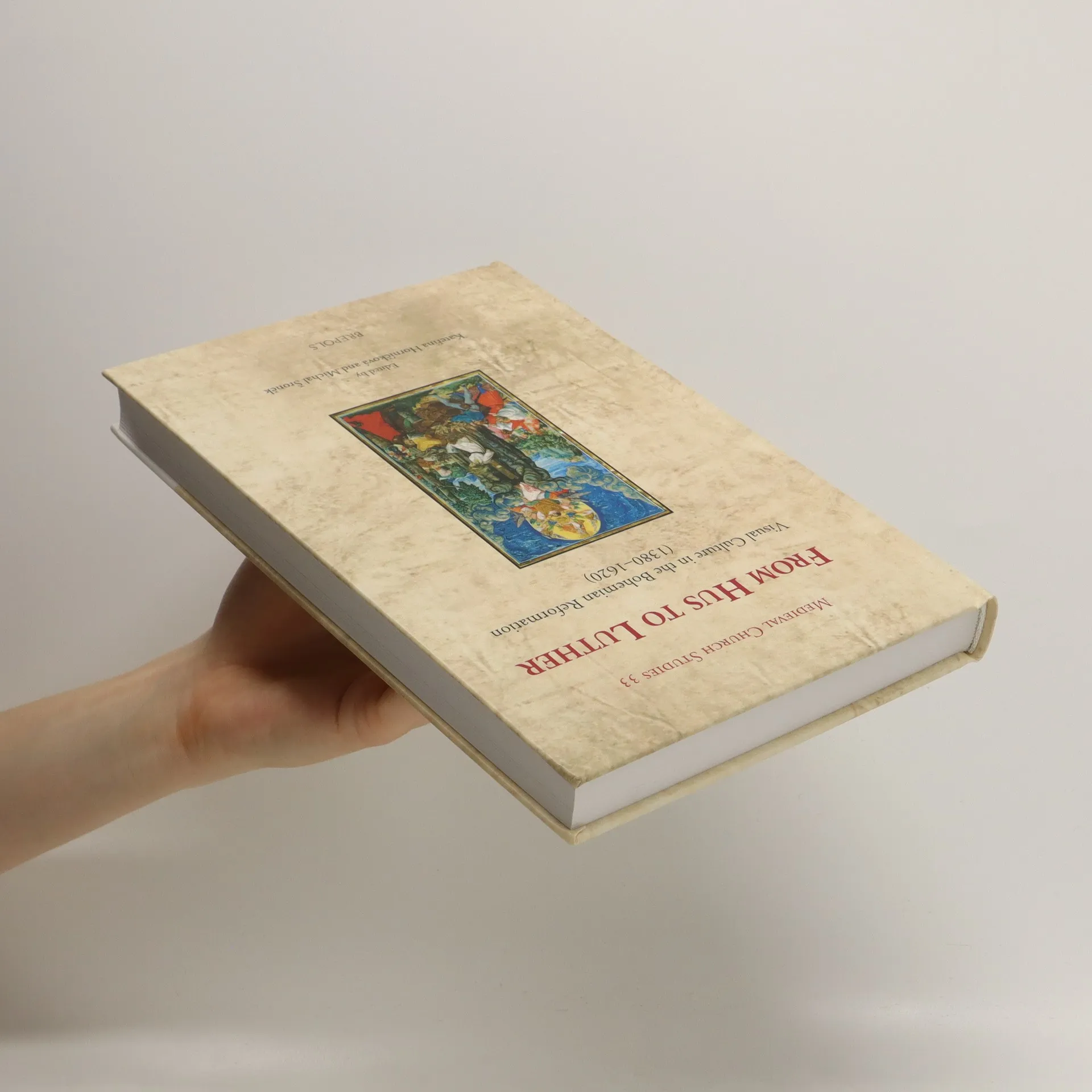
From Hus to Luther : visual culture in the Bohemian reformation (1380-1620), Kateřina Horníčková, Michal Šroněk
- Język

- Rok wydania
- 2016
- Oprawa
- (twarda)
Metody płatności
Nikt jeszcze nie ocenił.
- Tytuł
- From Hus to Luther : visual culture in the Bohemian reformation (1380-1620)
- Język
- angielski
- Autorzy
- Kateřina Horníčková, Michal Šroněk
- Wydawca
- Brepols
- Rok wydania
- 2016
- Oprawa
- twarda
- Liczba stron
- 323
- ISBN10
- 2503548059
- ISBN13
- 9782503548050
- Seria
- Kolekcja
- Medieval church studies
- Opis
- This book explores a lesser-known aspect of Bohemian cultural and political history: the visual culture that emerged in Reformation churches from the Hussite period until the Habsburg defeat of the Estates at White Mountain in 1620. It offers a comprehensive overview of two centuries of artistic production during which most of Bohemia's population adhered to non-Catholic faiths. In the fifteenth and sixteenth centuries, Bohemia experienced a unique coexistence of five main Christian denominations—Utraquists, Lutherans, the Unity of Brethren, Calvinists, and Catholics—alongside various other religious groups. The Utraquists and Catholics, as the dominant and minority churches respectively, significantly influenced the political landscape. The essays highlight that, despite Bohemia's unique circumstances, its religious developments were part of the broader European Reformation movement. Featuring over fifty illustrations, including manuscript illumination, panel painting, and architecture, the book showcases the cultural outputs of the four non-Catholic denominations, ranging from moderate to radical Reformation expressions. It also examines these denominations' attitudes toward religious imagery and their use of visual media for religious and confessional communication.