



Więcej o książce
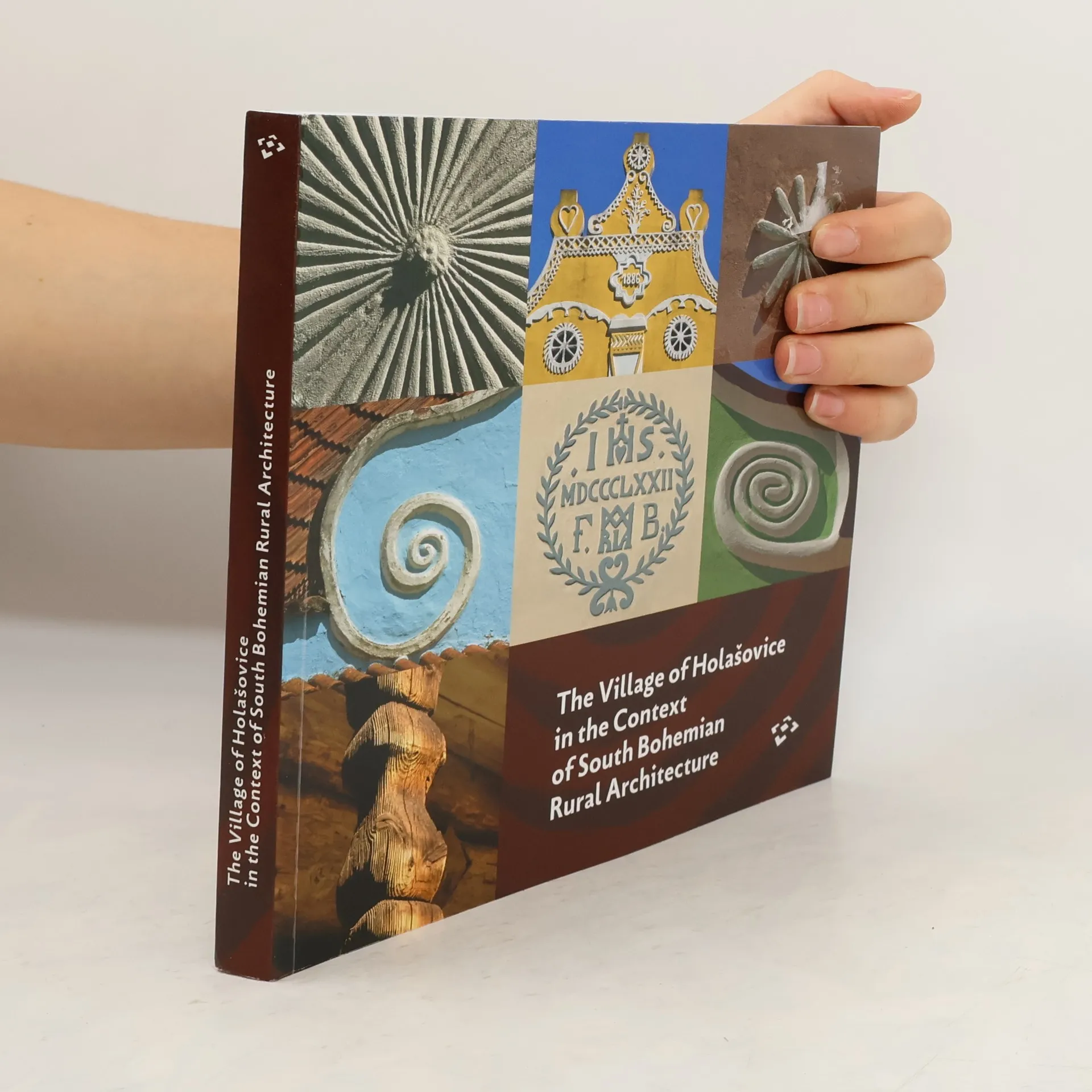
The Bohemian south exemplifies a rural environment that harmonizes historic spatial patterns with natural landscapes, distinguishing it from other Czech regions. This is evident in the preservation of seventy-one village conservation areas and the UNESCO designation of Holašovice as a World Cultural and Natural Heritage site since December 5, 1998. The exhibition catalogue, published for the 20th anniversary of this recognition, explores the intricate nature of South Bohemian rural architecture and highlights various regions through their characteristic preserved buildings. Contents include discussions on the Land of Rural Farmsteads, the rural cultural landscape, and the spatial pattern of South Bohemian villages. The historic village of Holašovice is examined alongside the architectural styles specific to regions such as the Foothills of the Blanský Forest, the Soběslav-Veselí Blata Region, and the Ševětín Region. Additional sections cover the Zbudov-Hluboká Blata Region, Southern and Central Písek Regions, and notable works by Jakub Bursa in Vlachovo Březí and Volyně. The catalogue also delves into the Strakonice Region, the Třeboň and Weitra Regions, and the Jindřichův Hradec and Nová Bystřice Regions. Other topics include timber architecture in the Northern Písek and Tábor Regions, as well as pre-industrial buildings, concluding with a comprehensive literature section.
Zakup książki
The Village of Holašovice in the Context of South Bohemian Rural Architecture, Kolář
- Język

- Rok wydania
- 2019
- Oprawa
- (miękka)
Metody płatności
Nikt jeszcze nie ocenił.
- Tytuł
- The Village of Holašovice in the Context of South Bohemian Rural Architecture
- Język
- angielski
- Autorzy
- Kolář
- Wydawca
- Národní památkový ústav
- Rok wydania
- 2019
- Oprawa
- miękka
- Liczba stron
- 299
- ISBN10
- 8085033844
- ISBN13
- 9788085033847
- Seria
- Kategorie
- Opis
- The Bohemian south exemplifies a rural environment that harmonizes historic spatial patterns with natural landscapes, distinguishing it from other Czech regions. This is evident in the preservation of seventy-one village conservation areas and the UNESCO designation of Holašovice as a World Cultural and Natural Heritage site since December 5, 1998. The exhibition catalogue, published for the 20th anniversary of this recognition, explores the intricate nature of South Bohemian rural architecture and highlights various regions through their characteristic preserved buildings. Contents include discussions on the Land of Rural Farmsteads, the rural cultural landscape, and the spatial pattern of South Bohemian villages. The historic village of Holašovice is examined alongside the architectural styles specific to regions such as the Foothills of the Blanský Forest, the Soběslav-Veselí Blata Region, and the Ševětín Region. Additional sections cover the Zbudov-Hluboká Blata Region, Southern and Central Písek Regions, and notable works by Jakub Bursa in Vlachovo Březí and Volyně. The catalogue also delves into the Strakonice Region, the Třeboň and Weitra Regions, and the Jindřichův Hradec and Nová Bystřice Regions. Other topics include timber architecture in the Northern Písek and Tábor Regions, as well as pre-industrial buildings, concluding with a comprehensive literature section.