

Parametry
Więcej o książce
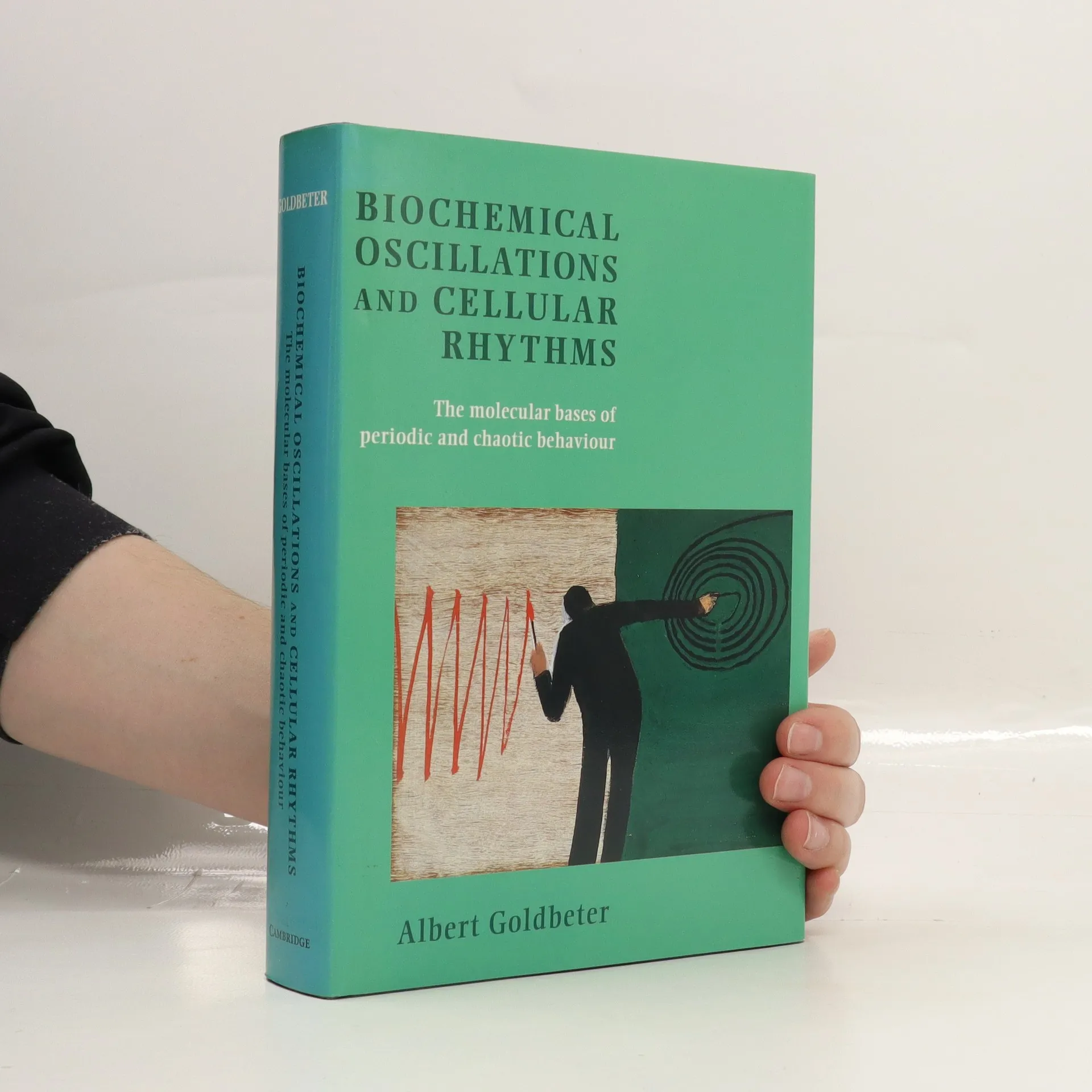
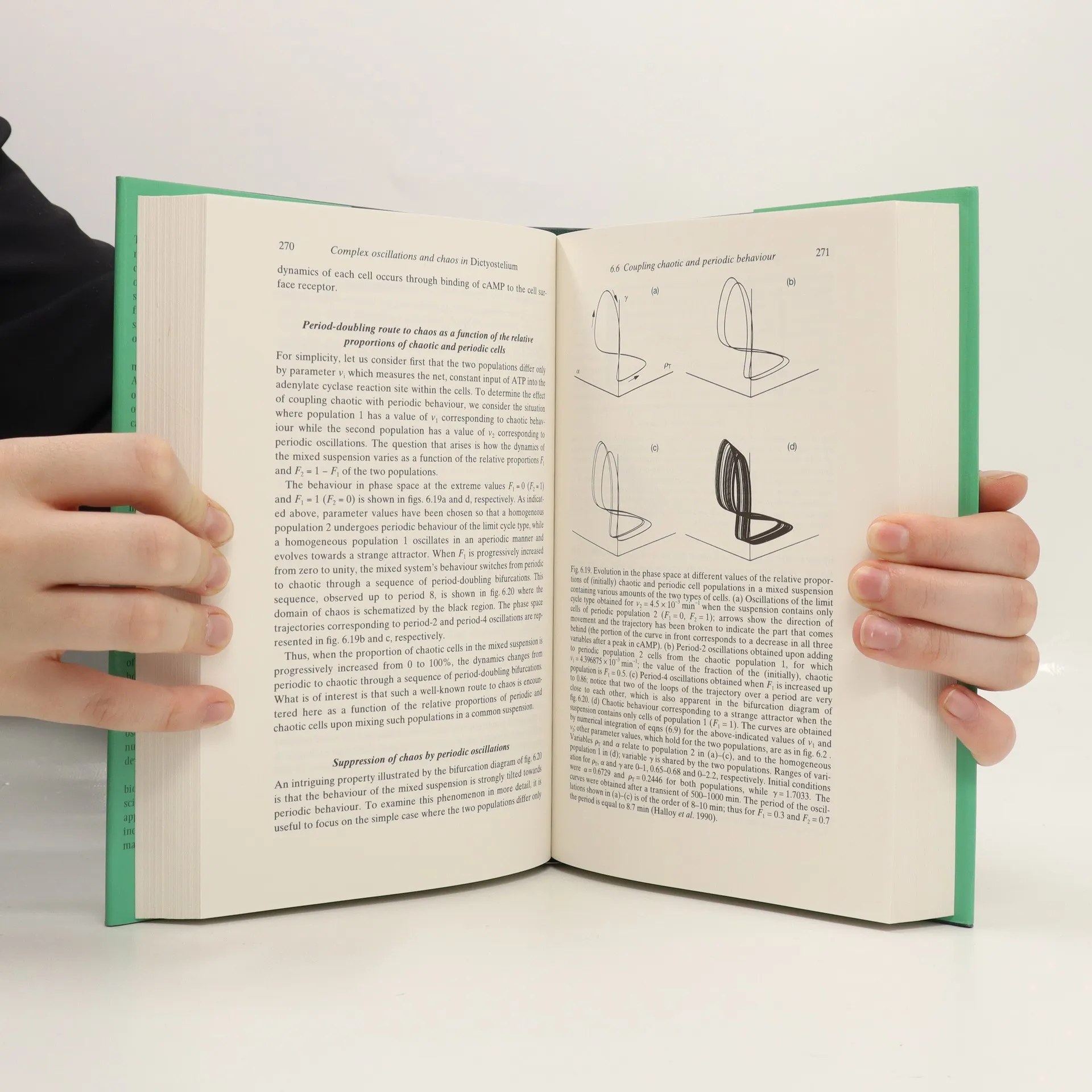
This book addresses the molecular bases of some of the most important biochemical rhythms known at the cellular level. The approach rests on the analysis of theoretical models closely related to experimental observations. Among the main rhythms considered are glycolytic oscillations observed in yeast and muscle, oscillations of cyclic AMP in Dictyostelium amoebae, intracellular calcium oscillation observed in a variety of cell types, the mitotic oscillator that drives the cell division cycle in eukaryotes, pulsatile hormone signaling, and circadian rhythms in Drosophila. This book will be of interest to life scientists such as biochemists, cell biologists, chronobiologists, medical scientists and pharmacologists. In addition, it will appeal to scientists studying nonlinear phenomena, including oscillations and chaos, in chemistry, physics, mathematics and theoretical biology.
Zakup książki
Biochemical oscillations and cellular rhythms, Albert Goldbeter
- Język

- Rok wydania
- 1996
- Oprawa
- (twarda)
Metody płatności
Nikt jeszcze nie ocenił.
- Tytuł
- Biochemical oscillations and cellular rhythms
- Język
- angielski
- Autorzy
- Albert Goldbeter
- Wydawca
- Cambridge University Press
- Rok wydania
- 1996
- Oprawa
- twarda
- ISBN10
- 0521403073
- ISBN13
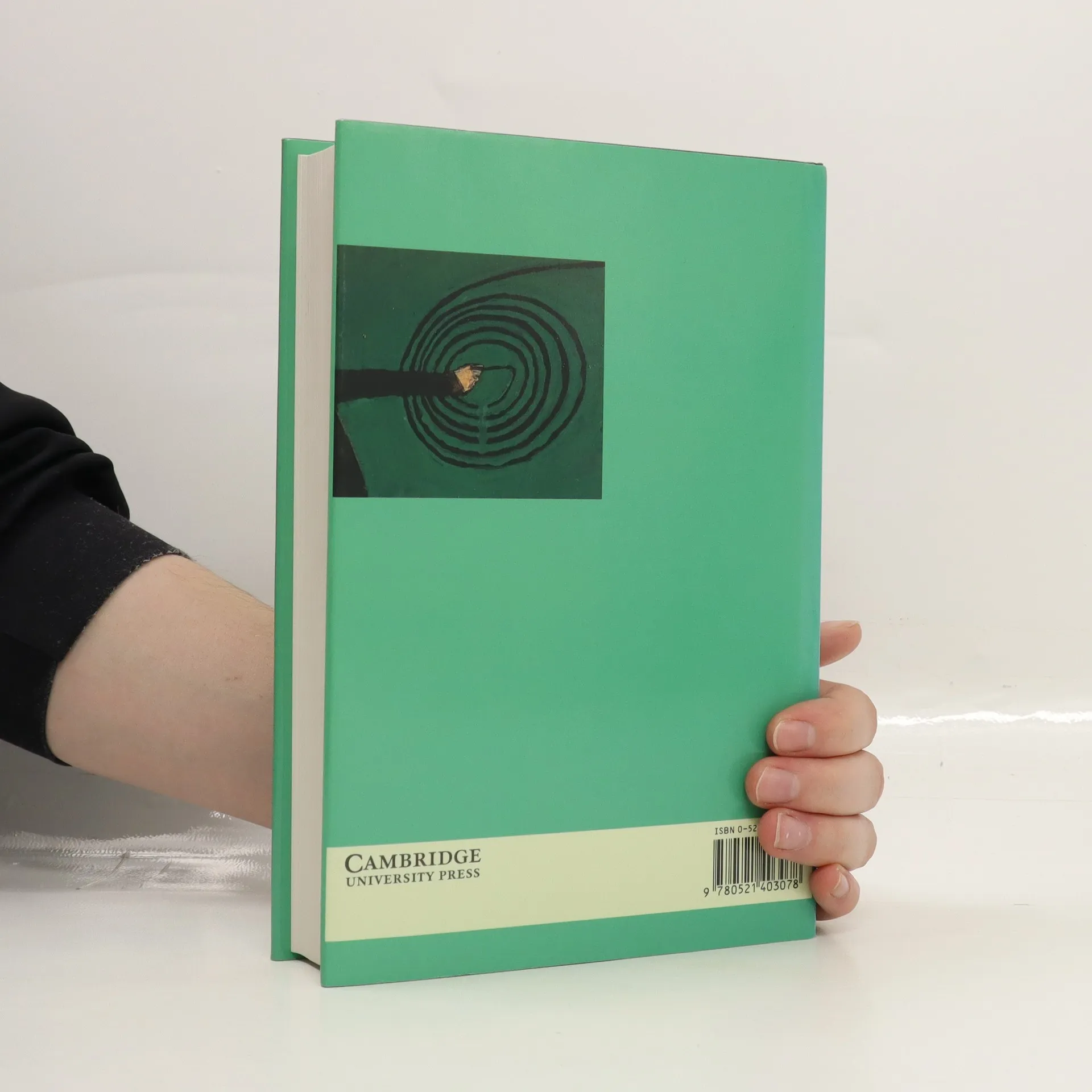
- 9780521403078
- Seria
- Opis
- This book addresses the molecular bases of some of the most important biochemical rhythms known at the cellular level. The approach rests on the analysis of theoretical models closely related to experimental observations. Among the main rhythms considered are glycolytic oscillations observed in yeast and muscle, oscillations of cyclic AMP in Dictyostelium amoebae, intracellular calcium oscillation observed in a variety of cell types, the mitotic oscillator that drives the cell division cycle in eukaryotes, pulsatile hormone signaling, and circadian rhythms in Drosophila. This book will be of interest to life scientists such as biochemists, cell biologists, chronobiologists, medical scientists and pharmacologists. In addition, it will appeal to scientists studying nonlinear phenomena, including oscillations and chaos, in chemistry, physics, mathematics and theoretical biology.