

Więcej o książce
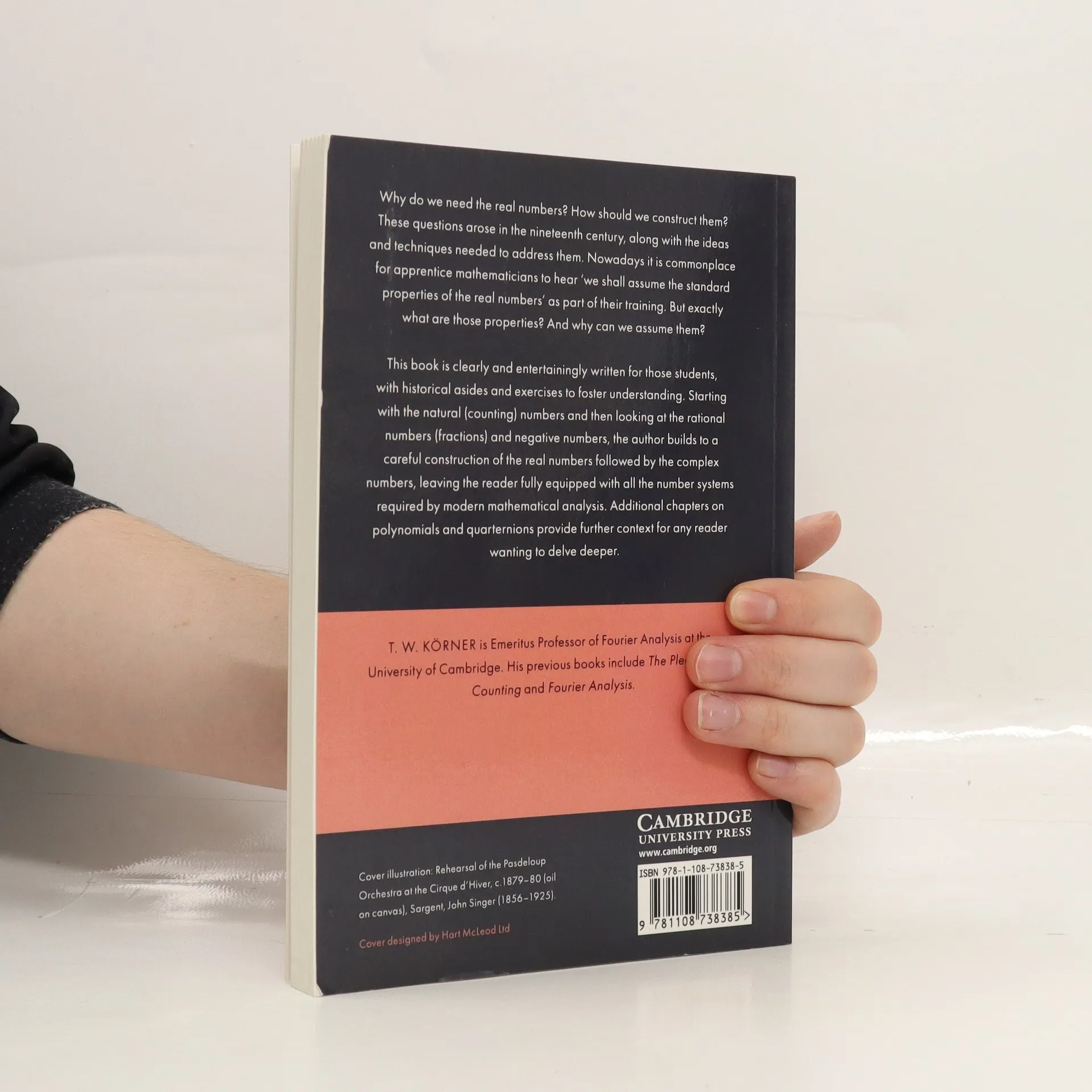
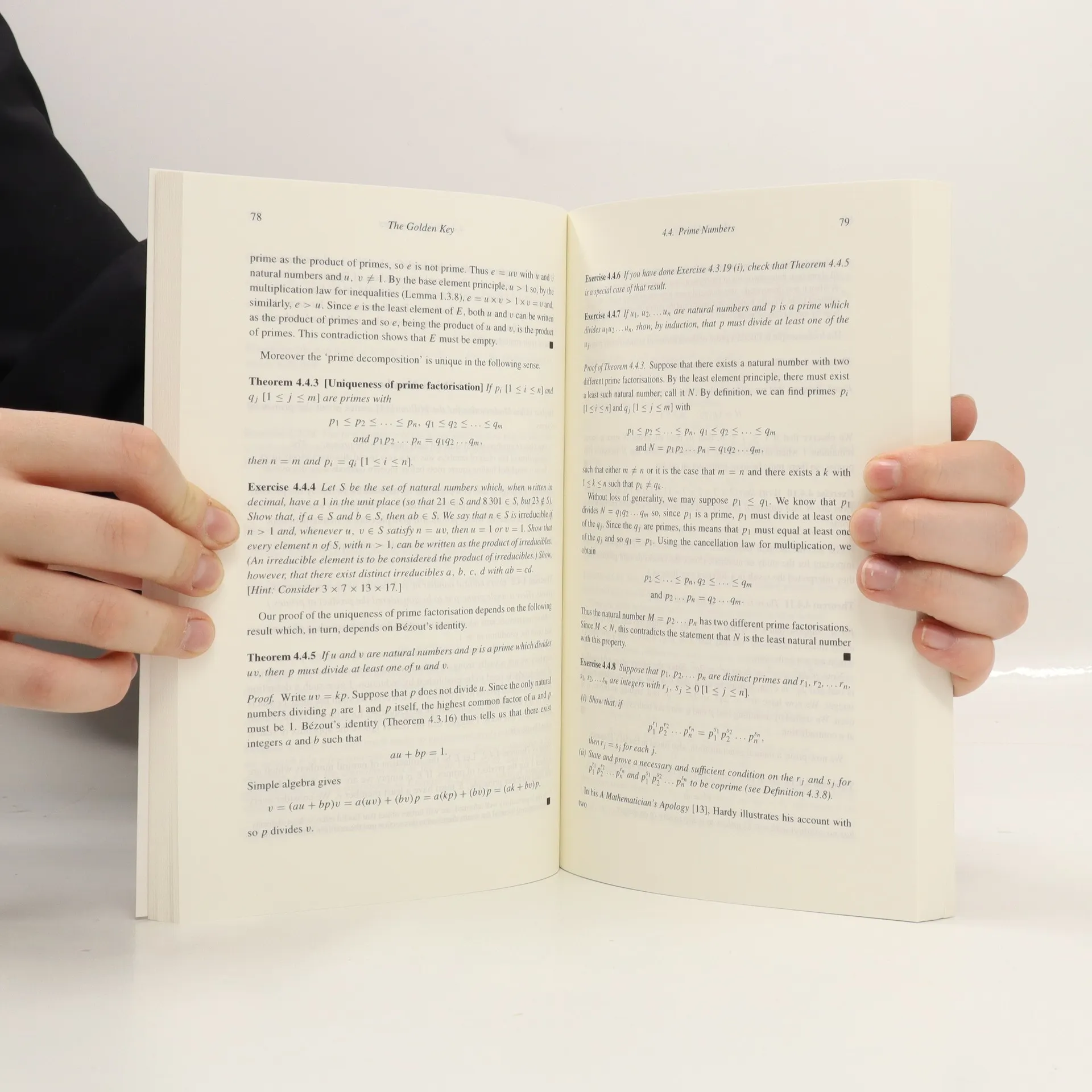
Why do we need the real numbers? How should we construct them? These questions arose in the nineteenth century, along with the ideas and techniques needed to address them. Nowadays it is commonplace for apprentice mathematicians to hear 'we shall assume the standard properties of the real numbers' as part of their training. But exactly what are those properties? And why can we assume them? This book is clearly and entertainingly written for those students, with historical asides and exercises to foster understanding. Starting with the natural (counting) numbers and then looking at the rational numbers (fractions) and negative numbers, the author builds to a careful construction of the real numbers followed by the complex numbers, leaving the reader fully equipped with all the number systems required by modern mathematical analysis. Additional chapters on polynomials and quarternions provide further context for any reader wanting to delve deeper.
Zakup książki
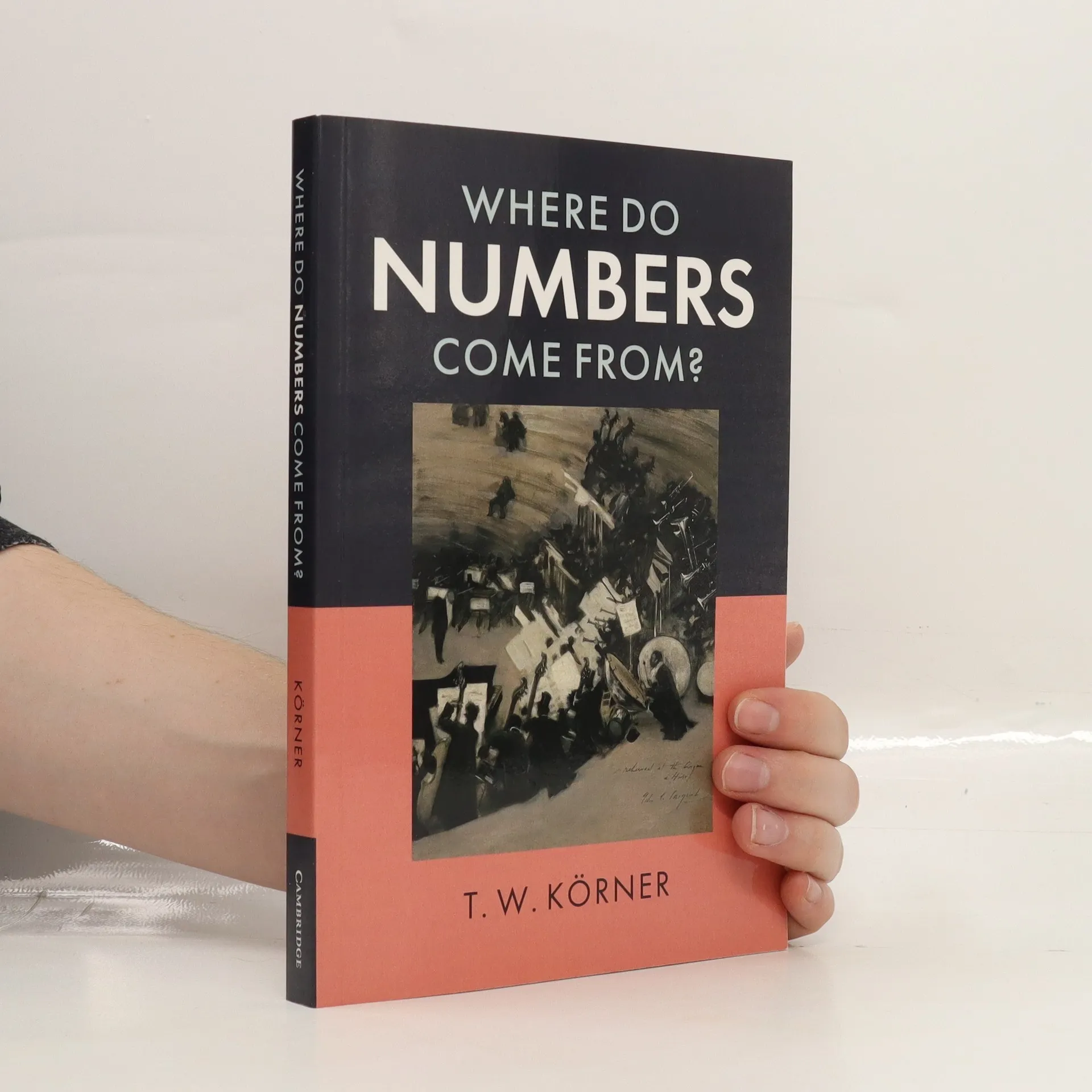
Where do numbers come from?, Thomas William Körner
- Język

- Rok wydania
- 2020
- Oprawa
- (miękka)
Metody płatności
Nikt jeszcze nie ocenił.
- Tytuł
- Where do numbers come from?
- Język
- angielski
- Autorzy
- Thomas William Körner
- Wydawca
- Cambridge University Press
- Rok wydania
- 2020
- Oprawa
- miękka
- Liczba stron
- 268
- ISBN10
- 1108738389
- ISBN13
- 9781108738385
- Seria
- Tagi
- Opis
- Why do we need the real numbers? How should we construct them? These questions arose in the nineteenth century, along with the ideas and techniques needed to address them. Nowadays it is commonplace for apprentice mathematicians to hear 'we shall assume the standard properties of the real numbers' as part of their training. But exactly what are those properties? And why can we assume them? This book is clearly and entertainingly written for those students, with historical asides and exercises to foster understanding. Starting with the natural (counting) numbers and then looking at the rational numbers (fractions) and negative numbers, the author builds to a careful construction of the real numbers followed by the complex numbers, leaving the reader fully equipped with all the number systems required by modern mathematical analysis. Additional chapters on polynomials and quarternions provide further context for any reader wanting to delve deeper.