


Ocena książki
Parametry
- 224 strony
- 8 godzin czytania
Więcej o książce
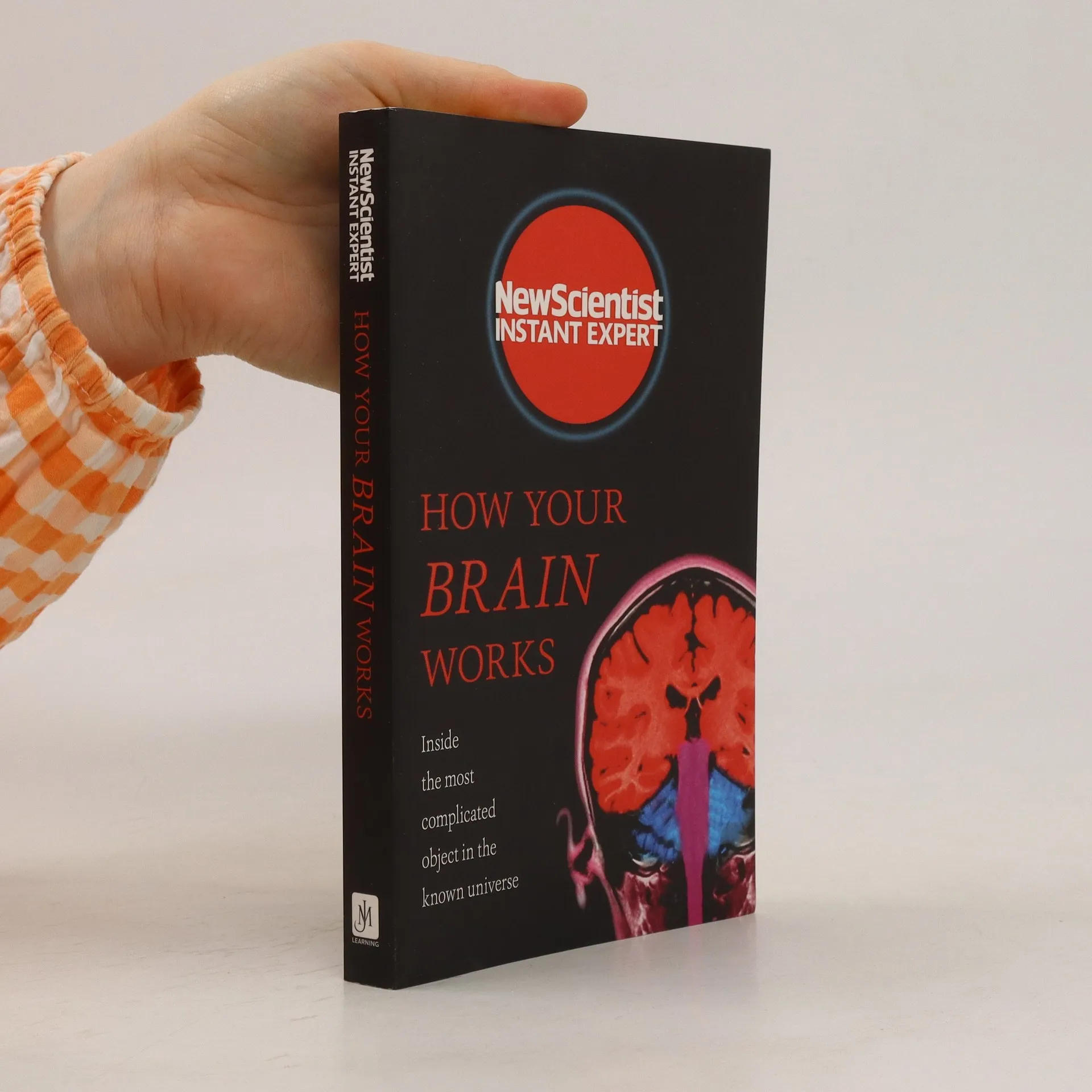
The brain has long been a source of fascination. In 1819, the radical thinker and surgeon William Lawrence put it like this: "It is strongly suspected that a Newton or Shakespeare excels other mortals only... by having an extra inch of brain in the right place." Today, many such suspicions are certainties. We understand the structures of the brain, minor and major, and their roles in making us who we are. We can record electrical signals from individual brain cells or networks of them. Imaging technology lets us see both snapshots of the brain and also videos of it in action. We can follow connections within the brain and watch them reform after an injury. In How Your Brain Works leading neuroscientists and New Scientist introduce the evolution and anatomy of the brain viewed through traits such as: memory, emotions, sleep, sensing and perception. Techniques for controlling the brain using electric and magnetic fields, as well as the latest technologies that allow you to control the outside world using your mind alone are also investigated.
Zakup książki
How your brain works : inside the most complicated object in the known universe, kolektiv
- Język

- Rok wydania
- 2017
- Oprawa
- (miękka)
Metody płatności
Brakuje nam tutaj Twojej recenzji.
- Tytuł
- How your brain works : inside the most complicated object in the known universe
- Język
- angielski
- Autorzy
- kolektiv
- Wydawca
- John Murray Learning
- Rok wydania
- 2017
- Oprawa
- miękka
- Liczba stron
- 224
- ISBN10
- 147362956x
- ISBN13
- 9781473629561
- Seria
- Kolekcja
- New Scientist instant expert
- Ocena
- 4,1 z 5
- Opis
- The brain has long been a source of fascination. In 1819, the radical thinker and surgeon William Lawrence put it like this: "It is strongly suspected that a Newton or Shakespeare excels other mortals only... by having an extra inch of brain in the right place." Today, many such suspicions are certainties. We understand the structures of the brain, minor and major, and their roles in making us who we are. We can record electrical signals from individual brain cells or networks of them. Imaging technology lets us see both snapshots of the brain and also videos of it in action. We can follow connections within the brain and watch them reform after an injury. In How Your Brain Works leading neuroscientists and New Scientist introduce the evolution and anatomy of the brain viewed through traits such as: memory, emotions, sleep, sensing and perception. Techniques for controlling the brain using electric and magnetic fields, as well as the latest technologies that allow you to control the outside world using your mind alone are also investigated.