

Więcej o książce
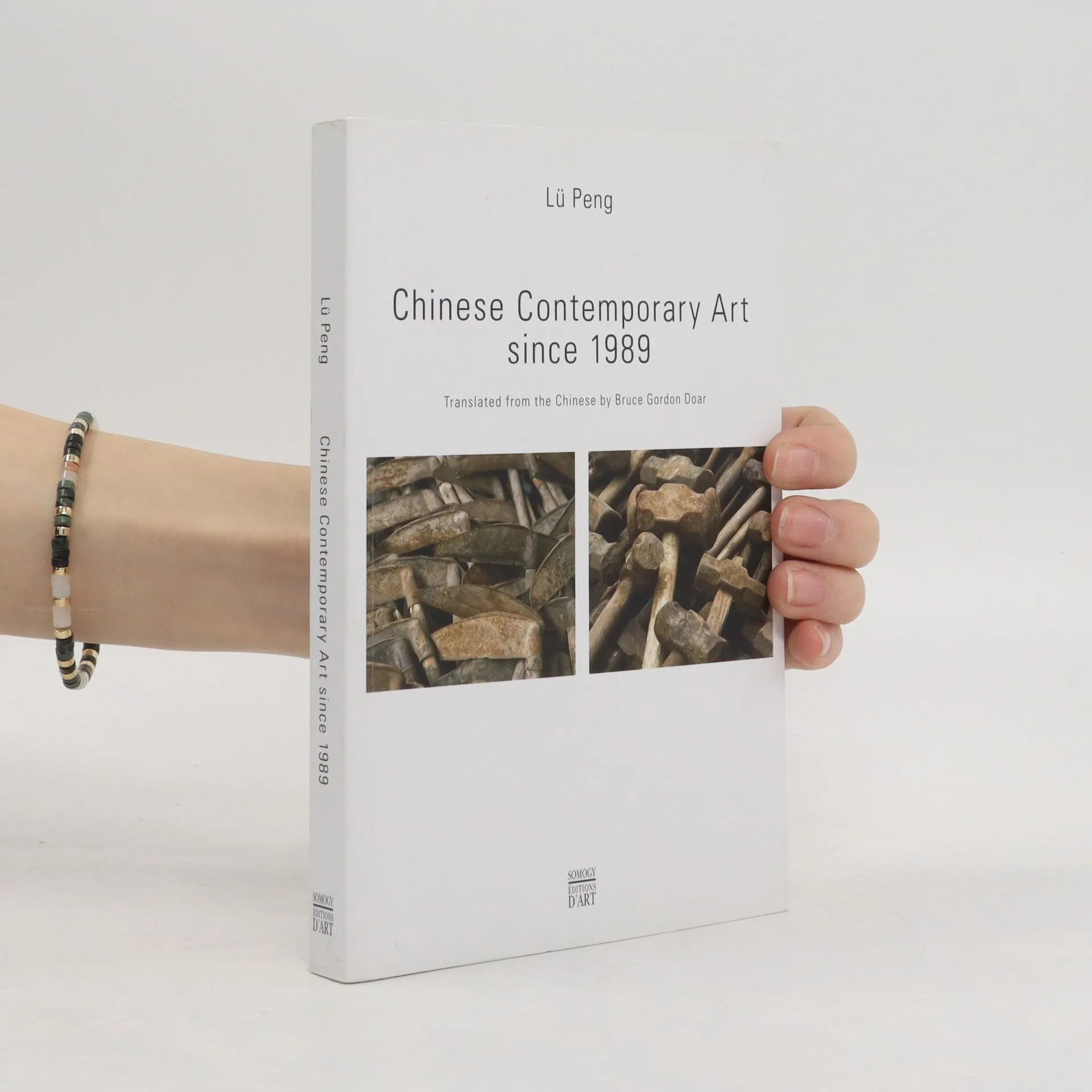
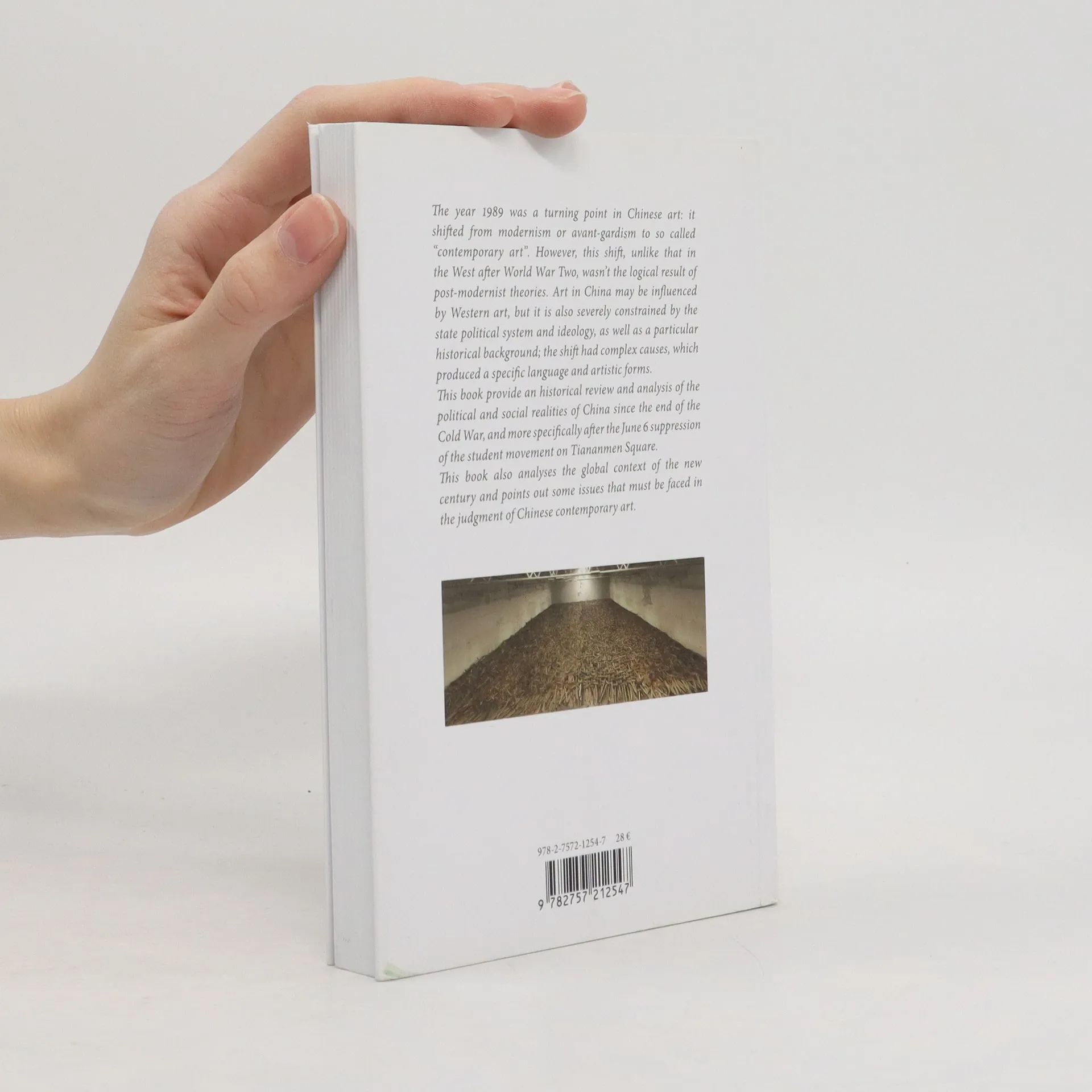
The year 1989 was a turning point in Chinese art, as it shifted from modernism or avant-garde to so called "contemporary art." However, this shift, unlike that in the West after World War II, wasn't the logical result of post-modernist theories. Art in China may be influenced by Western art, but it is also severely constrained by the state political system and ideology, as well as a particular historical background. The shift had complex causes, which produced a specific language and artistic forms. This book provides a historical review and analysis of the political and social realities of China since the end of the Cold War, and more specifically after the June 6th suppression of the student movement on Tiananmen Square. This book also analyzes the global context of the new century and points out some issues that must be faced in the judgment of Chinese contemporary art.
Zakup książki
Contemporary Chinese Art since 1989, Peng Lü
- Język

- Rok wydania
- 2018
- Oprawa
- (miękka)
Metody płatności
Brakuje nam tutaj Twojej recenzji.
- Tytuł
- Contemporary Chinese Art since 1989
- Język
- angielski
- Autorzy
- Peng Lü
- Wydawca
- Somogy editions d'art
- Rok wydania
- 2018
- Oprawa
- miękka
- Liczba stron
- 160
- ISBN10
- 2757212540
- ISBN13
- 9782757212547
- Seria
- Ocena
- 3 z 5
- Opis
- The year 1989 was a turning point in Chinese art, as it shifted from modernism or avant-garde to so called "contemporary art." However, this shift, unlike that in the West after World War II, wasn't the logical result of post-modernist theories. Art in China may be influenced by Western art, but it is also severely constrained by the state political system and ideology, as well as a particular historical background. The shift had complex causes, which produced a specific language and artistic forms. This book provides a historical review and analysis of the political and social realities of China since the end of the Cold War, and more specifically after the June 6th suppression of the student movement on Tiananmen Square. This book also analyzes the global context of the new century and points out some issues that must be faced in the judgment of Chinese contemporary art.