

Parametry
- 200 stron
- 7 godzin czytania
Więcej o książce
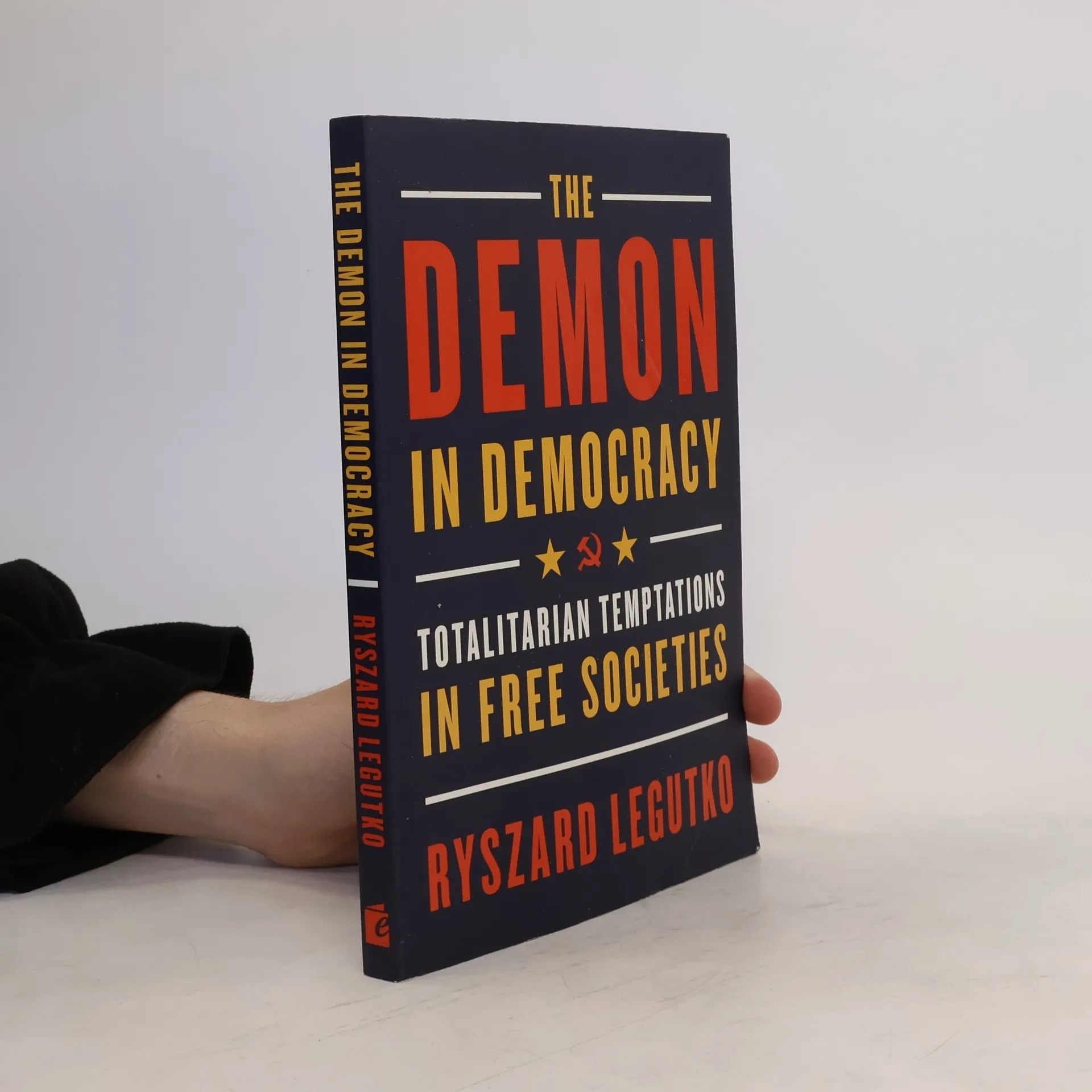
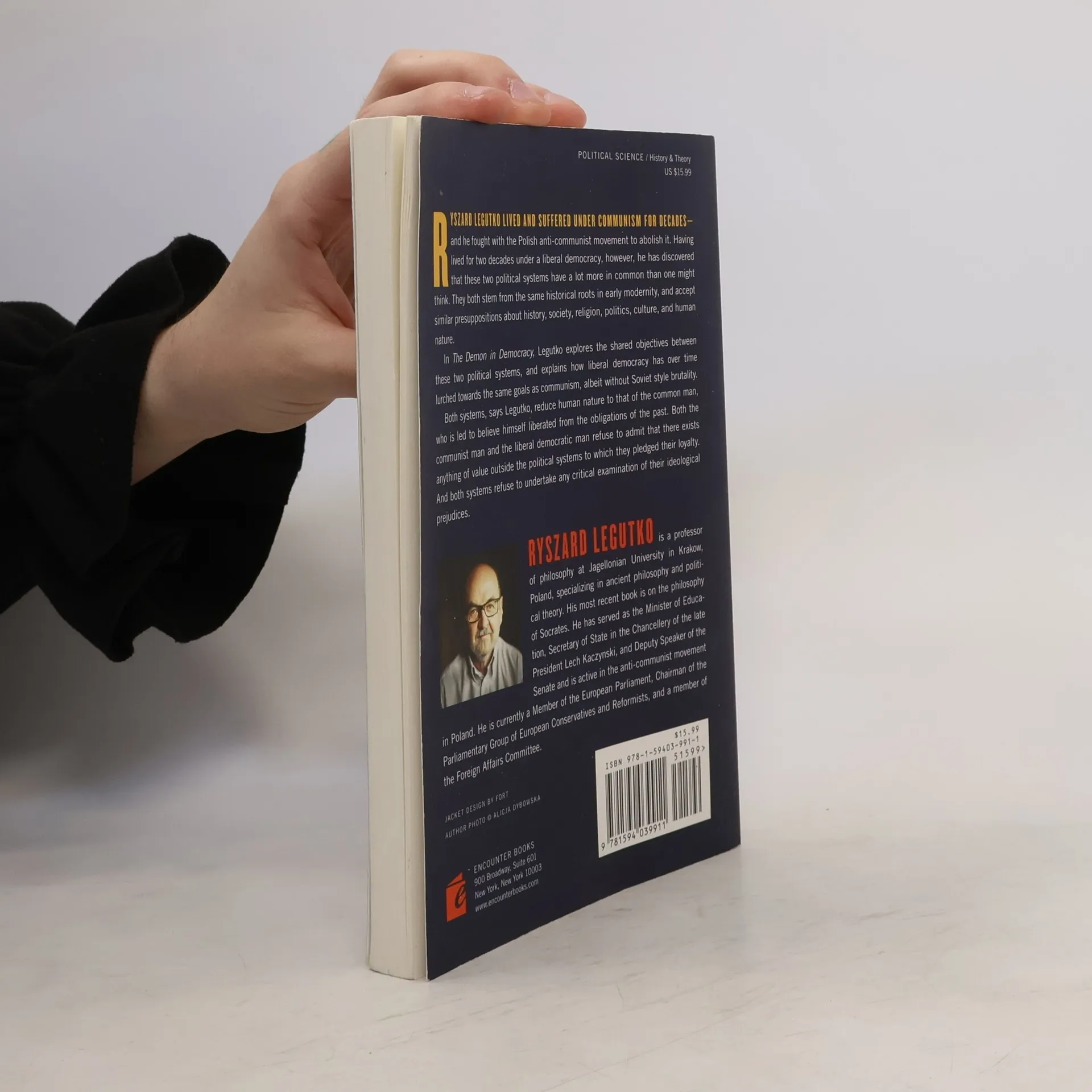
"The book is written from a perspective of someone who, after having lived for many years under communism and then for more than two decades under a liberal democracy, has discovered that those two political systems have a lot in common, stem from the same historical roots in early modernity, and accept similar presuppositions about history, society, religion, politics, culture and human nature. Moreover both political systems have some similar objectives. What communism tried to achieve with the use of the most brutal measures on a massive scale has been to a considerable degree achieved in a liberal democracy through a more or less spontaneous development and more or less humane social engineering, an almost total identification of man with a political regime, politicization of culture and social relations, omnipresence of ideology, and a peculiar combination of a utopian impulse with the insistence of human mediocrity. Both systems reduce human nature to that of the common man who is led to believe himself liberated from unnecessary obligations of the past, unaware that he shackled himself with other chains which dramatically narrowed his perspective. Both the communist man and the liberal democratic man refuse to admit that there exists anything of value outside the political systems to which they pledged their loyalty and both refuse to undertake any critical examination of their ideological prejudices"--Publisher.
Zakup książki
Demon in Democracy, Ryszard Legutko
- Język

- Rok wydania
- 2018
- Oprawa
- (miękka)
Metody płatności
Brakuje nam tutaj Twojej recenzji.
- Tytuł
- Demon in Democracy
- Język
- angielski
- Autorzy
- Ryszard Legutko
- Wydawca
- Encounter Books
- Rok wydania
- 2018
- Oprawa
- miękka
- Liczba stron
- 200
- ISBN10
- 1594039917
- ISBN13
- 9781594039911
- Seria
- Kategorie
- Tagi
- Tematy historyczne, Biznes, Tematyka filozoficzna, Polityka, Prezenty dla dziadka, Kultura & Społeczeństwo
- Ocena
- 3,85 z 5
- Opis
- "The book is written from a perspective of someone who, after having lived for many years under communism and then for more than two decades under a liberal democracy, has discovered that those two political systems have a lot in common, stem from the same historical roots in early modernity, and accept similar presuppositions about history, society, religion, politics, culture and human nature. Moreover both political systems have some similar objectives. What communism tried to achieve with the use of the most brutal measures on a massive scale has been to a considerable degree achieved in a liberal democracy through a more or less spontaneous development and more or less humane social engineering, an almost total identification of man with a political regime, politicization of culture and social relations, omnipresence of ideology, and a peculiar combination of a utopian impulse with the insistence of human mediocrity. Both systems reduce human nature to that of the common man who is led to believe himself liberated from unnecessary obligations of the past, unaware that he shackled himself with other chains which dramatically narrowed his perspective. Both the communist man and the liberal democratic man refuse to admit that there exists anything of value outside the political systems to which they pledged their loyalty and both refuse to undertake any critical examination of their ideological prejudices"--Publisher.