



Więcej o książce
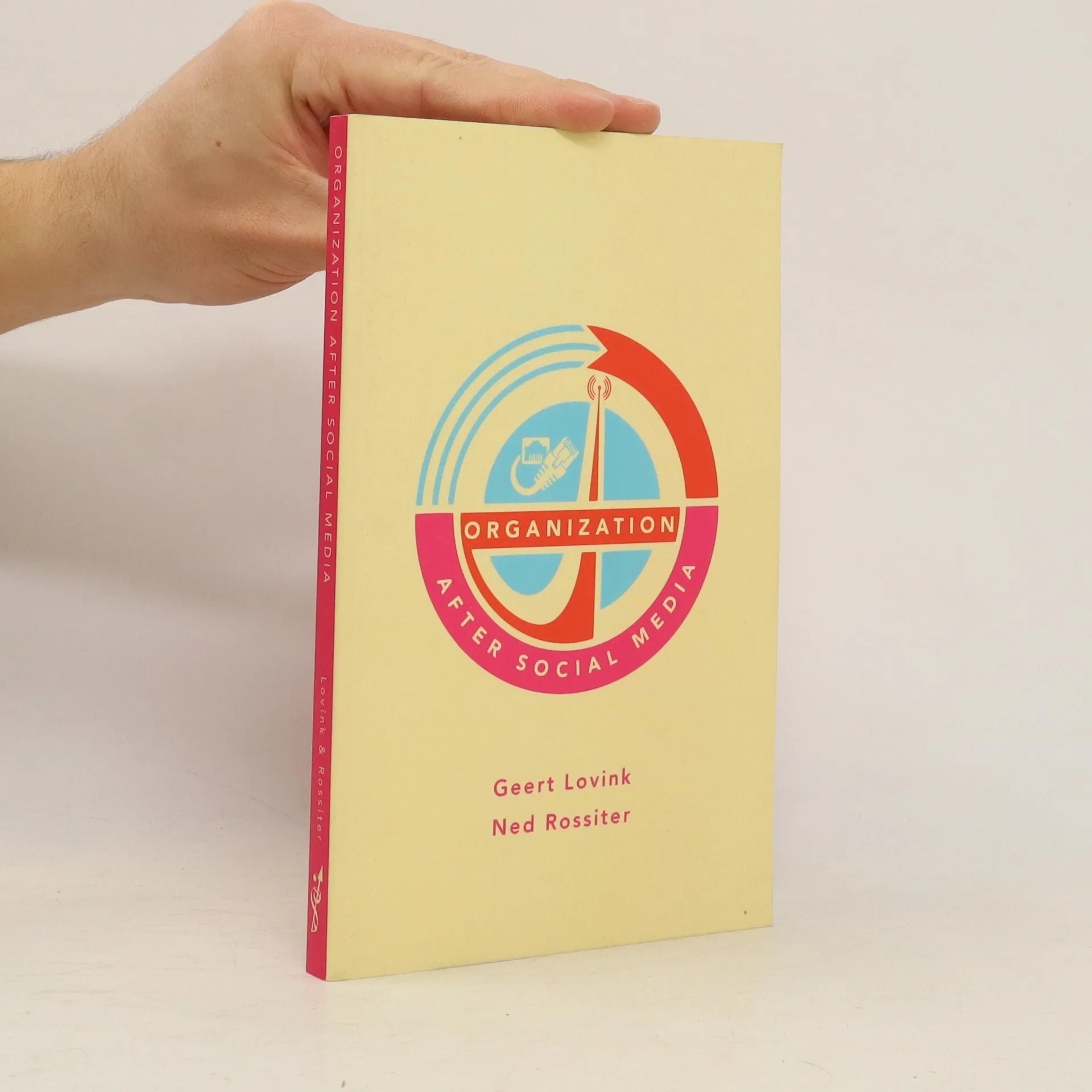
Organized networks are an alternative to the social media logic of weak links and their secretive economy of data mining. They put an end to freestyle friends, seeking forms of empowerment beyond the brief moment of joyful networking. This speculative manual calls for nothing less than social technologies based on enduring time. Analyzing contemporary practices of organization through networks as new institutional forms, organized networks provide an alternative to political parties, trade unions, NGOs, and traditional social movements. Dominant social media deliver remarkably little to advance decision-making within digital communication infrastructures. The world cries for action, not likes.Organization after Social Media explores a range of social settings from arts and design, cultural politics, visual culture and creative industries, disorientated education and the crisis of pedagogy to media theory and activism. Lovink and Rossiter devise strategies of commitment to help claw ourselves out of the toxic morass of platform suffocation.
Zakup książki
Organization After Social Media, Geert Lovink
- Język

- Rok wydania
- 2018
- Oprawa
- (miękka)
Metody płatności
Brakuje nam tutaj Twojej recenzji.
- Tytuł
- Organization After Social Media
- Język
- angielski
- Autorzy
- Geert Lovink
- Wydawca
- Autonomedia
- Rok wydania
- 2018
- Oprawa
- miękka
- Liczba stron
- 182
- ISBN10
- 1570273383
- ISBN13
- 9781570273384
- Seria
- Ocena
- 3,35 z 5
- Opis
- Organized networks are an alternative to the social media logic of weak links and their secretive economy of data mining. They put an end to freestyle friends, seeking forms of empowerment beyond the brief moment of joyful networking. This speculative manual calls for nothing less than social technologies based on enduring time. Analyzing contemporary practices of organization through networks as new institutional forms, organized networks provide an alternative to political parties, trade unions, NGOs, and traditional social movements. Dominant social media deliver remarkably little to advance decision-making within digital communication infrastructures. The world cries for action, not likes.Organization after Social Media explores a range of social settings from arts and design, cultural politics, visual culture and creative industries, disorientated education and the crisis of pedagogy to media theory and activism. Lovink and Rossiter devise strategies of commitment to help claw ourselves out of the toxic morass of platform suffocation.