



Więcej o książce
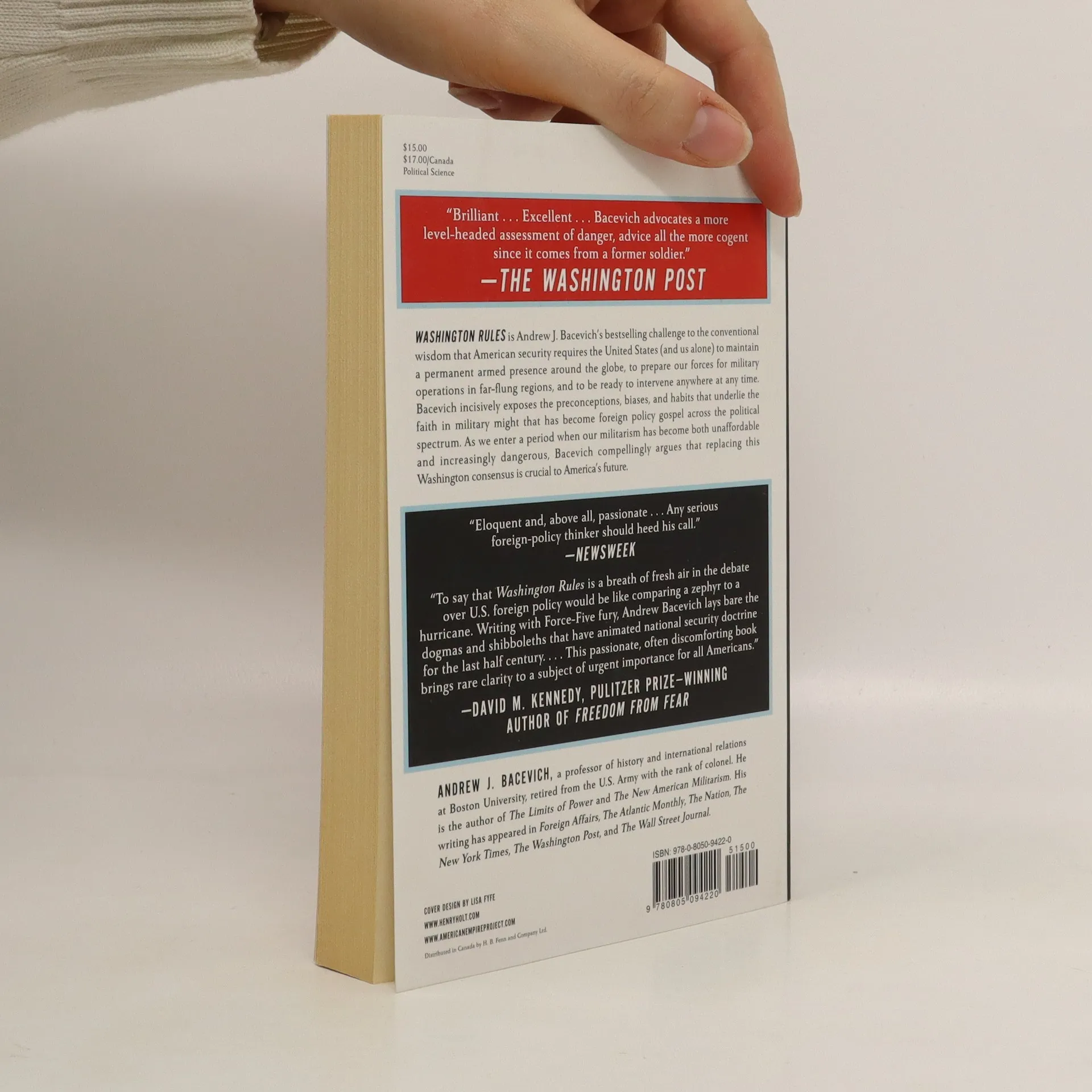
Tough-minded, bracing, and intelligent, Andrew J. Bacevich presents a compelling challenge to the prevailing belief that American security hinges on a permanent military presence worldwide. Hailed as "brilliant," he critiques the bipartisan consensus that has dominated U.S. foreign policy for decades, arguing it has outlived its relevance. With sharp analysis, Bacevich dismantles the assumptions that underpin this faith in military power, particularly the idea that overwhelming strength will ensure compliance with U.S. interests, whether for resources or economic gain. He advocates for a reevaluation of the principles guiding American policy, emphasizing that domestic issues, such as revitalizing Detroit, should take precedence over foreign military engagements like Afghanistan. As America faces the consequences of its militaristic approach—both unaffordable and perilous—Bacevich insists that replacing the entrenched Washington consensus is vital for the nation's future and could be key to its salvation.
Zakup książki
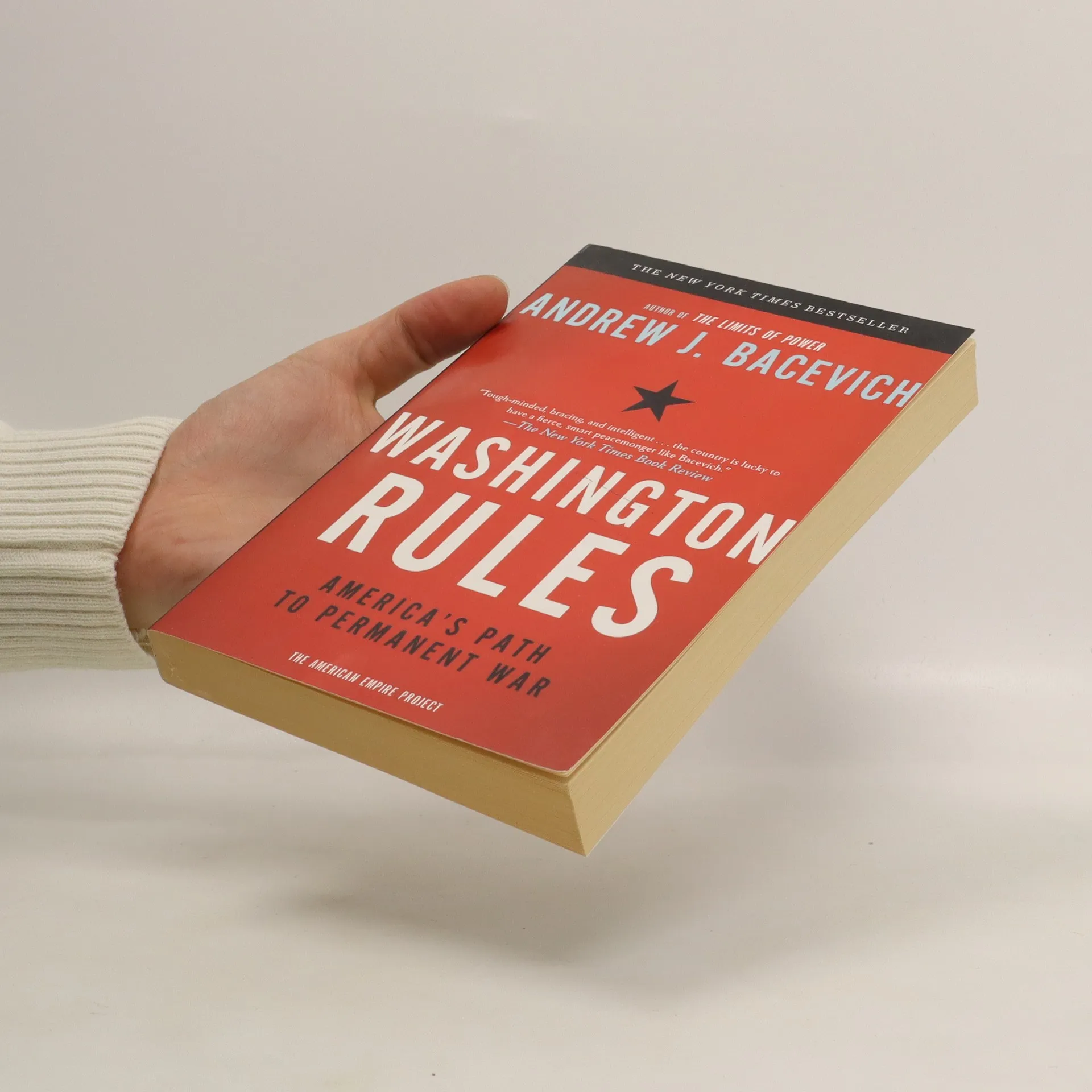
Washington rules : America's path to permanent war, Andrew J. Bacevich
- Język

- Rok wydania
- 2011
- Oprawa
- (miękka)
Metody płatności
Brakuje nam tutaj Twojej recenzji.
- Tytuł
- Washington rules : America's path to permanent war
- Język
- angielski
- Autorzy
- Andrew J. Bacevich
- Wydawca
- Metropolitan Books
- Rok wydania
- 2011
- Oprawa
- miękka
- ISBN10
- 0805094229
- ISBN13
- 9780805094220
- Seria
- Kategorie
- Ocena
- 4,1 z 5
- Opis
- Tough-minded, bracing, and intelligent, Andrew J. Bacevich presents a compelling challenge to the prevailing belief that American security hinges on a permanent military presence worldwide. Hailed as "brilliant," he critiques the bipartisan consensus that has dominated U.S. foreign policy for decades, arguing it has outlived its relevance. With sharp analysis, Bacevich dismantles the assumptions that underpin this faith in military power, particularly the idea that overwhelming strength will ensure compliance with U.S. interests, whether for resources or economic gain. He advocates for a reevaluation of the principles guiding American policy, emphasizing that domestic issues, such as revitalizing Detroit, should take precedence over foreign military engagements like Afghanistan. As America faces the consequences of its militaristic approach—both unaffordable and perilous—Bacevich insists that replacing the entrenched Washington consensus is vital for the nation's future and could be key to its salvation.