

Więcej o książce
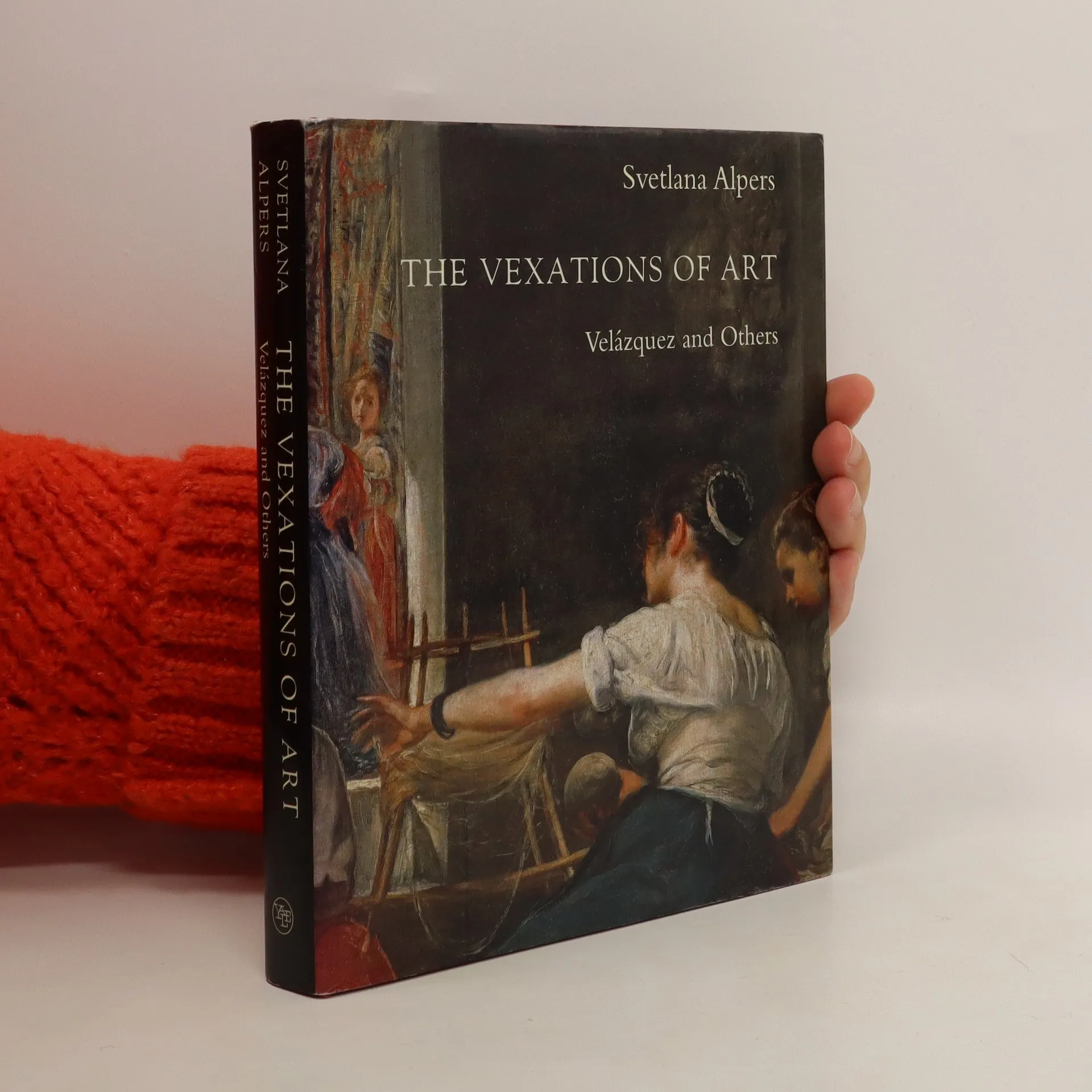
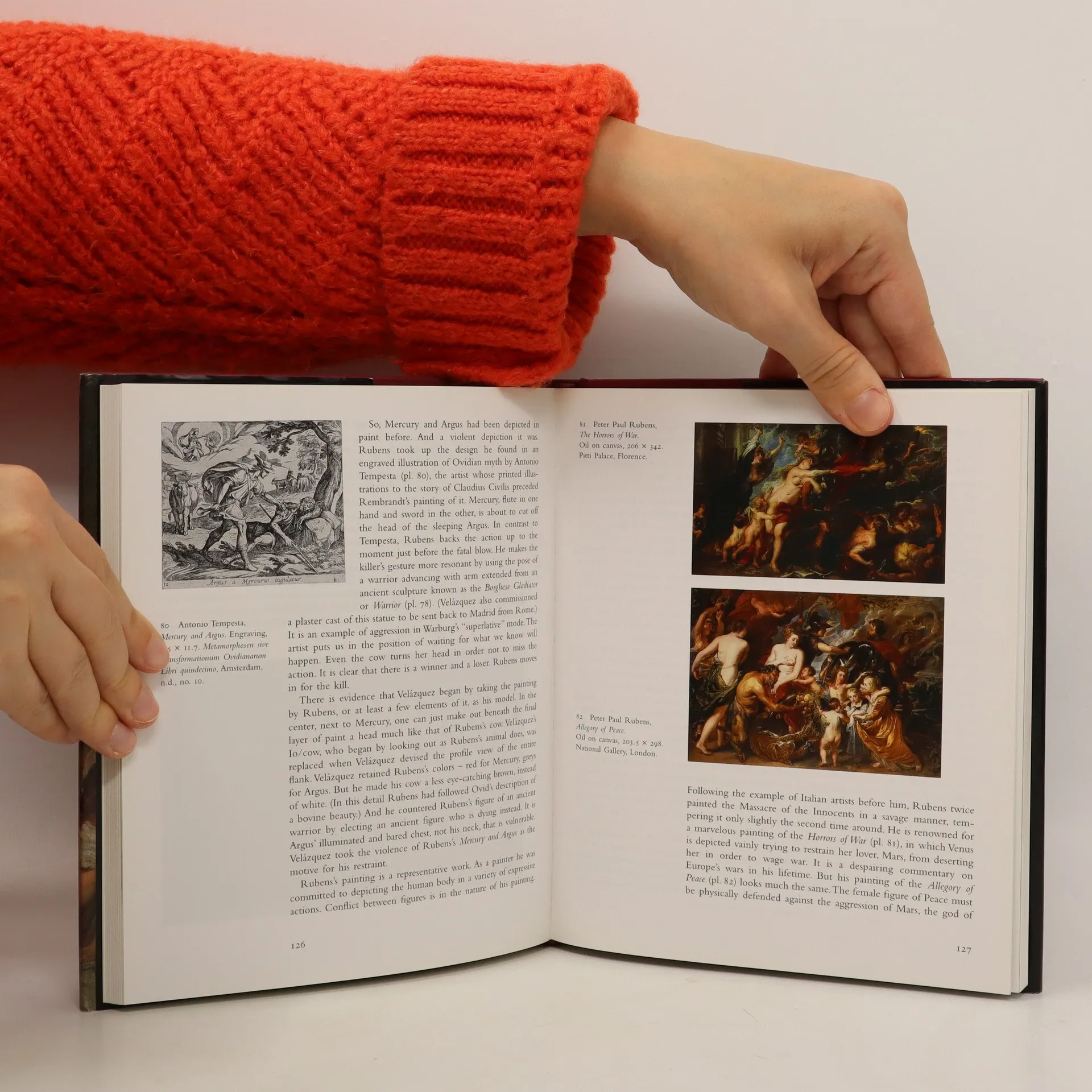
"Alpers concentrates on the art of the seventeenth century, but also looks back and forward in time. She considers Velazquez as curator of the Spanish royal collection, which included many works by his admired predecessors Titian and Rubens. Velazquez also resembles Manet, and the affinity between the two painters is analyzed. Both worked in a tradition that assumed that there were persistent pictorial problems to take up. Inventive change was encouraged. Art such as this vexes or unsettles our view of the world even as it gives us reason to pause and look. The book concludes by asking whether painting continues to do that today." "This book reflects Alpers's close looking and long reflection upon a certain tradition of European painting. It illuminates the nature of what the most alert painters do, and why."--BOOK JACKET.
Zakup książki
The vexations of art : Velázquez and others, Svetlana Alpers
- Język

- Rok wydania
- 2007
- Oprawa
- (twarda)
Metody płatności
Brakuje nam tutaj Twojej recenzji.
- Tytuł
- The vexations of art : Velázquez and others
- Język
- angielski
- Autorzy
- Svetlana Alpers
- Wydawca
- Yale University Press
- Rok wydania
- 2007
- Oprawa
- twarda
- Liczba stron
- 308
- ISBN10
- 0300108257
- ISBN13
- 9780300108255
- Seria
- Tagi
- Sztuka, Historia sztuki
- Ocena
- 4,2 z 5
- Opis
- "Alpers concentrates on the art of the seventeenth century, but also looks back and forward in time. She considers Velazquez as curator of the Spanish royal collection, which included many works by his admired predecessors Titian and Rubens. Velazquez also resembles Manet, and the affinity between the two painters is analyzed. Both worked in a tradition that assumed that there were persistent pictorial problems to take up. Inventive change was encouraged. Art such as this vexes or unsettles our view of the world even as it gives us reason to pause and look. The book concludes by asking whether painting continues to do that today." "This book reflects Alpers's close looking and long reflection upon a certain tradition of European painting. It illuminates the nature of what the most alert painters do, and why."--BOOK JACKET.