

Więcej o książce
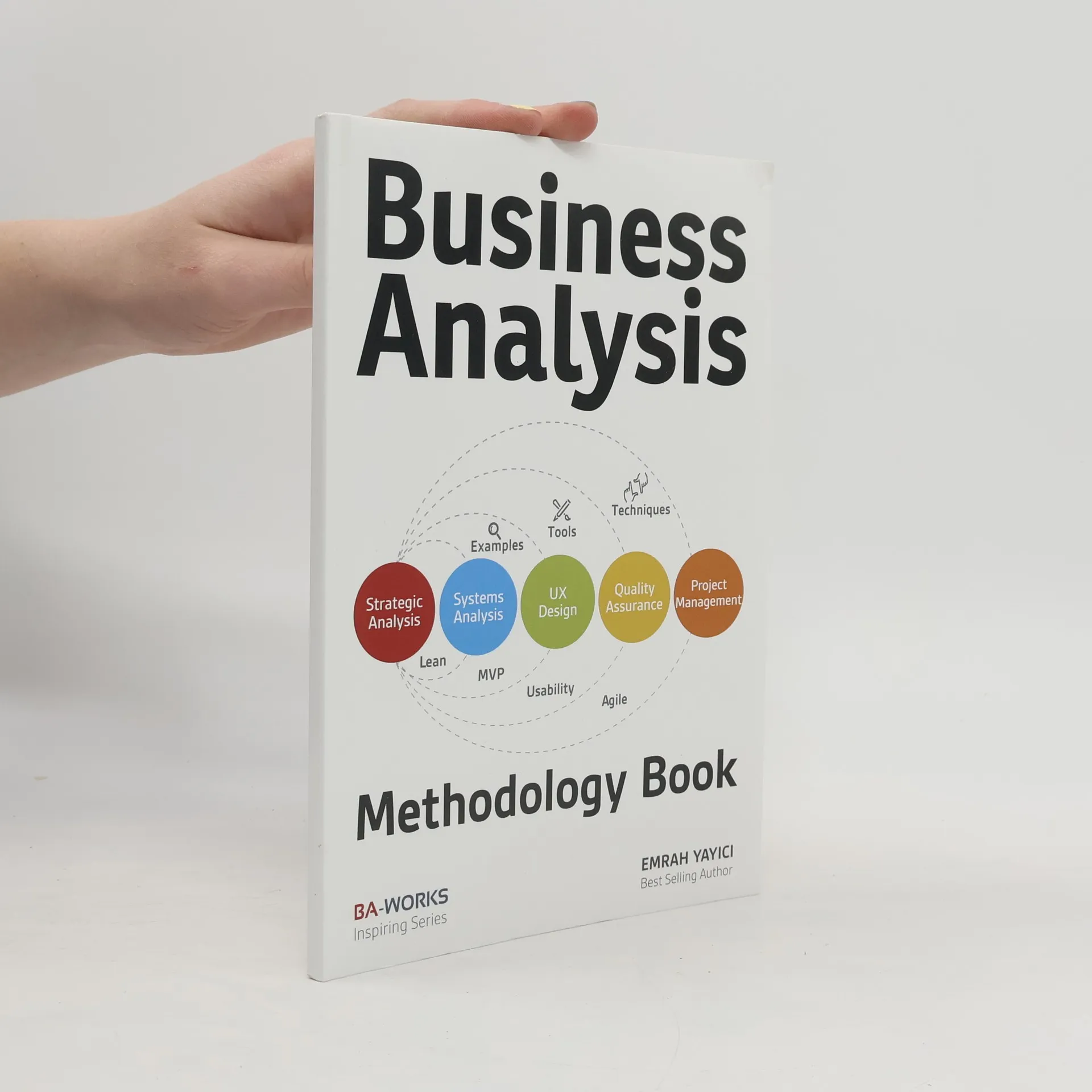
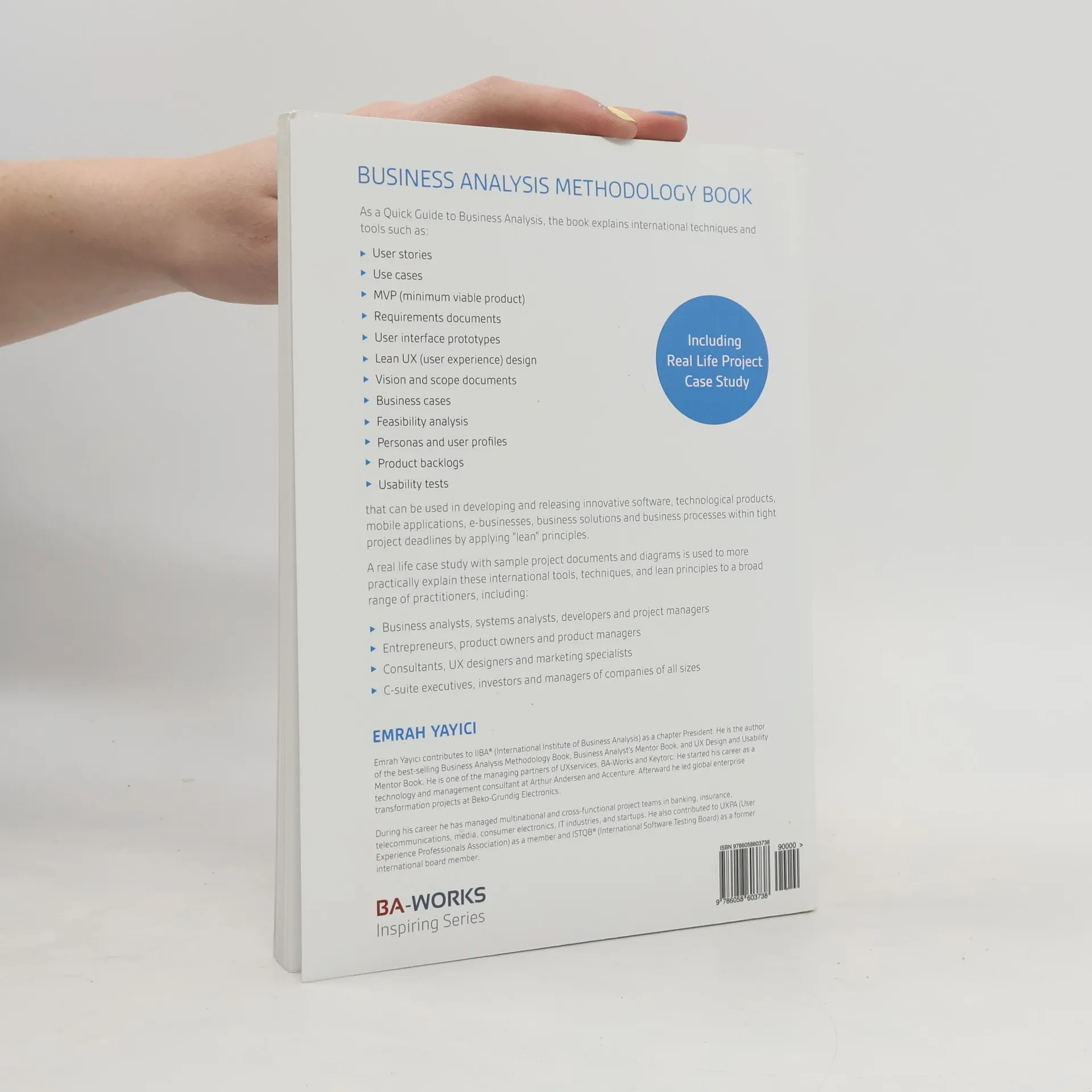
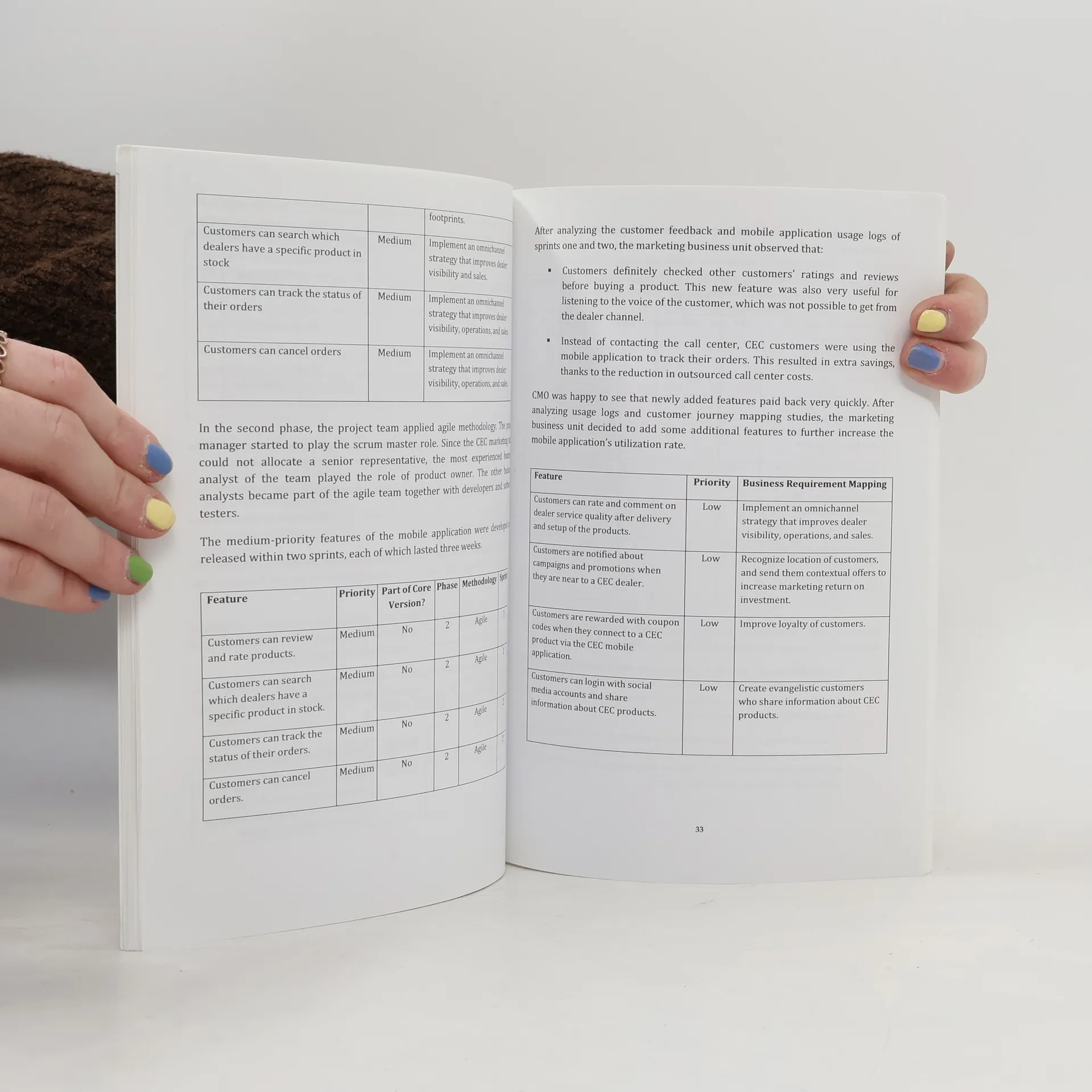
As a Quick Guide to Business Analysis, the book explains international techniques and tools such as user stories, use cases, MVP (minimum viable product), requirements documents, user interface prototypes, Lean UX (user experience) design, vision and scope documents, business cases, feasibility analysis, personas and user profiles, product backlogs, and usability tests that can be used in developing and releasing software, business solutions, technological products, mobile applications, e-businesses, and business processes within tight project deadlines by applying lean principles. A real-life case study with sample project documents and diagrams is used to practically explain these tools, techniques, and lean principles to a broad range of practitioners, including business analysts, systems analysts, developers, project managers, entrepreneurs, product owners, product managers, consultants, UX designers, marketing specialists, C-suite executives, investors, and managers of companies of all sizes.
Zakup książki
Busines analysis, Emrah Yayici
- Język

- Rok wydania
- 2015
Metody płatności
Brakuje nam tutaj Twojej recenzji.
- Tytuł
- Busines analysis
- Język
- angielski
- Autorzy
- Emrah Yayici
- Wydawca
- Emrah Yayici
- Rok wydania
- 2015
- ISBN10
- 6058603730
- ISBN13
- 9786058603738
- Seria
- Kolekcja
- BA-Works Inspiring series
- Kategorie
- Tagi
- Biznes, Poradniki, Technologia
- Ocena
- 3,9 z 5
- Opis
- As a Quick Guide to Business Analysis, the book explains international techniques and tools such as user stories, use cases, MVP (minimum viable product), requirements documents, user interface prototypes, Lean UX (user experience) design, vision and scope documents, business cases, feasibility analysis, personas and user profiles, product backlogs, and usability tests that can be used in developing and releasing software, business solutions, technological products, mobile applications, e-businesses, and business processes within tight project deadlines by applying lean principles. A real-life case study with sample project documents and diagrams is used to practically explain these tools, techniques, and lean principles to a broad range of practitioners, including business analysts, systems analysts, developers, project managers, entrepreneurs, product owners, product managers, consultants, UX designers, marketing specialists, C-suite executives, investors, and managers of companies of all sizes.