

Więcej o książce
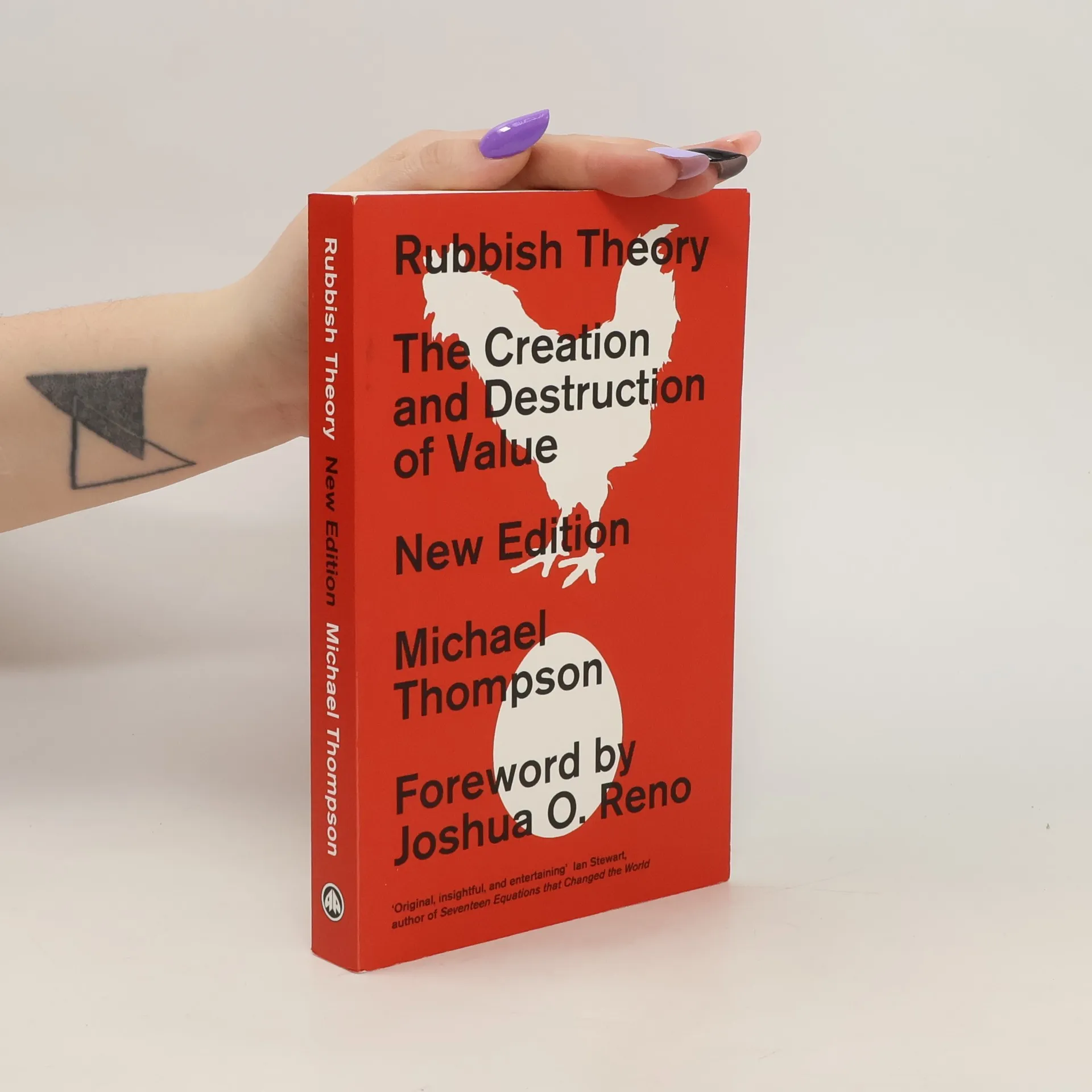
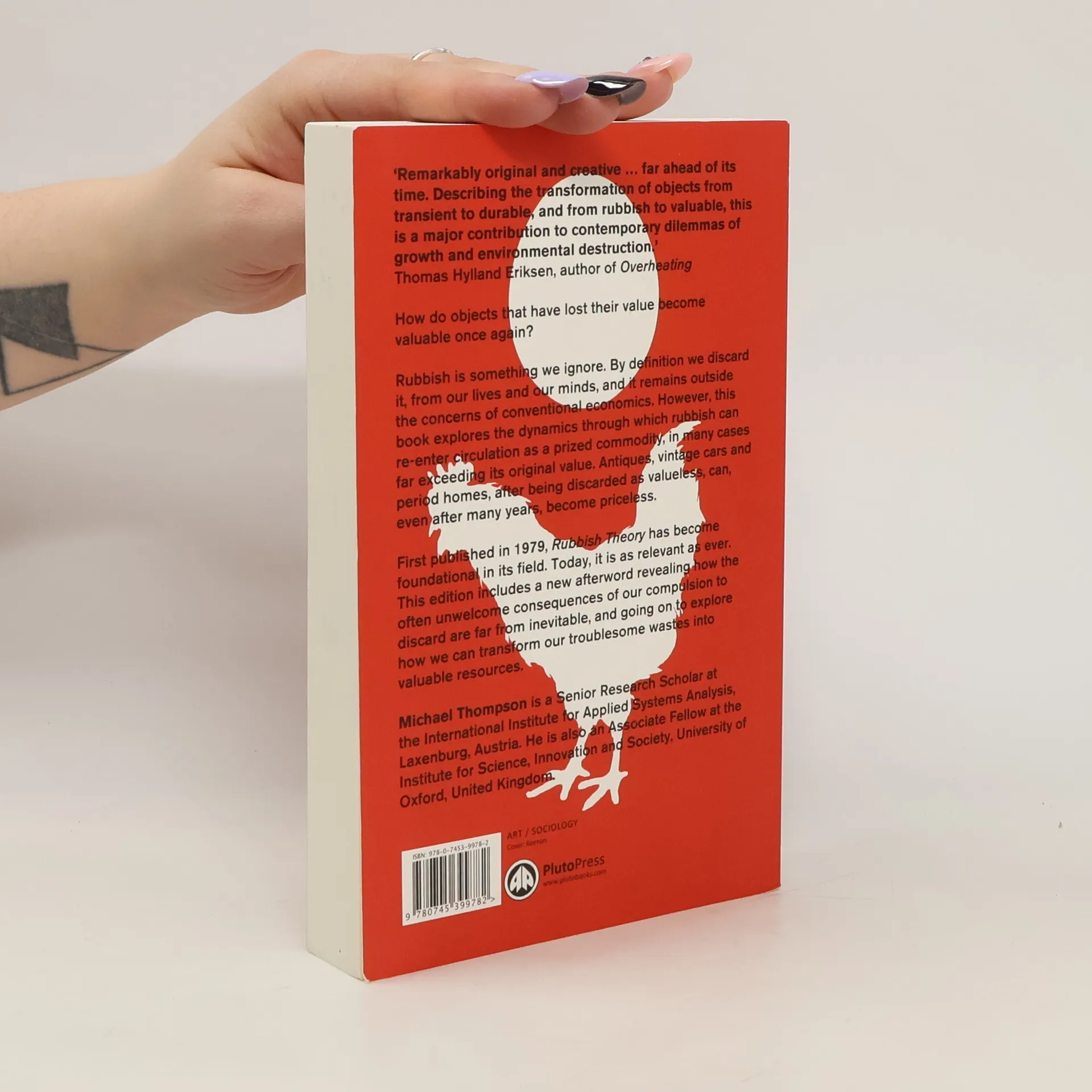
How do objects that are of little worth become valuable? In Rubbish Theory, Michael Thompson argues that there are two mutually exclusive cultural categories that are socially imposed on the world of objects: a transient category and a durable category. However, he identifies a 'region of flexibility', where a transient object, which declines in value and life span, can in fact linger on in a valueless and timeless limbo of 'rubbish', until it is discovered by a creative individual and transferred across into the durable category. Who are the people who are able to affect this value-creating transfer, and which types of people feel at home with transient objects, durable objects and rubbish objects? Thompson links stability and change on the one hand, with materiality on the other, providing a rich analysis of social and cultural dynamics. First published in 1979, this book has become a classic in its field. This second edition includes a new introduction, afterword, and a foreword which describes the book's huge influence across the arts and social sciences - from cultural studies to anthropology - over the four decades since it was first published, placing it in a contemporary context that shines light on the relevance of the book today.
Zakup książki
Rubbish Theory, Michael Thompson
- Język

- Rok wydania
- 2017
- Oprawa
- (miękka)
Metody płatności
Brakuje nam tutaj Twojej recenzji.
- Tytuł
- Rubbish Theory
- Język
- angielski
- Autorzy
- Michael Thompson
- Wydawca
- Pluto Press
- Rok wydania
- 2017
- Oprawa
- miękka
- Liczba stron
- 304
- ISBN10
- 0745399789
- ISBN13
- 9780745399782
- Seria
- Ocena
- 3,4 z 5
- Opis
- How do objects that are of little worth become valuable? In Rubbish Theory, Michael Thompson argues that there are two mutually exclusive cultural categories that are socially imposed on the world of objects: a transient category and a durable category. However, he identifies a 'region of flexibility', where a transient object, which declines in value and life span, can in fact linger on in a valueless and timeless limbo of 'rubbish', until it is discovered by a creative individual and transferred across into the durable category. Who are the people who are able to affect this value-creating transfer, and which types of people feel at home with transient objects, durable objects and rubbish objects? Thompson links stability and change on the one hand, with materiality on the other, providing a rich analysis of social and cultural dynamics. First published in 1979, this book has become a classic in its field. This second edition includes a new introduction, afterword, and a foreword which describes the book's huge influence across the arts and social sciences - from cultural studies to anthropology - over the four decades since it was first published, placing it in a contemporary context that shines light on the relevance of the book today.