






Więcej o książce
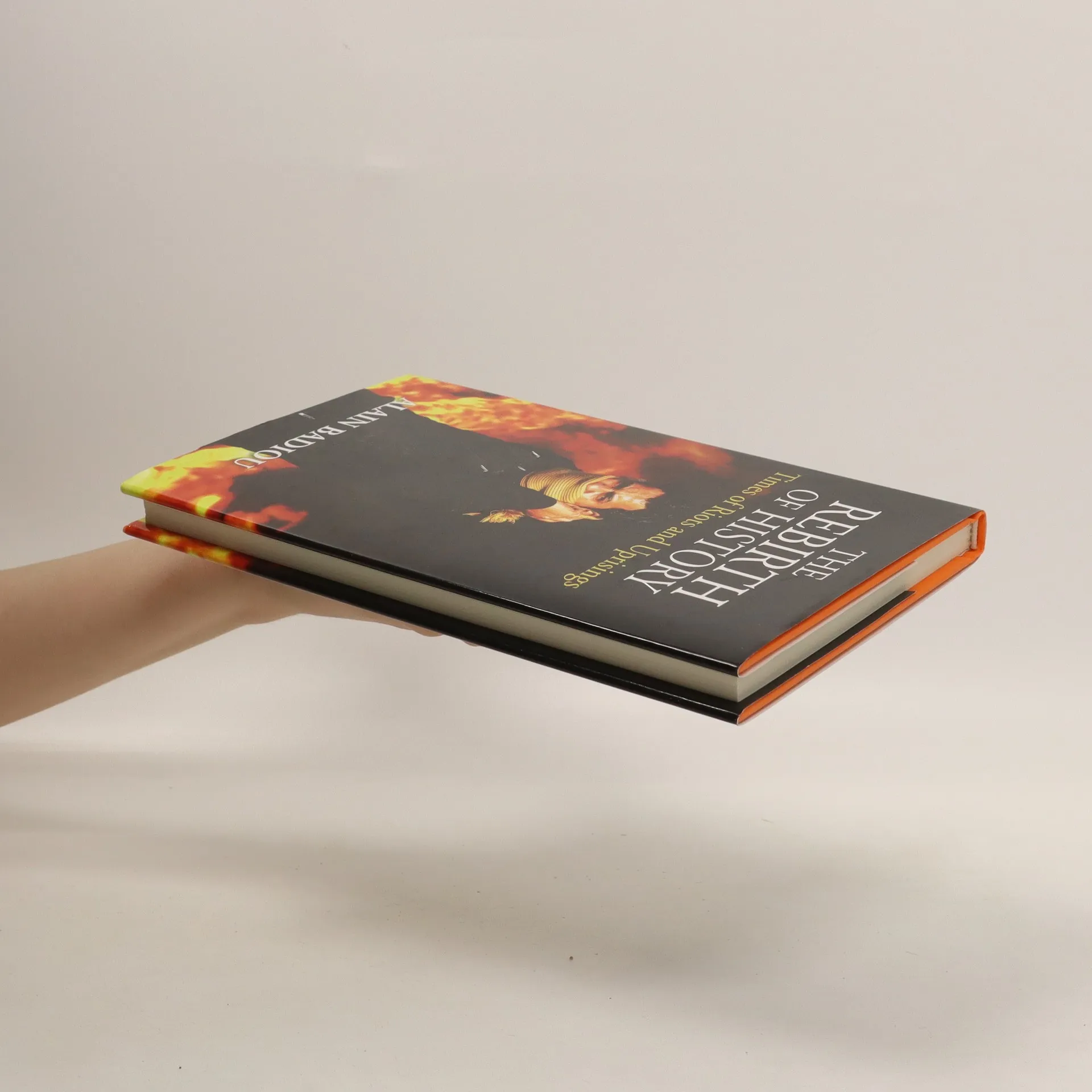
In the uprisings of the Arab world, Alain Badiou discerns echoes of the European revolutions of 1848. In both cases, the object was to overthrow despotic regimes maintained by the great powers—regimes designed to impose the will of financial oligarchies. Both events occurred after what was commonly thought to be the end of a revolutionary epoch: in 1815, the final defeat of Napoleon; and in 1989, the fall of the Soviet Union. But the revolutions of 1848 proclaimed for a century and a half the return of revolutionary thought and action. Likewise, the uprisings underway today herald a worldwide resurgence in the liberating force of the masses—despite the attempts of the ‘international community’ to neutralize its power. Badiou’s book salutes this reawakening of history, weaving examples from the Arab Spring and elsewhere into a global analysis of the return of emancipatory universalism.
Zakup książki
The rebirth of history, Alain Badiou, Gregory Elliott
- Język

- Rok wydania
- 2012
- Oprawa
- (twarda)
Metody płatności
Brakuje nam tutaj Twojej recenzji.
- Tytuł
- The rebirth of history
- Język
- angielski
- Autorzy
- Alain Badiou, Gregory Elliott
- Wydawca
- Verso Books
- Rok wydania
- 2012
- Oprawa
- twarda
- Liczba stron
- 120
- ISBN10
- 1844678792
- ISBN13
- 9781844678792
- Seria
- Kategorie
- Ocena
- 3,8 z 5
- Opis
- In the uprisings of the Arab world, Alain Badiou discerns echoes of the European revolutions of 1848. In both cases, the object was to overthrow despotic regimes maintained by the great powers—regimes designed to impose the will of financial oligarchies. Both events occurred after what was commonly thought to be the end of a revolutionary epoch: in 1815, the final defeat of Napoleon; and in 1989, the fall of the Soviet Union. But the revolutions of 1848 proclaimed for a century and a half the return of revolutionary thought and action. Likewise, the uprisings underway today herald a worldwide resurgence in the liberating force of the masses—despite the attempts of the ‘international community’ to neutralize its power. Badiou’s book salutes this reawakening of history, weaving examples from the Arab Spring and elsewhere into a global analysis of the return of emancipatory universalism.