

Więcej o książce
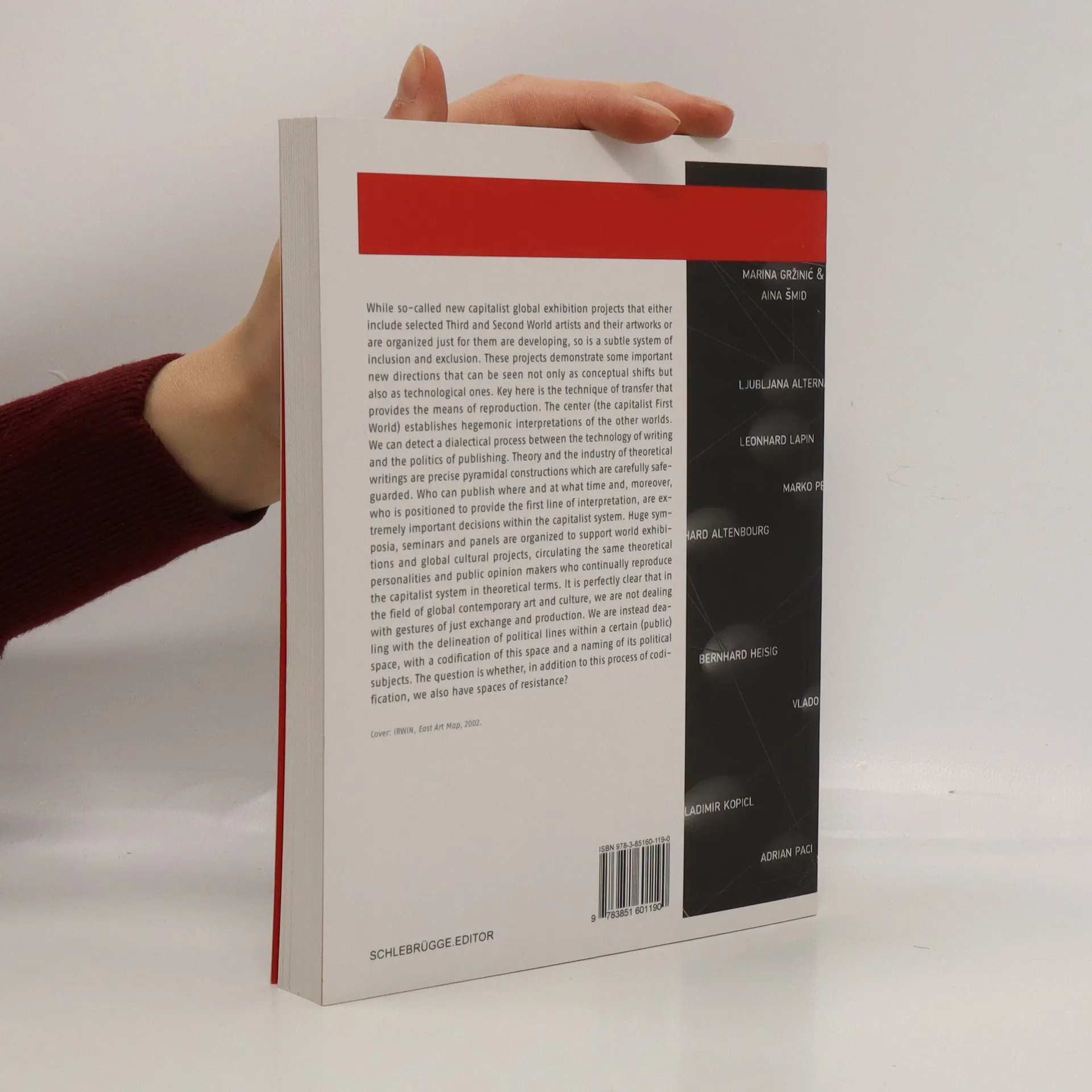
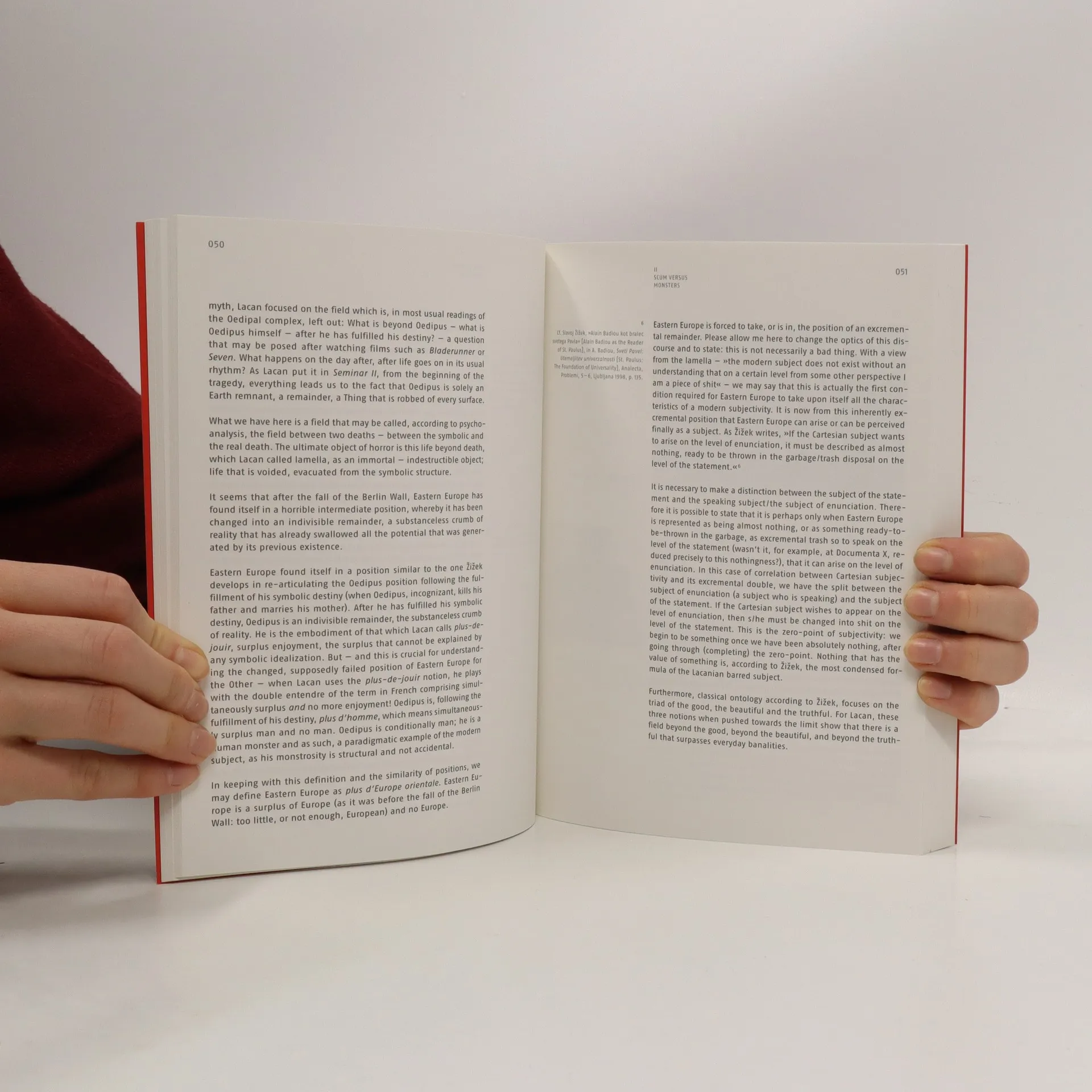
As new capitalist global exhibition projects emerge, incorporating selected Third and Second World artists, a nuanced system of inclusion and exclusion also develops. These initiatives signal significant conceptual and technological shifts, particularly through the technique of transfer that enables reproduction. The capitalist First World establishes dominant interpretations of other cultures, revealing a dialectical relationship between writing technology and publishing politics. The hierarchy of who can publish and interpret is tightly controlled within the capitalist framework. Major symposia, seminars, and panels support global cultural projects, perpetuating the same theoretical figures and public opinion leaders who reinforce the capitalist narrative. In the realm of global contemporary art and culture, the dynamics extend beyond mere exchange and production; they involve the delineation of political boundaries within public spaces, codifying these spaces and naming their political subjects. The critical question arises: alongside this codification, do spaces of resistance exist? Dr. Marina Gržinić Mauhler, a philosopher, artist, and theoretician based in Ljubljana and Vienna, explores these themes. She is a Professor at the Academy of Fine Arts in Vienna and a researcher at the Institute of Philosophy at the ZRC SAZU in Ljubljana, while also working as a freelance media theorist, art critic, and curator.
Zakup książki
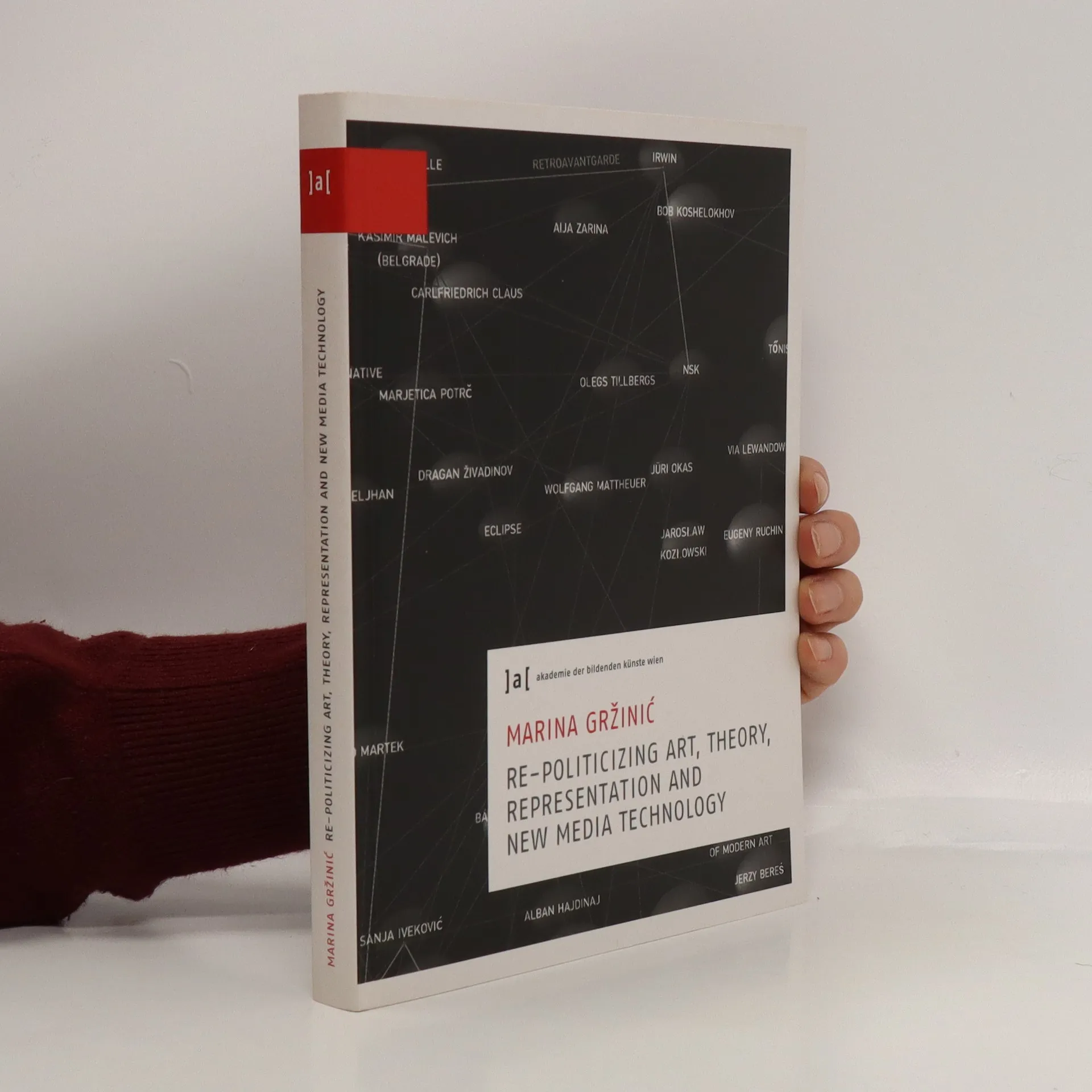
Re-politicizing art, theory, presentation and new media technology, Marina Grz inic
- Język

- Rok wydania
- 2008
- Oprawa
- (miękka)
Metody płatności
Nikt jeszcze nie ocenił.
- Tytuł
- Re-politicizing art, theory, presentation and new media technology
- Język
- angielski
- Autorzy
- Marina Grz inic
- Wydawca
- Schlebrügge
- Rok wydania
- 2008
- Oprawa
- miękka
- Liczba stron
- 238
- ISBN10
- 385160119x
- ISBN13
- 9783851601190
- Seria
- Kategorie
- Tagi
- Sztuki piękne
- Opis
- As new capitalist global exhibition projects emerge, incorporating selected Third and Second World artists, a nuanced system of inclusion and exclusion also develops. These initiatives signal significant conceptual and technological shifts, particularly through the technique of transfer that enables reproduction. The capitalist First World establishes dominant interpretations of other cultures, revealing a dialectical relationship between writing technology and publishing politics. The hierarchy of who can publish and interpret is tightly controlled within the capitalist framework. Major symposia, seminars, and panels support global cultural projects, perpetuating the same theoretical figures and public opinion leaders who reinforce the capitalist narrative. In the realm of global contemporary art and culture, the dynamics extend beyond mere exchange and production; they involve the delineation of political boundaries within public spaces, codifying these spaces and naming their political subjects. The critical question arises: alongside this codification, do spaces of resistance exist? Dr. Marina Gržinić Mauhler, a philosopher, artist, and theoretician based in Ljubljana and Vienna, explores these themes. She is a Professor at the Academy of Fine Arts in Vienna and a researcher at the Institute of Philosophy at the ZRC SAZU in Ljubljana, while also working as a freelance media theorist, art critic, and curator.