


Więcej o książce
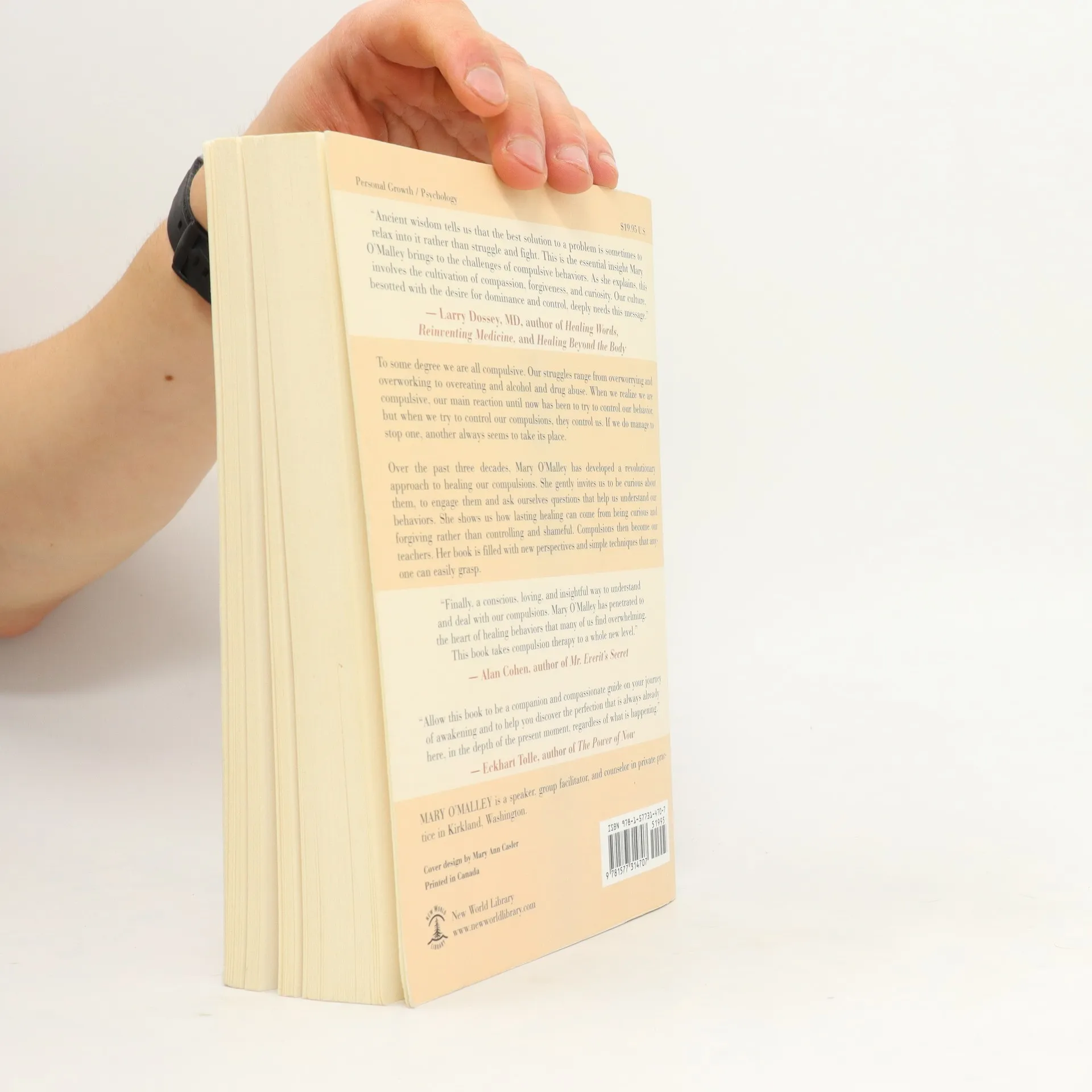
Everyone is compulsive to some degree. People may worry too much, work too hard, or overindulge in food or alcohol or drug use. Once a compulsion is admitted, the usual option is to try to control the behavior. But this effort typically ends with the problem compulsion returning, or a new one taking its place.In this book based on three decades of research, Mary O’Malley has crafted a new approach to healing compulsion, with simple exercises and techniques and an inspiring tone. People are compulsive for a reason, she says, and by observing the things they are compulsive about, engaging those compulsions, readers can begin to understand them and change their actions around them. The book’s exercises help readers in the engagement process by teaching them to ask the right questions. The book shows readers why lasting healing comes from being curious rather than controlling, and self-acceptance comes through forgiveness, not shame.
Zakup książki
The Gift of Our Compulsions, Mary O. Malley, Eckhart Tolle
- Język

- Rok wydania
- 2004
- Oprawa
- (miękka)
Metody płatności
Brakuje nam tutaj Twojej recenzji.
- Tytuł
- The Gift of Our Compulsions
- Język
- angielski
- Autorzy
- Mary O. Malley, Eckhart Tolle
- Wydawca
- New World Library
- Rok wydania
- 2004
- Oprawa
- miękka
- Liczba stron
- 352
- ISBN10
- 1577314700
- ISBN13
- 9781577314707
- Seria
- Kategorie
- Ocena
- 4,2 z 5
- Opis
- Everyone is compulsive to some degree. People may worry too much, work too hard, or overindulge in food or alcohol or drug use. Once a compulsion is admitted, the usual option is to try to control the behavior. But this effort typically ends with the problem compulsion returning, or a new one taking its place.In this book based on three decades of research, Mary O’Malley has crafted a new approach to healing compulsion, with simple exercises and techniques and an inspiring tone. People are compulsive for a reason, she says, and by observing the things they are compulsive about, engaging those compulsions, readers can begin to understand them and change their actions around them. The book’s exercises help readers in the engagement process by teaching them to ask the right questions. The book shows readers why lasting healing comes from being curious rather than controlling, and self-acceptance comes through forgiveness, not shame.