





Więcej o książce
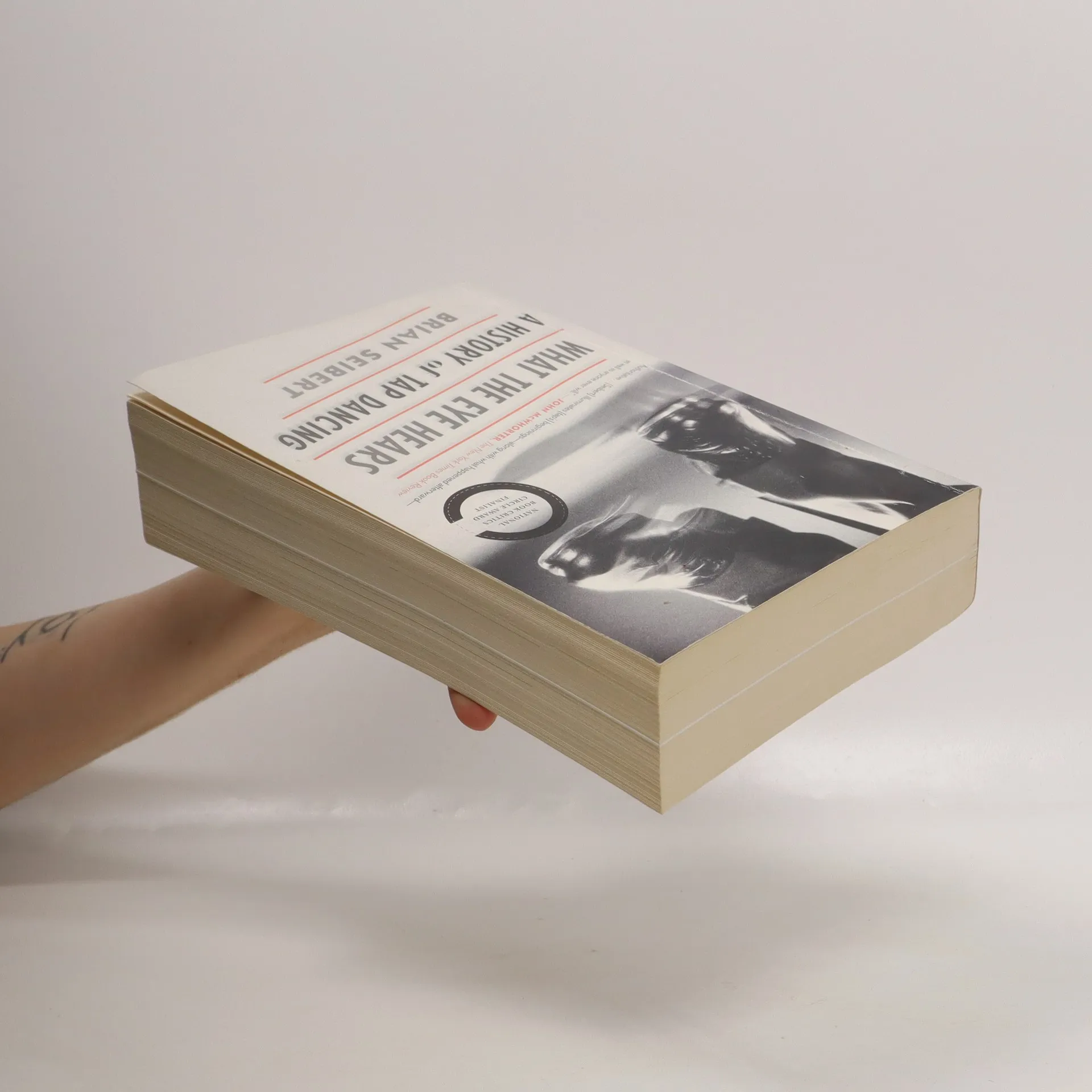
This authoritative history of tap dancing, one of America's great art forms, offers a comprehensive account of its evolution. Brian Seibert, a dance critic for The New York Times, delves into tap's origins as a blend of jig and clog dancing, alongside African influences brought by enslaved people. He examines its journey to the stage through blackface minstrelsy and its emergence alongside jazz in vaudeville. Seibert chronicles tap's rise to prominence on Broadway and in Hollywood, its decline post-World War II, and its revival by new generations of performers. The narrative highlights the importance of tap dancing in understanding American popular culture, featuring a diverse cast of influential figures from Master Juba to Gregory Hines and Savion Glover. Seibert traces tap's stylistic evolution through individual artists, exploring the cultural exchanges between black and white performers, the dynamics of imitation and appropriation, and the complex legacy of African Americans in show business. This exploration reveals the rich history of tap dancing and its significance in the broader context of American art and identity.
Zakup książki
What the Eye Hears, Brian Seibert
- Język

- Rok wydania
- 2015
- Oprawa
- (miękka)
Metody płatności
Brakuje nam tutaj Twojej recenzji.
- Tytuł
- What the Eye Hears
- Język
- angielski
- Autorzy
- Brian Seibert
- Wydawca
- Farrar, Straus and Giroux
- Rok wydania
- 2015
- Oprawa
- miękka
- Liczba stron
- 624
- ISBN10
- 0374536511
- ISBN13
- 9780374536510
- Seria
- Kategorie
- Ocena
- 4,45 z 5
- Opis
- This authoritative history of tap dancing, one of America's great art forms, offers a comprehensive account of its evolution. Brian Seibert, a dance critic for The New York Times, delves into tap's origins as a blend of jig and clog dancing, alongside African influences brought by enslaved people. He examines its journey to the stage through blackface minstrelsy and its emergence alongside jazz in vaudeville. Seibert chronicles tap's rise to prominence on Broadway and in Hollywood, its decline post-World War II, and its revival by new generations of performers. The narrative highlights the importance of tap dancing in understanding American popular culture, featuring a diverse cast of influential figures from Master Juba to Gregory Hines and Savion Glover. Seibert traces tap's stylistic evolution through individual artists, exploring the cultural exchanges between black and white performers, the dynamics of imitation and appropriation, and the complex legacy of African Americans in show business. This exploration reveals the rich history of tap dancing and its significance in the broader context of American art and identity.