



Więcej o książce
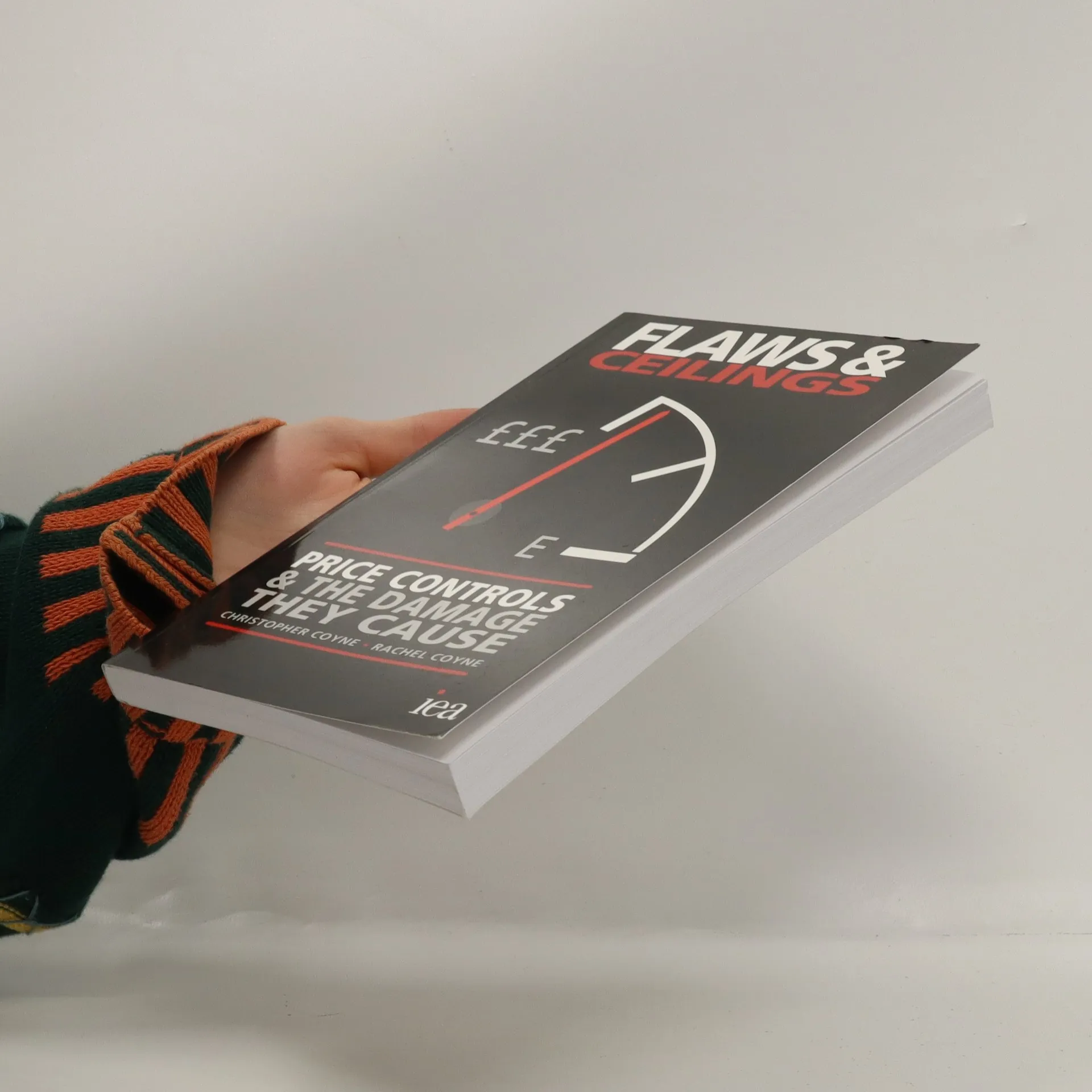
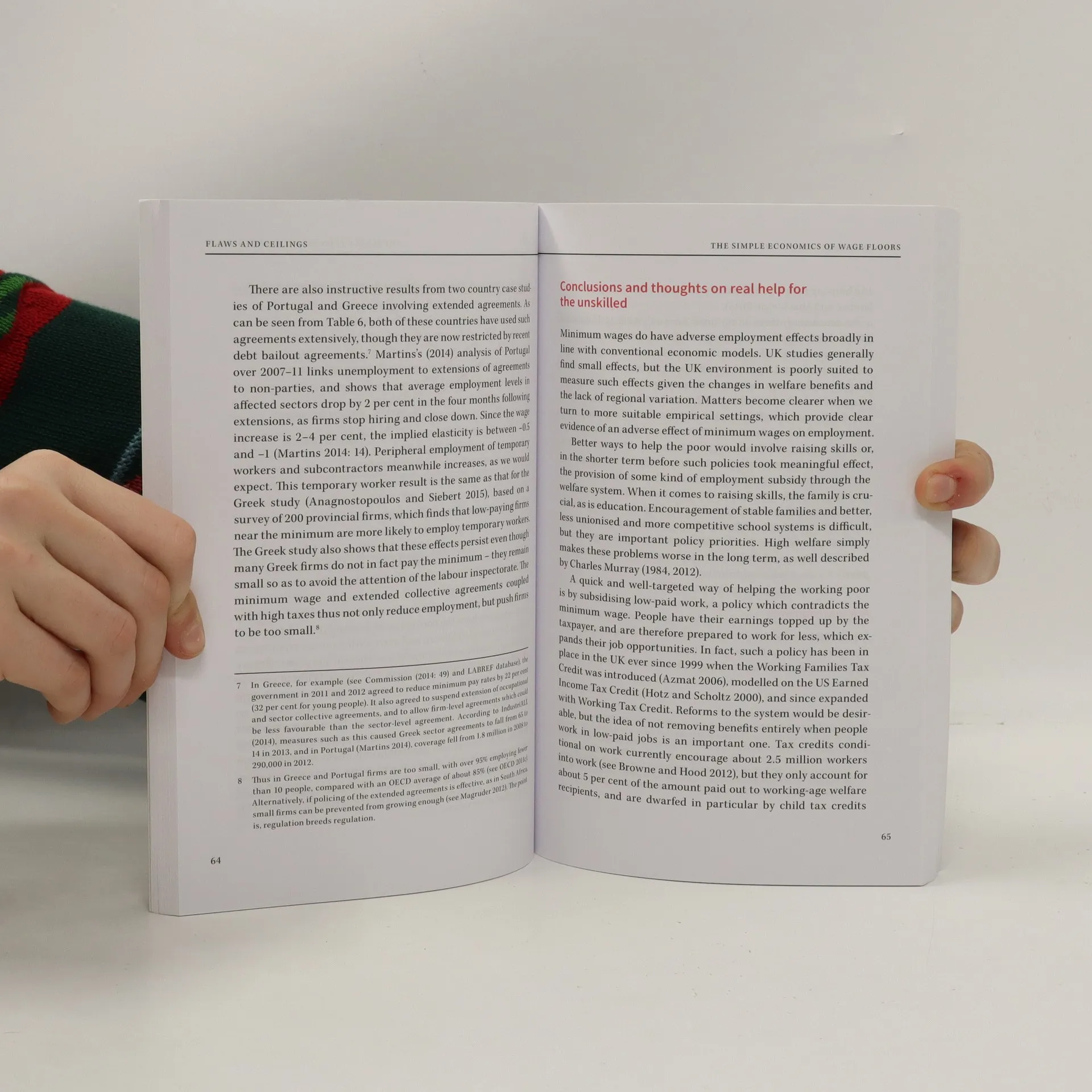
Price controls across many sectors are currently being hotly debated. New controls in the housing market, more onerous minimum wages, minimum prices for alcohol, and freezes on energy prices are very high up the agenda of most politicians at the moment. Even without any further controls, wages, university fees, railway fares and many financial products already have their prices at least partly determined by politicians rather than by supply and demand in the market. Indeed, barely a sector of the UK economy is unaffected in one way or another by government controls on prices. This book demonstrates why economists do not like price controls and shows why they are widely regarded as being amongst the most damaging political interventions in markets. The authors analyse, in a very readable fashion, the damage they cause. Crucially, the authors also explain why, despite universal criticism from economists, price controls are so popular amongst politicians. This excellent book, edited by Christopher Coyne and Rachel Coyne, should be of great value to all those with an interest in minimum wages and other forms of price control.--
Zakup książki
Flaws and ceilings : price controls and the damage they cause, Christopher Coyne, Rachel Coyne
- Język

- Rok wydania
- 2015
- Oprawa
- (miękka)
Metody płatności
Brakuje nam tutaj Twojej recenzji.
- Tytuł
- Flaws and ceilings : price controls and the damage they cause
- Język
- angielski
- Autorzy
- Christopher Coyne, Rachel Coyne
- Rok wydania
- 2015
- Oprawa
- miękka
- Liczba stron
- 198
- ISBN10
- 0255367015
- ISBN13
- 9780255367011
- Seria
- Tagi
- Biznes
- Ocena
- 3,75 z 5
- Opis
- Price controls across many sectors are currently being hotly debated. New controls in the housing market, more onerous minimum wages, minimum prices for alcohol, and freezes on energy prices are very high up the agenda of most politicians at the moment. Even without any further controls, wages, university fees, railway fares and many financial products already have their prices at least partly determined by politicians rather than by supply and demand in the market. Indeed, barely a sector of the UK economy is unaffected in one way or another by government controls on prices. This book demonstrates why economists do not like price controls and shows why they are widely regarded as being amongst the most damaging political interventions in markets. The authors analyse, in a very readable fashion, the damage they cause. Crucially, the authors also explain why, despite universal criticism from economists, price controls are so popular amongst politicians. This excellent book, edited by Christopher Coyne and Rachel Coyne, should be of great value to all those with an interest in minimum wages and other forms of price control.--