




Więcej o książce
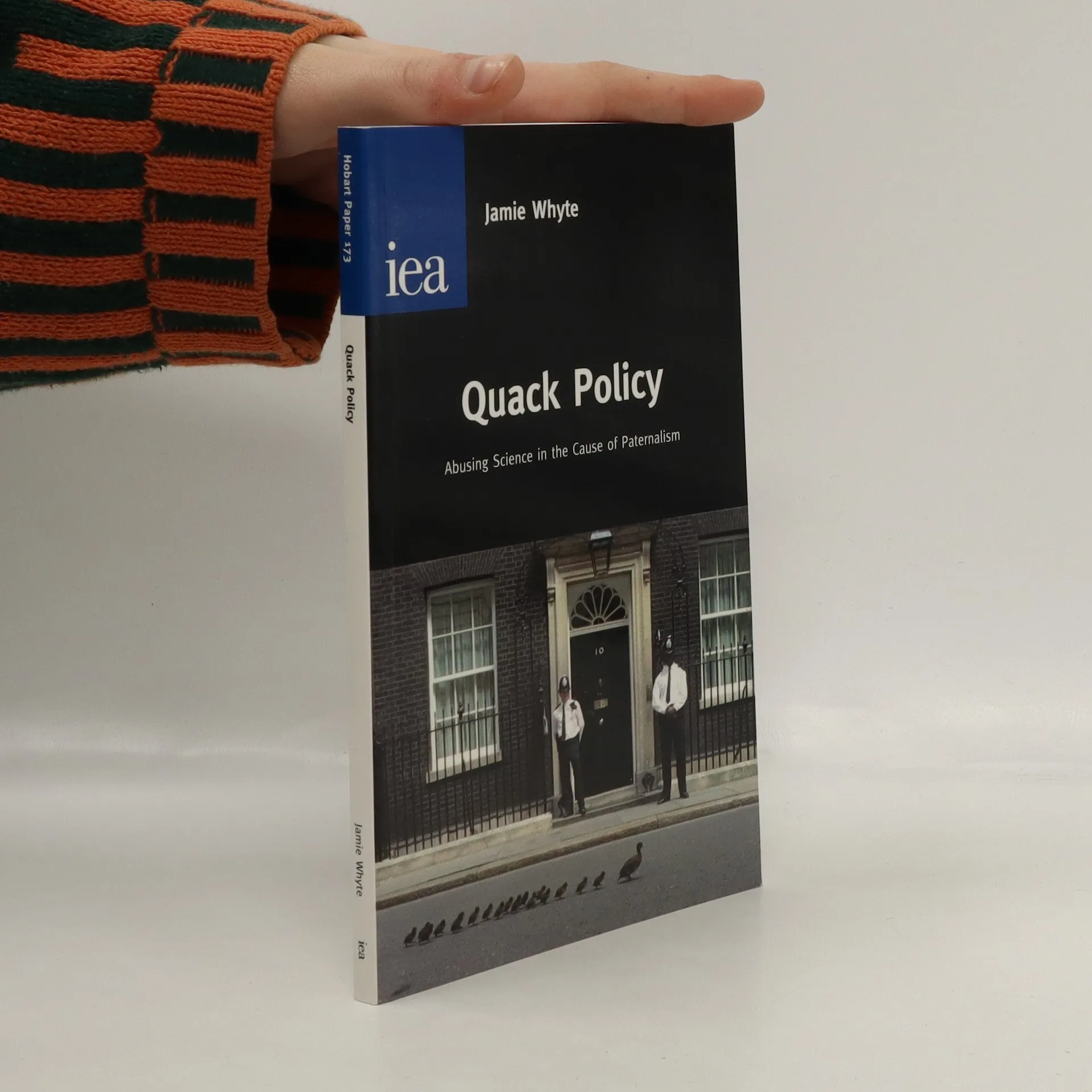
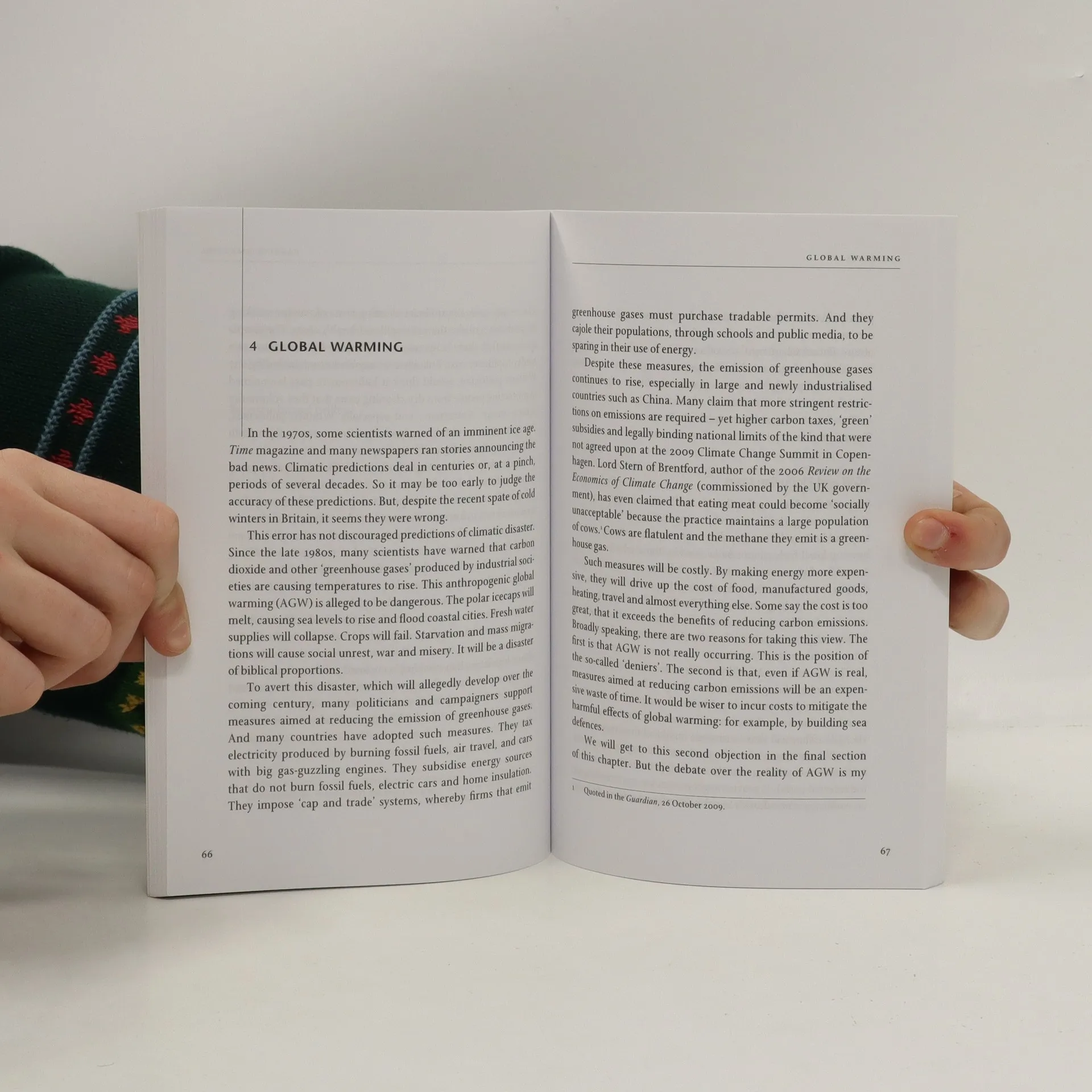
Noting that politicians and lobbyists who promote new regulations and taxes often claim that the case for increased government intervention is supported by scientific evidence, this work sets out to expose the deficiencies in such an approach by examining four areas of policy: minimum alcohol pricing, passive smoking, global warming, and happiness. In each case, the use of scientific evidence is shown to be deeply flawed and the policymaking process is characterized by basic methodological errors, as well as self-interested behavior by the experts involved. This study also makes note of academic and political elites who also use such policies to impose their own values on society as a whole, demonstrating contempt for the preferences of the general public. The author concludes that much evidence-based policy is grounded on poor scientific reasoning and very poor economics.
Zakup książki
Quack policy : abusing science in the cause of paternalism, Jamie Whyte
- Język

- Rok wydania
- 2013
- Oprawa
- (miękka)
Metody płatności
Nikt jeszcze nie ocenił.
- Tytuł
- Quack policy : abusing science in the cause of paternalism
- Język
- angielski
- Autorzy
- Jamie Whyte
- Rok wydania
- 2013
- Oprawa
- miękka
- Liczba stron
- 145
- ISBN10
- 0255366736
- ISBN13
- 9780255366731
- Seria
- Tagi
- Biznes
- Opis
- Noting that politicians and lobbyists who promote new regulations and taxes often claim that the case for increased government intervention is supported by scientific evidence, this work sets out to expose the deficiencies in such an approach by examining four areas of policy: minimum alcohol pricing, passive smoking, global warming, and happiness. In each case, the use of scientific evidence is shown to be deeply flawed and the policymaking process is characterized by basic methodological errors, as well as self-interested behavior by the experts involved. This study also makes note of academic and political elites who also use such policies to impose their own values on society as a whole, demonstrating contempt for the preferences of the general public. The author concludes that much evidence-based policy is grounded on poor scientific reasoning and very poor economics.