

Więcej o książce
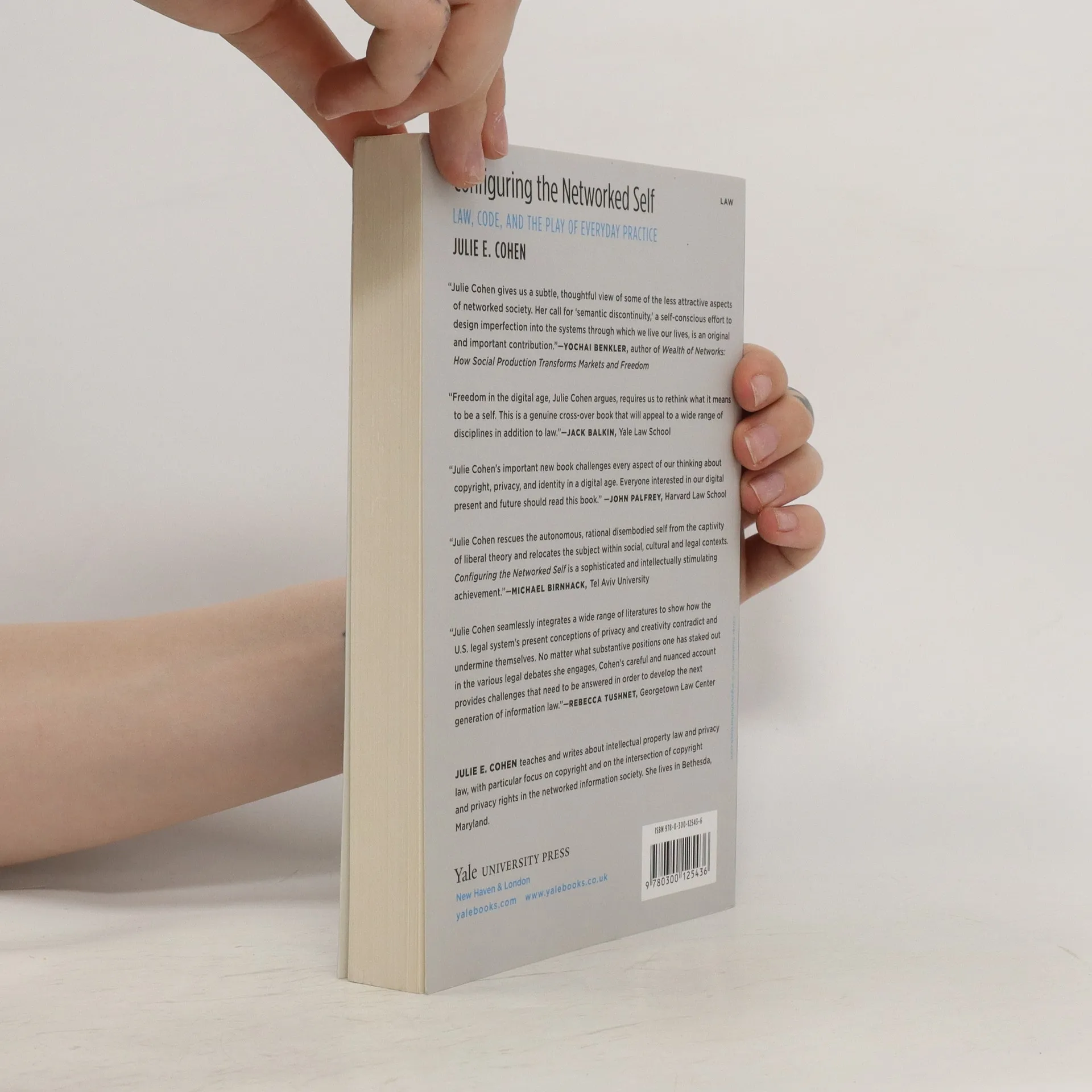
The legal and technical rules governing flows of information are out of balance, argues Julie E. Cohen in this original analysis of information law and policy. Flows of cultural and technical information are overly restricted, while flows of personal information often are not restricted at all. The author investigates the institutional forces shaping the emerging information society and the contradictions between those forces and the ways that people use information and information technologies in their everyday lives. She then proposes legal principles to ensure that people have ample room for cultural and material participation as well as greater control over the boundary conditions that govern flows of information to, from, and about them.
Zakup książki
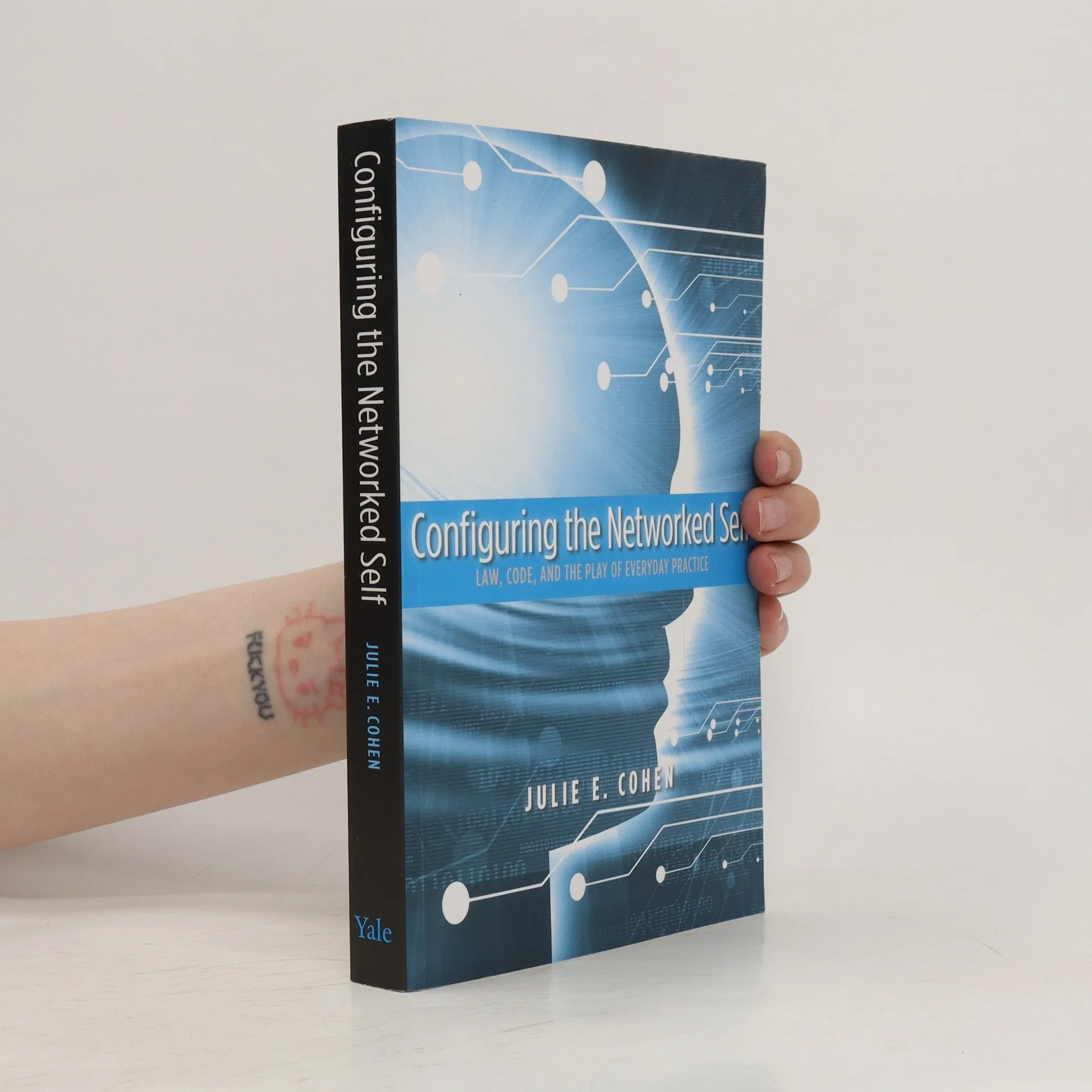
Configuring the Networked Self. Law, Code, and the Play of Everyday Practice, Julie E. Cohen
- Język

- Rok wydania
- 2012
- Oprawa
- (miękka)
Metody płatności
Brakuje nam tutaj Twojej recenzji.
- Tytuł
- Configuring the Networked Self. Law, Code, and the Play of Everyday Practice
- Język
- angielski
- Autorzy
- Julie E. Cohen
- Wydawca
- Yale University Press
- Rok wydania
- 2012
- Oprawa
- miękka
- Liczba stron
- 337
- ISBN10
- 0300125437
- ISBN13
- 9780300125436
- Seria
- Kategorie
- Tagi
- Ocena
- 3,55 z 5
- Opis
- The legal and technical rules governing flows of information are out of balance, argues Julie E. Cohen in this original analysis of information law and policy. Flows of cultural and technical information are overly restricted, while flows of personal information often are not restricted at all. The author investigates the institutional forces shaping the emerging information society and the contradictions between those forces and the ways that people use information and information technologies in their everyday lives. She then proposes legal principles to ensure that people have ample room for cultural and material participation as well as greater control over the boundary conditions that govern flows of information to, from, and about them.