

Więcej o książce
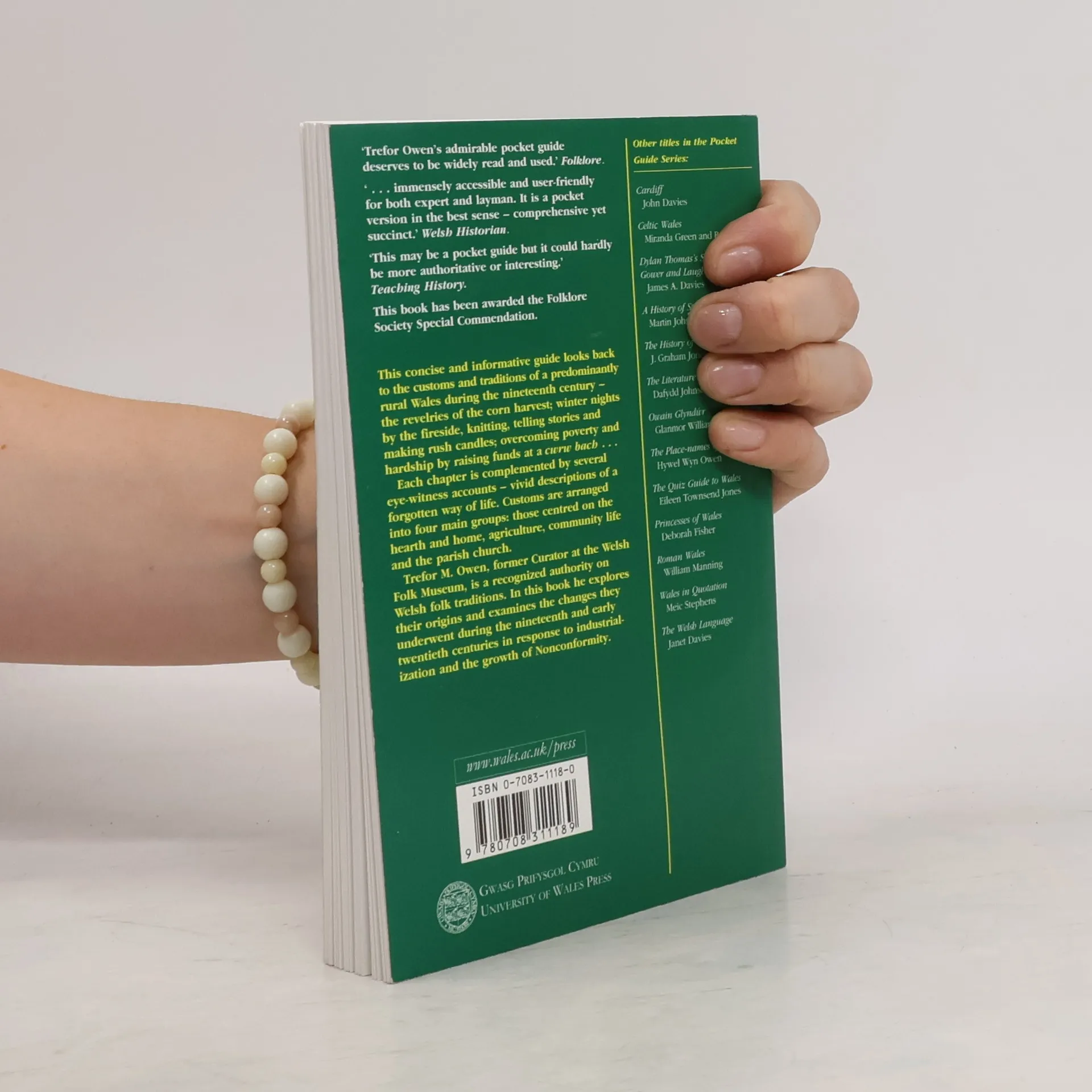
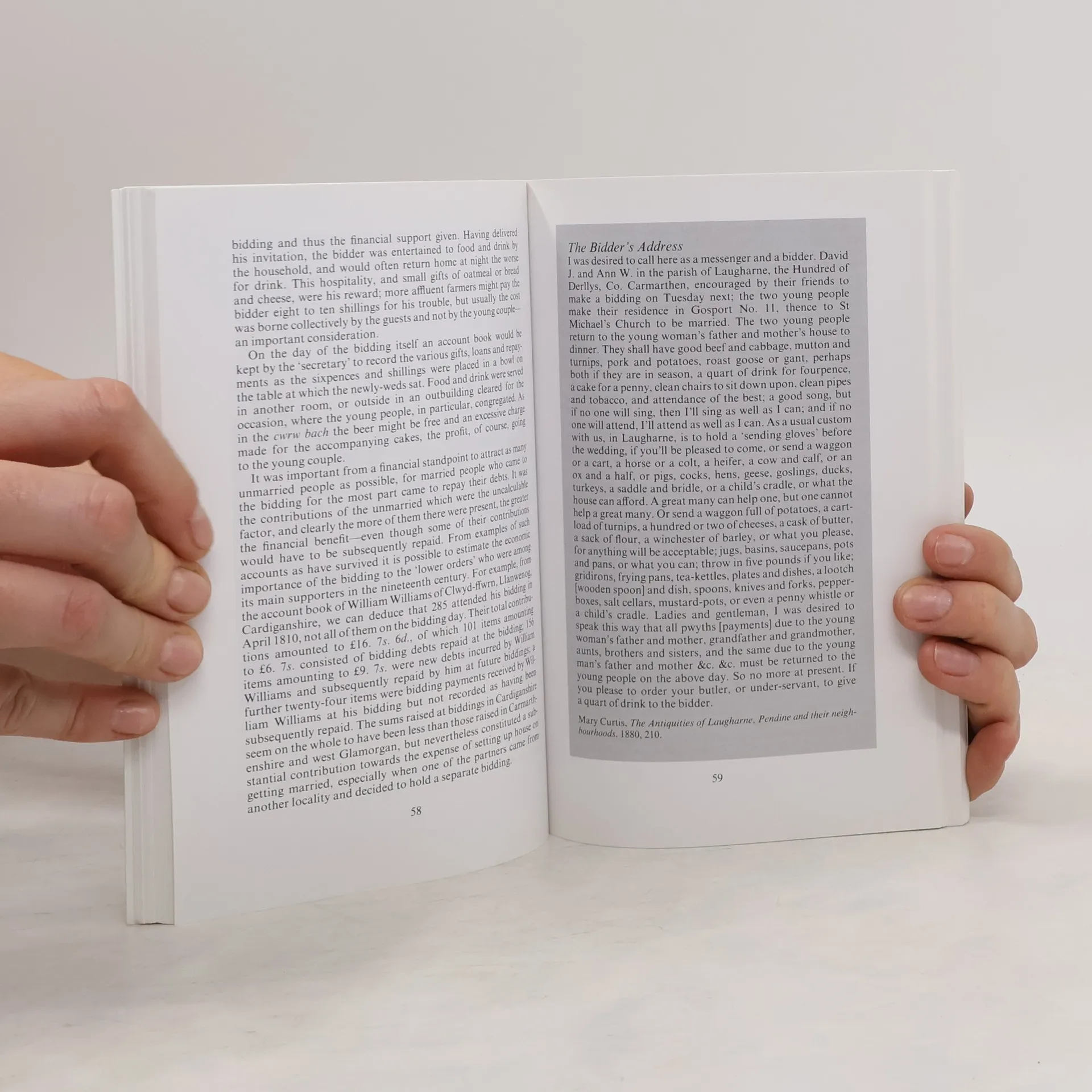
This concise and informative guide looks back to the customs and traditions of a predominantly rural Wales during the nineteenth century -- the revelries of the corn harvest; winter nights by the fireside, knitting, telling stories and making rush candles; overcoming poverty and hardship by raising funds at a cwrw bach ... Each chapter is complemented by several eye-witness accounts -- vivid descriptions of a forgotten way of life. Customs are arranged into four main those centered on the hearth and home, agriculture, community life and the parish church. In this book, Trefor M. Owen explores the origins of Welsh customs and traditions and examines the changes they underwent during the nineteenth and early twentieth centuries in response to industrialization and the growth of Nonconformity.
Zakup książki
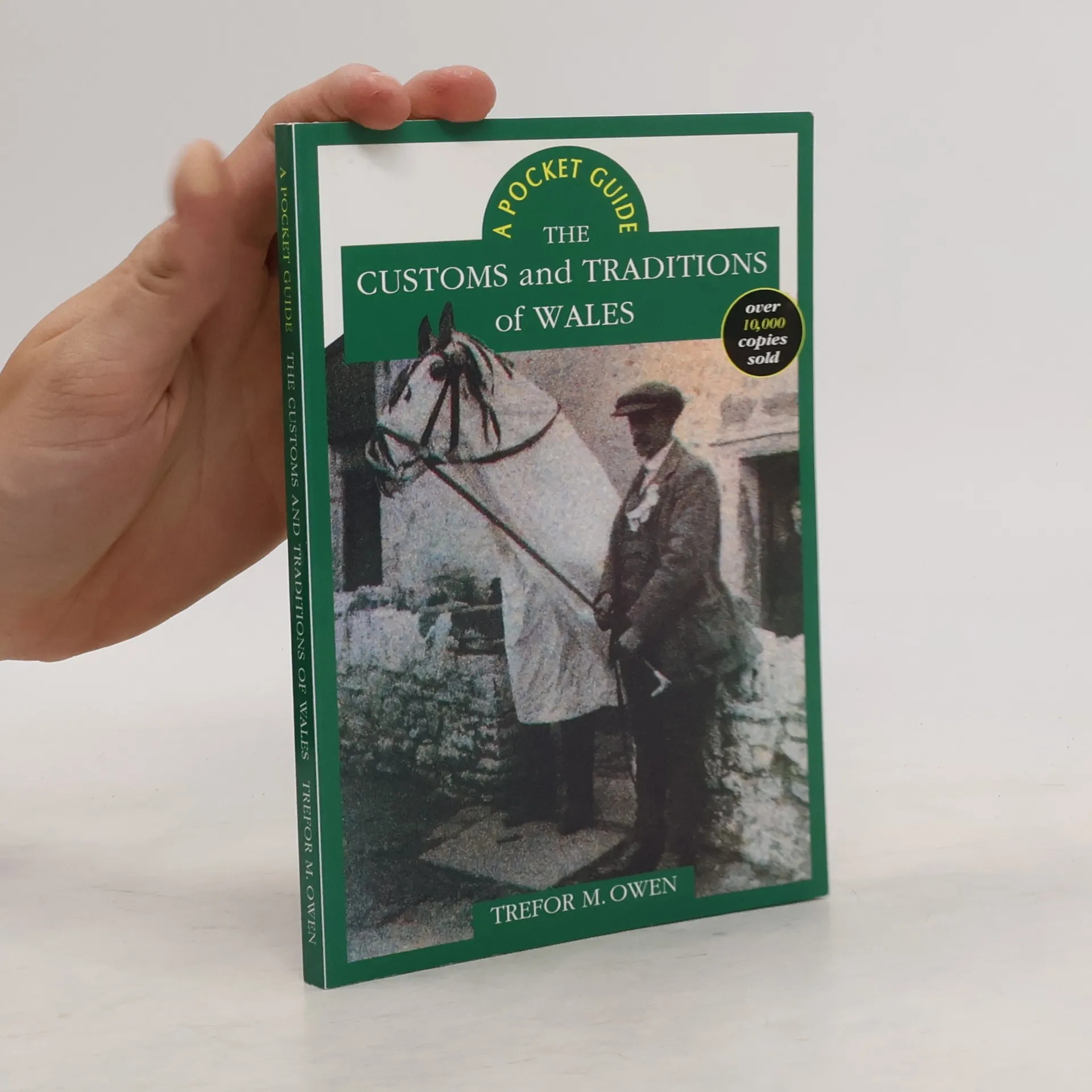
The Customs and Traditions of Wales, Trefor M. Owen
- Język

- Rok wydania
- 1991
- Oprawa
- (miękka)
Metody płatności
Brakuje nam tutaj Twojej recenzji.
- Tytuł
- The Customs and Traditions of Wales
- Język
- angielski
- Autorzy
- Trefor M. Owen
- Wydawca
- University of Wales Press
- Rok wydania
- 1991
- Oprawa
- miękka
- Liczba stron
- 108
- ISBN10
- 0708311180
- ISBN13
- 9780708311189
- Seria
- Ocena
- 4,05 z 5
- Opis
- This concise and informative guide looks back to the customs and traditions of a predominantly rural Wales during the nineteenth century -- the revelries of the corn harvest; winter nights by the fireside, knitting, telling stories and making rush candles; overcoming poverty and hardship by raising funds at a cwrw bach ... Each chapter is complemented by several eye-witness accounts -- vivid descriptions of a forgotten way of life. Customs are arranged into four main those centered on the hearth and home, agriculture, community life and the parish church. In this book, Trefor M. Owen explores the origins of Welsh customs and traditions and examines the changes they underwent during the nineteenth and early twentieth centuries in response to industrialization and the growth of Nonconformity.