



Ocena książki
Parametry
- 165 stron
- 6 godzin czytania
Więcej o książce
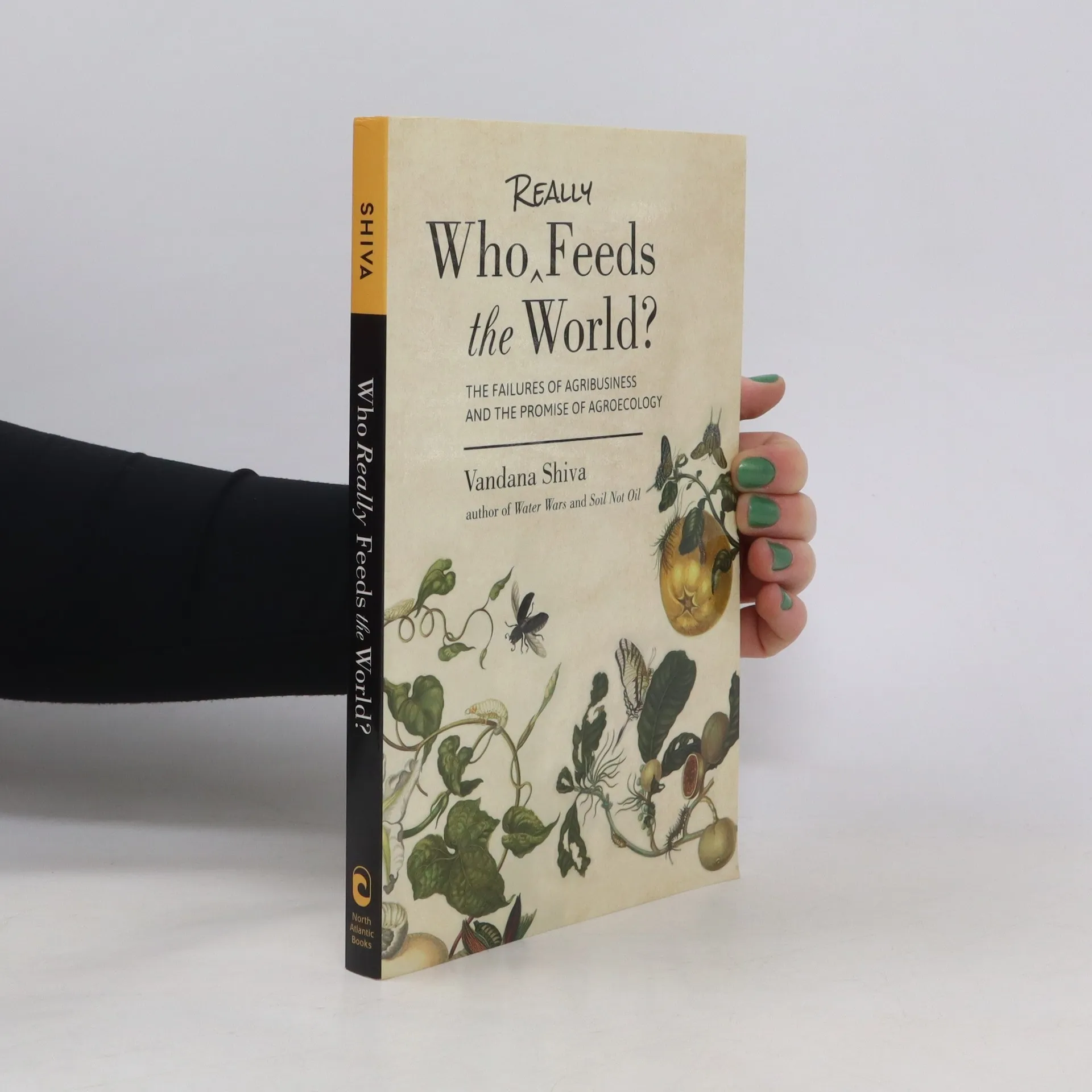
Debunking the notion that our current food crisis must be addressed through industrial agriculture and genetic modification, author and activist Vandana Shiva argues that those forces are in fact the ones responsible for the hunger problem in the first place. Who Really Feeds the World? is a powerful manifesto calling for agricultural justice and genuine sustainability, drawing upon Shiva’s thirty years of research and accomplishments in the field. Instead of relying on genetic modification and large-scale monocropping to solve the world’s food crisis, she proposes that we look to agroecology—the knowledge of the interconnectedness that creates food—as a truly life-giving alternative to the industrial paradigm. Shiva succinctly and eloquently lays out the networks of people and processes that feed the world, exploring issues of diversity, the needs of small famers, the importance of seed saving, the movement toward localization, and the role of women in producing the world's food.
Zakup książki
Who Really Feeds the World?: The Failures of Agribusiness and the Promise of Agroecology, Vandana Shiva
- Język

- Rok wydania
- 2016
- Oprawa
- (miękka)
Metody płatności
Brakuje nam tutaj Twojej recenzji.
- Tytuł
- Who Really Feeds the World?: The Failures of Agribusiness and the Promise of Agroecology
- Język
- angielski
- Autorzy
- Vandana Shiva
- Wydawca
- North Atlantic Books,U.S.
- Rok wydania
- 2016
- Oprawa
- miękka
- Liczba stron
- 165
- ISBN10
- 1623170621
- ISBN13
- 9781623170622
- Seria
- Kategorie
- Ocena
- 3,95 z 5
- Opis
- Debunking the notion that our current food crisis must be addressed through industrial agriculture and genetic modification, author and activist Vandana Shiva argues that those forces are in fact the ones responsible for the hunger problem in the first place. Who Really Feeds the World? is a powerful manifesto calling for agricultural justice and genuine sustainability, drawing upon Shiva’s thirty years of research and accomplishments in the field. Instead of relying on genetic modification and large-scale monocropping to solve the world’s food crisis, she proposes that we look to agroecology—the knowledge of the interconnectedness that creates food—as a truly life-giving alternative to the industrial paradigm. Shiva succinctly and eloquently lays out the networks of people and processes that feed the world, exploring issues of diversity, the needs of small famers, the importance of seed saving, the movement toward localization, and the role of women in producing the world's food.