


Więcej o książce
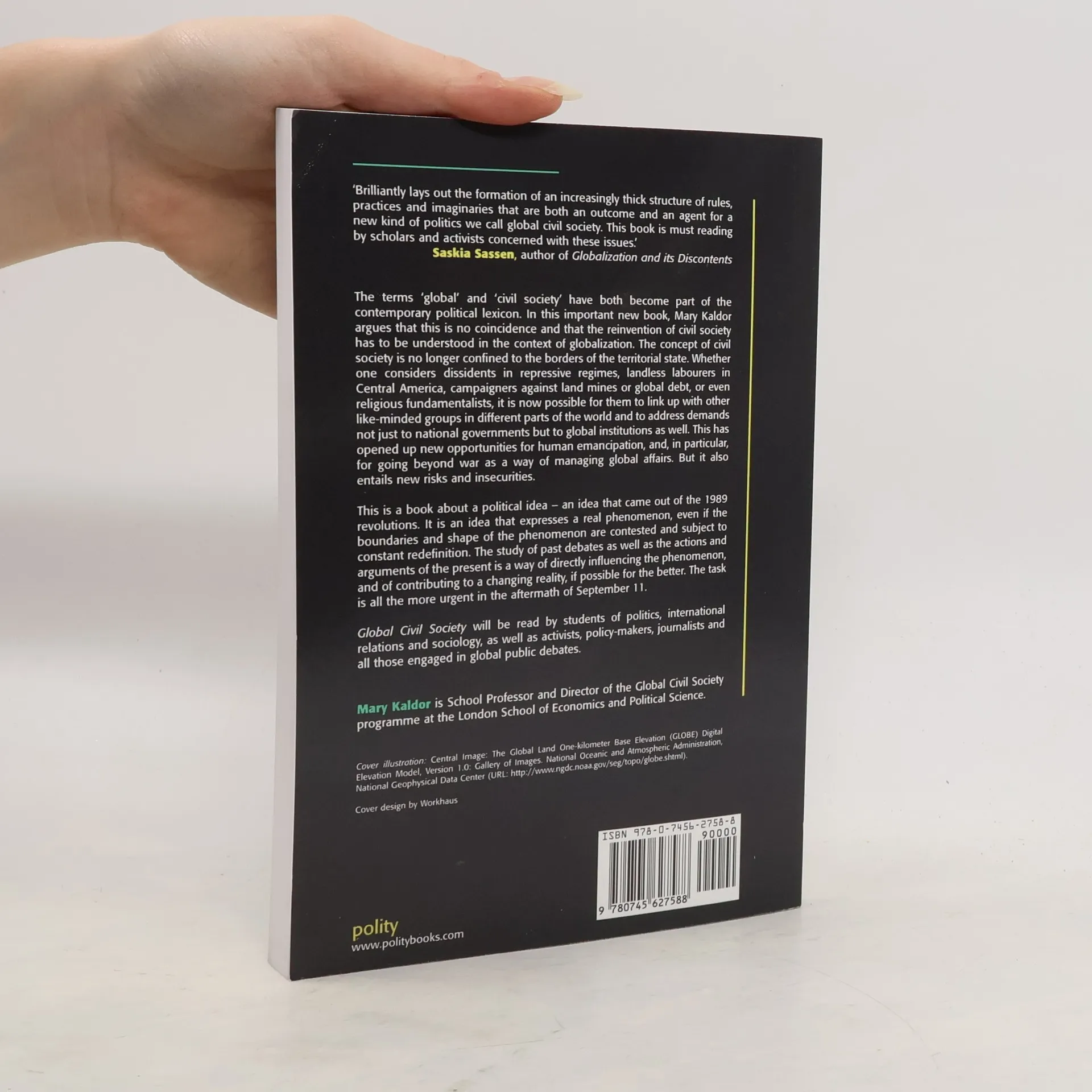
The terms 'global' and 'civil society' have become integral to contemporary political discourse. In this significant work, Mary Kaldor explores the reinvention of civil society within the context of globalization. Civil society now transcends national borders, enabling various groups—such as dissidents in oppressive regimes, landless laborers in Central America, and campaigners against global issues—to connect and address their concerns to both national governments and global institutions. This interconnectedness presents new opportunities for human emancipation and offers alternatives to war in managing global affairs, but it also introduces new risks and insecurities. Kaldor examines a political idea that emerged from the 1989 revolutions, reflecting a real phenomenon that is continually redefined. By studying past debates alongside current actions and arguments, readers can influence this evolving phenomenon and contribute to a potentially better reality. This exploration is particularly urgent in the wake of September 11. The work will resonate with students of politics, international relations, and sociology, as well as activists, policy-makers, journalists, and anyone involved in global public discussions.
Zakup książki
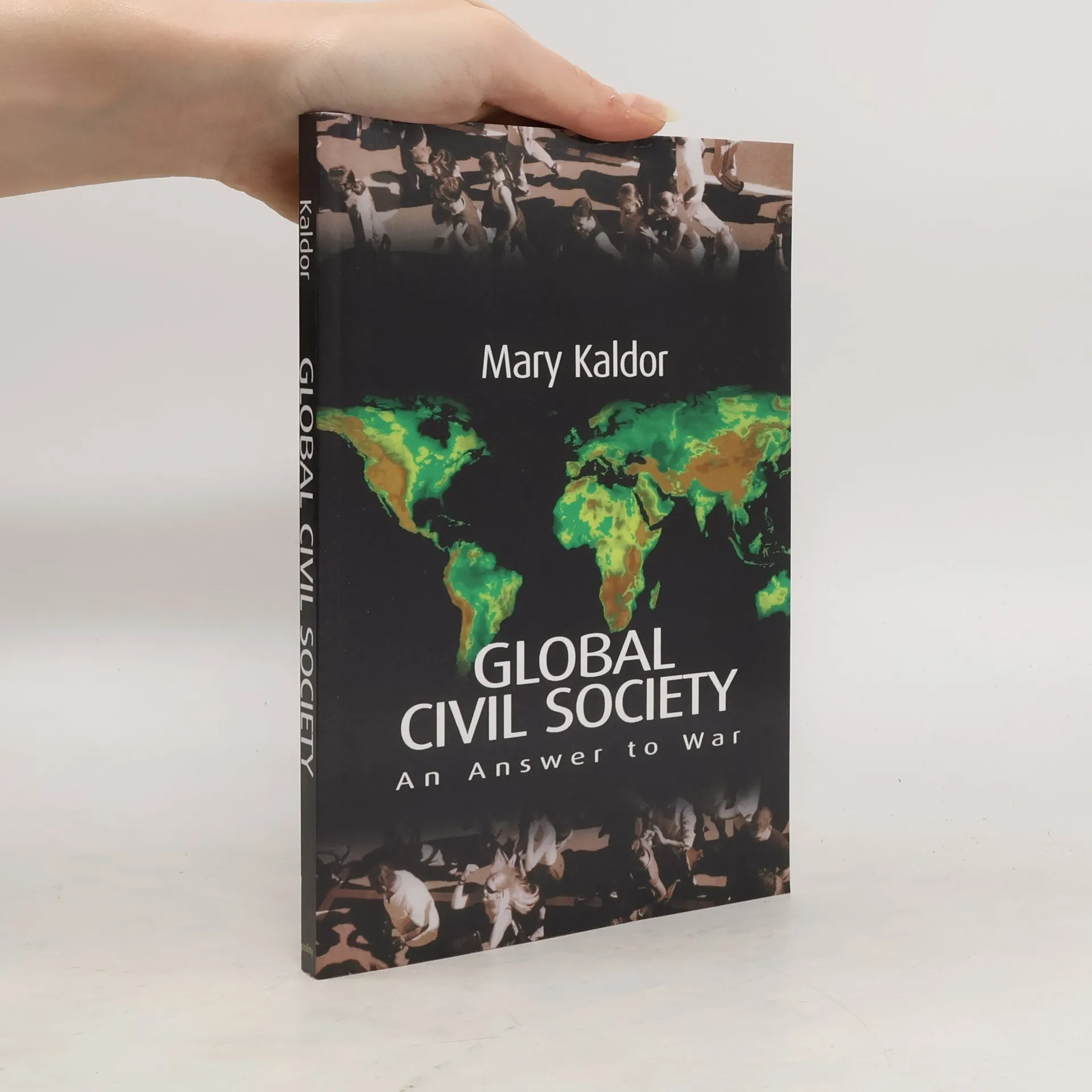
Global civil society : an answer to war, Mary Kaldor
- Język

- Rok wydania
- 2008
- Oprawa
- (miękka)
Metody płatności
Brakuje nam tutaj Twojej recenzji.
- Tytuł
- Global civil society : an answer to war
- Język
- angielski
- Autorzy
- Mary Kaldor
- Wydawca
- Polity
- Rok wydania
- 2008
- Oprawa
- miękka
- Liczba stron
- 200
- ISBN10
- 0745627587
- ISBN13
- 9780745627588
- Seria
- Kategorie
- Tagi
- Ocena
- 3,55 z 5
- Opis
- The terms 'global' and 'civil society' have become integral to contemporary political discourse. In this significant work, Mary Kaldor explores the reinvention of civil society within the context of globalization. Civil society now transcends national borders, enabling various groups—such as dissidents in oppressive regimes, landless laborers in Central America, and campaigners against global issues—to connect and address their concerns to both national governments and global institutions. This interconnectedness presents new opportunities for human emancipation and offers alternatives to war in managing global affairs, but it also introduces new risks and insecurities. Kaldor examines a political idea that emerged from the 1989 revolutions, reflecting a real phenomenon that is continually redefined. By studying past debates alongside current actions and arguments, readers can influence this evolving phenomenon and contribute to a potentially better reality. This exploration is particularly urgent in the wake of September 11. The work will resonate with students of politics, international relations, and sociology, as well as activists, policy-makers, journalists, and anyone involved in global public discussions.