

Więcej o książce
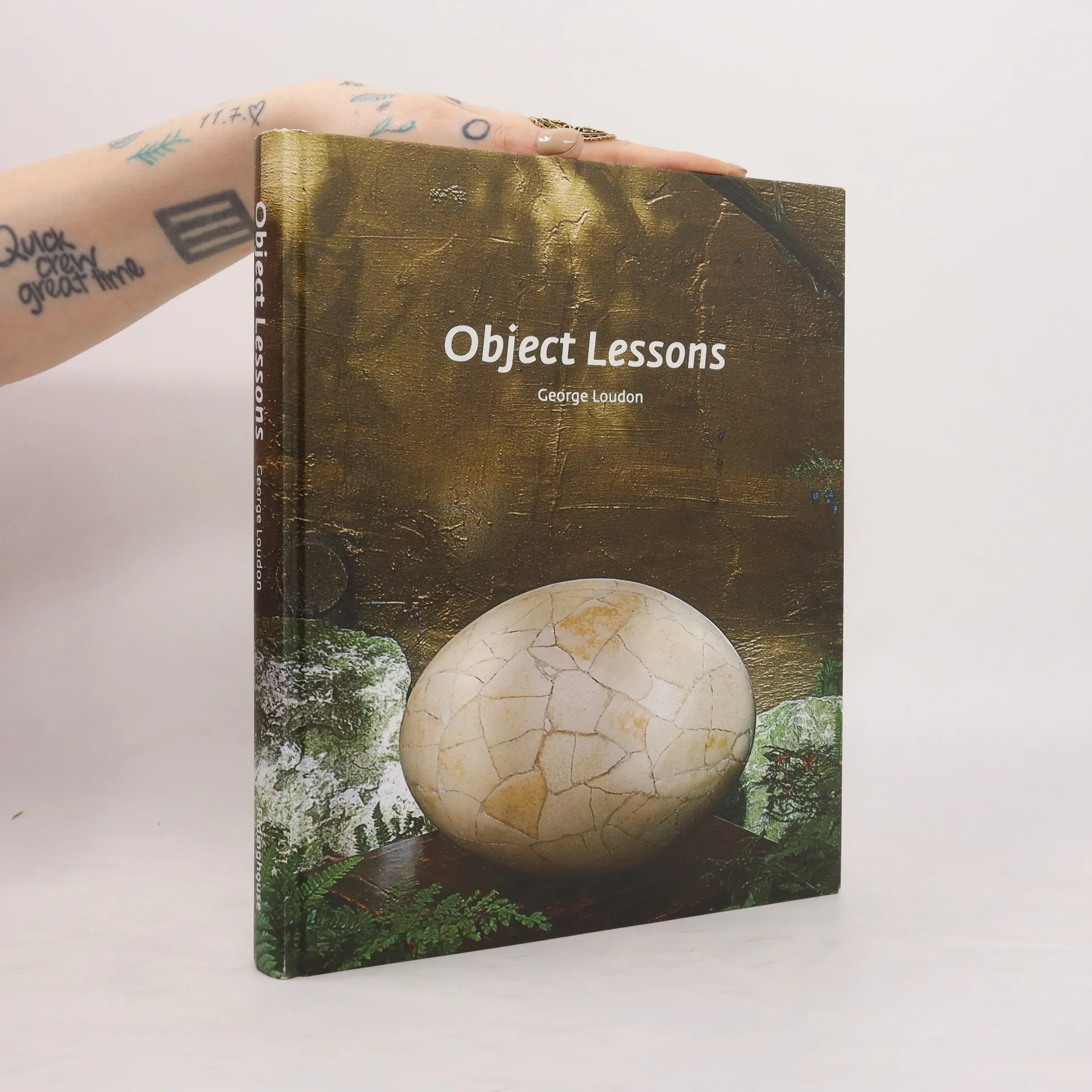
Object Lessons brings together over 200 finely crafted objects, originally designed in the nineteenth century for the study of natural sciences, from the collection of George Loudon. The material, which ranges from botanical species and anatomical models to publications and illustrations, has lost its original pedagogical function and is now open for contemporary reappraisal. In presenting these objects in a new context, their beauty and formal inventiveness - as well as their creators' capacity for artistic expression - can be evaluated and appreciated. Alongside photography by Rosamond Purcell, this volume includes explanatory texts on the objects by Loudon, an essay by Robert McCracken Peck, and a conversation between Loudon and Lynne Cooke. Together they offer insight into a collection that provides a remarkable new perspective on the intersection of art and science.
Zakup książki
Object Lessons, kolektiv
- Język

- Rok wydania
- 2015
- Oprawa
- (twarda)
Metody płatności
Brakuje nam tutaj Twojej recenzji.
- Tytuł
- Object Lessons
- Język
- angielski
- Autorzy
- kolektiv
- Wydawca
- Ridinghouse
- Rok wydania
- 2015
- Oprawa
- twarda
- Liczba stron
- 255
- ISBN10
- 1909932108
- ISBN13
- 9781909932104
- Seria
- Ocena
- 3,65 z 5
- Opis
- Object Lessons brings together over 200 finely crafted objects, originally designed in the nineteenth century for the study of natural sciences, from the collection of George Loudon. The material, which ranges from botanical species and anatomical models to publications and illustrations, has lost its original pedagogical function and is now open for contemporary reappraisal. In presenting these objects in a new context, their beauty and formal inventiveness - as well as their creators' capacity for artistic expression - can be evaluated and appreciated. Alongside photography by Rosamond Purcell, this volume includes explanatory texts on the objects by Loudon, an essay by Robert McCracken Peck, and a conversation between Loudon and Lynne Cooke. Together they offer insight into a collection that provides a remarkable new perspective on the intersection of art and science.