

Więcej o książce
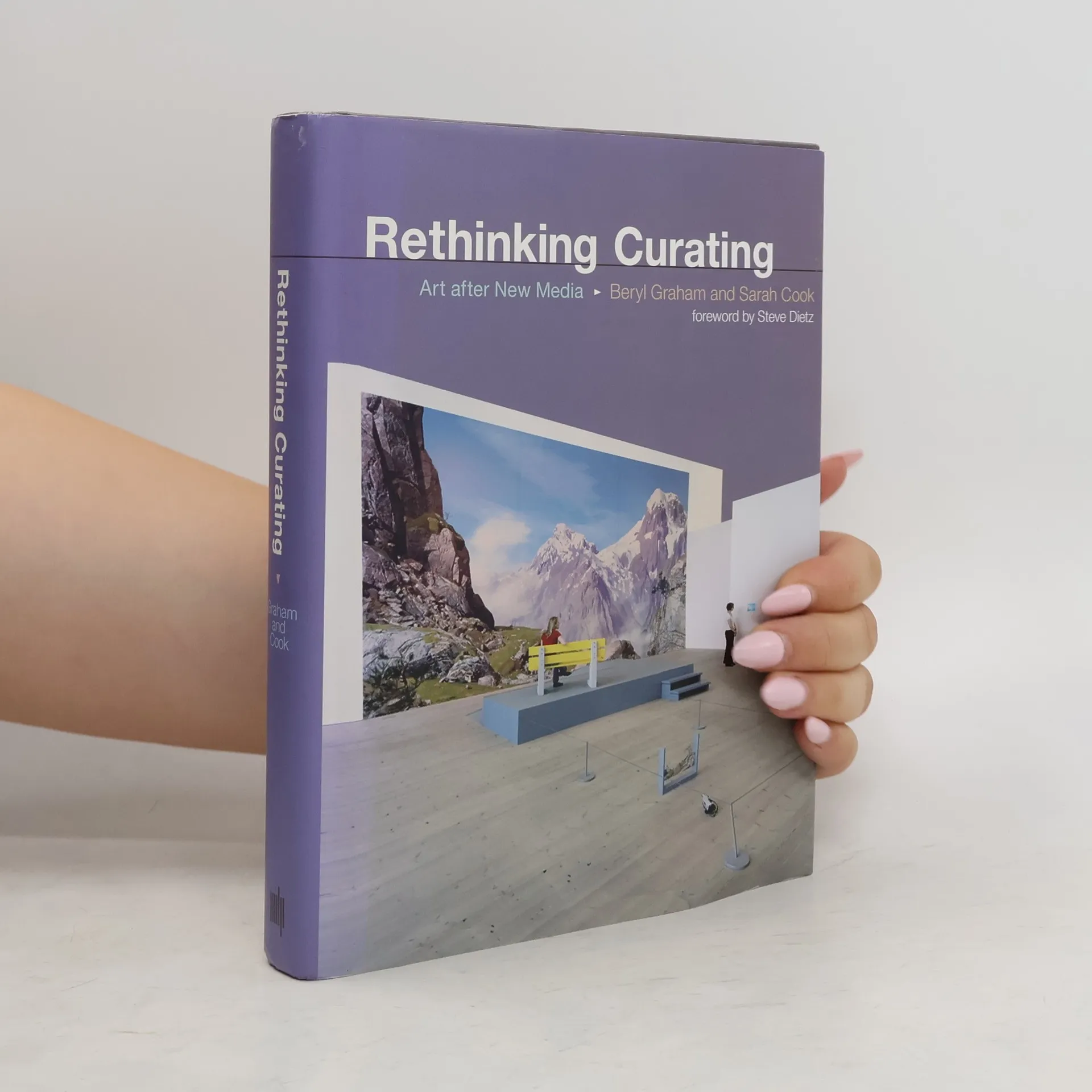
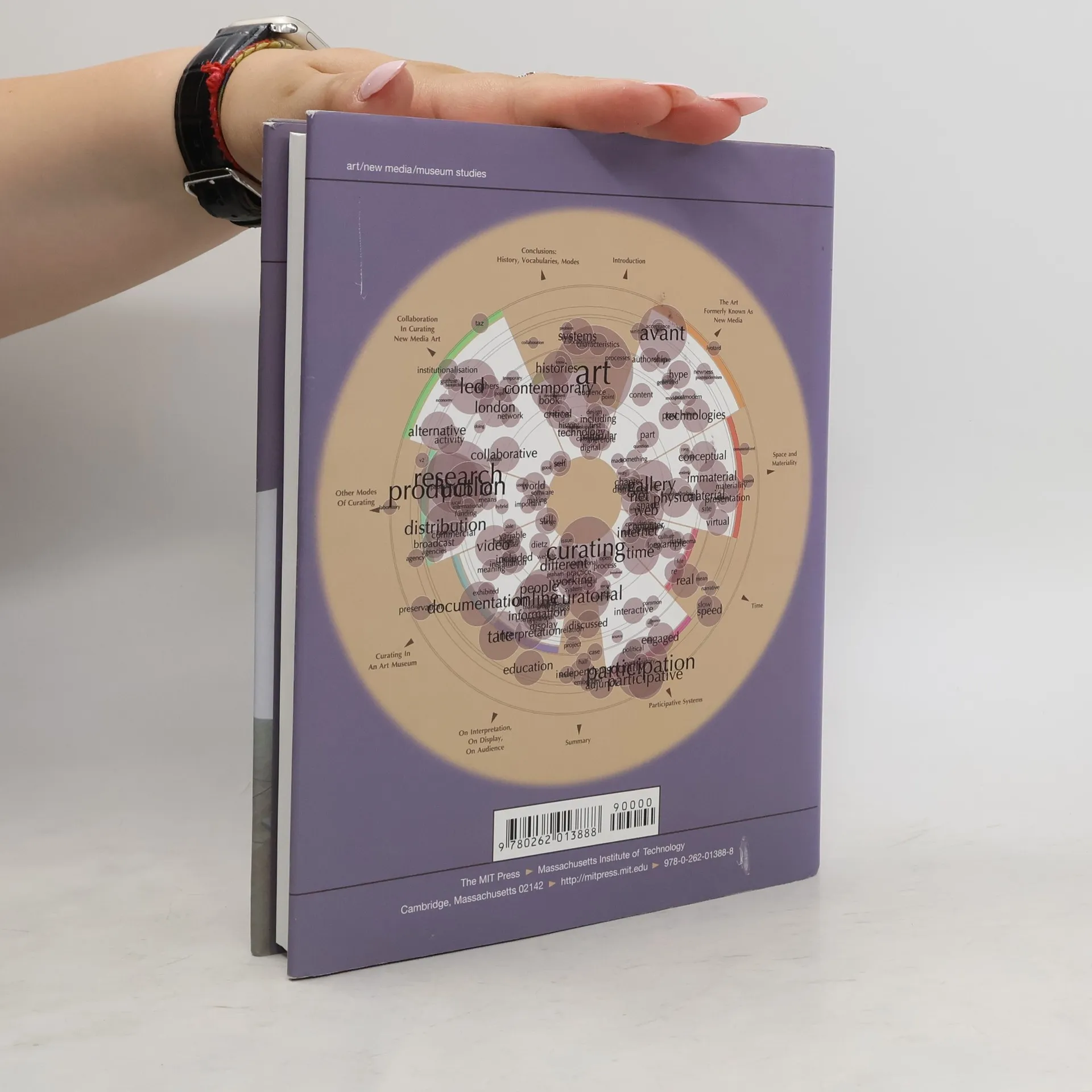
As curator Steve Dietz has observed, new media art is like contemporary art -- but different. New media art involves interactivity, networks, and computation and is often about process rather than objects. New media artworks are difficult to classify according to the traditional art museum categories determined by medium, geography, and chronology and present the curator with novel challenges involving interpretation, exhibition, and dissemination. This book views these challenges as opportunities to rethink curatorial practice. It helps curators of new media art develop a set of flexible tools for working in this fast-moving field, and it offers useful lessons from curators and artists for those working in such other areas of art as distributive and participatory systems. The authors, both of whom have extensive experience as curators, offer numerous examples of artworks and exhibitions to illustrate how the roles of curators and audiences can be redefined in light of new media art's characteristics. Rethinking Curating offers curators a route through the hype around platforms and autonomous zones by following the lead of current artists' practice.
Zakup książki
Rethinking Curating, Beryl Graham, Sarah Cook
- Język

- Rok wydania
- 2010
- Oprawa
- (twarda)
Metody płatności
Brakuje nam tutaj Twojej recenzji.
- Tytuł
- Rethinking Curating
- Podtytuł
- Art After New Media
- Język
- angielski
- Autorzy
- Beryl Graham, Sarah Cook
- Wydawca
- MIT Press
- Rok wydania
- 2010
- Oprawa
- twarda
- Liczba stron
- 376
- ISBN10
- 0262013886
- ISBN13
- 9780262013888
- Seria
- Kategorie
- Tagi
- Sztuka
- Ocena
- 4,05 z 5
- Opis
- As curator Steve Dietz has observed, new media art is like contemporary art -- but different. New media art involves interactivity, networks, and computation and is often about process rather than objects. New media artworks are difficult to classify according to the traditional art museum categories determined by medium, geography, and chronology and present the curator with novel challenges involving interpretation, exhibition, and dissemination. This book views these challenges as opportunities to rethink curatorial practice. It helps curators of new media art develop a set of flexible tools for working in this fast-moving field, and it offers useful lessons from curators and artists for those working in such other areas of art as distributive and participatory systems. The authors, both of whom have extensive experience as curators, offer numerous examples of artworks and exhibitions to illustrate how the roles of curators and audiences can be redefined in light of new media art's characteristics. Rethinking Curating offers curators a route through the hype around platforms and autonomous zones by following the lead of current artists' practice.