

Więcej o książce
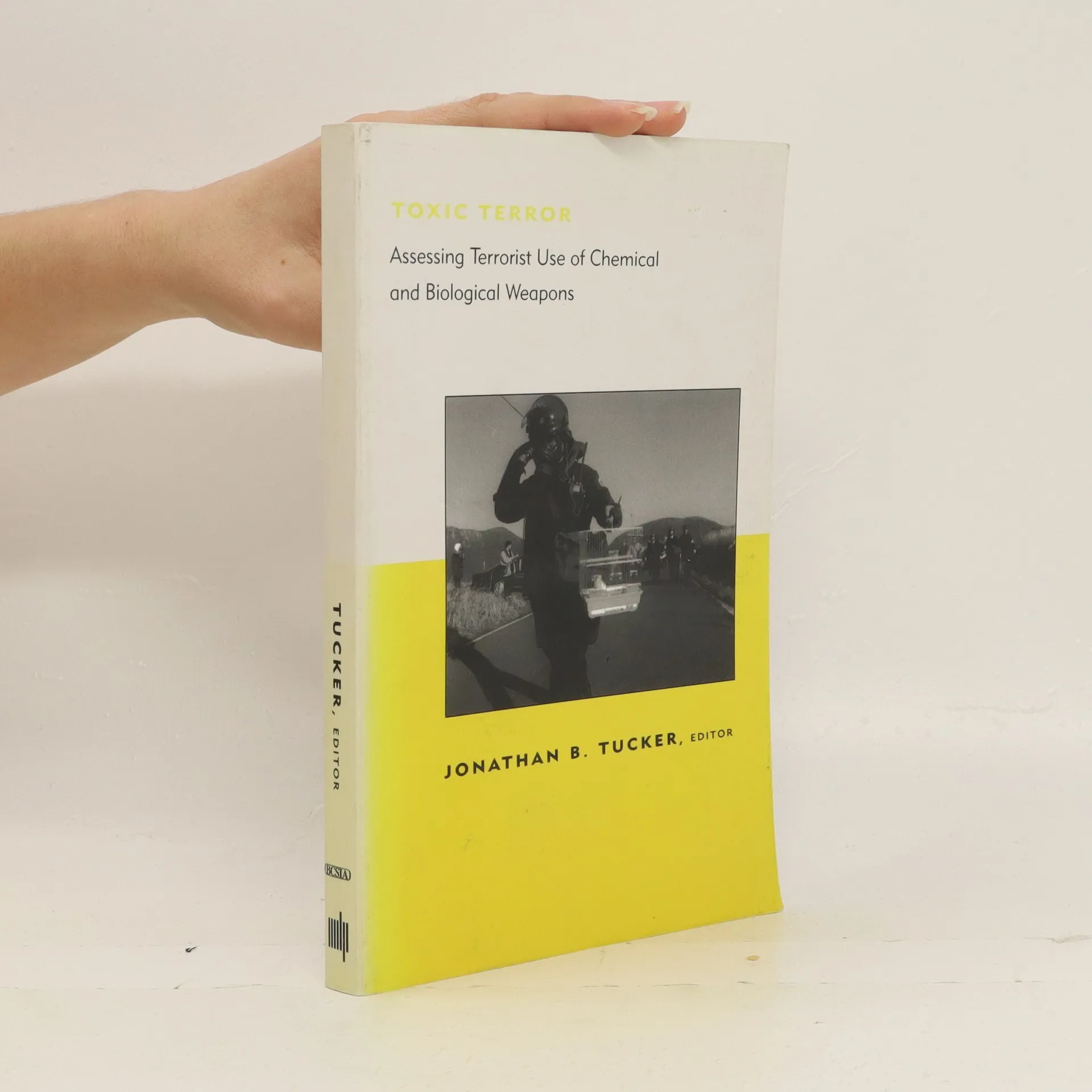
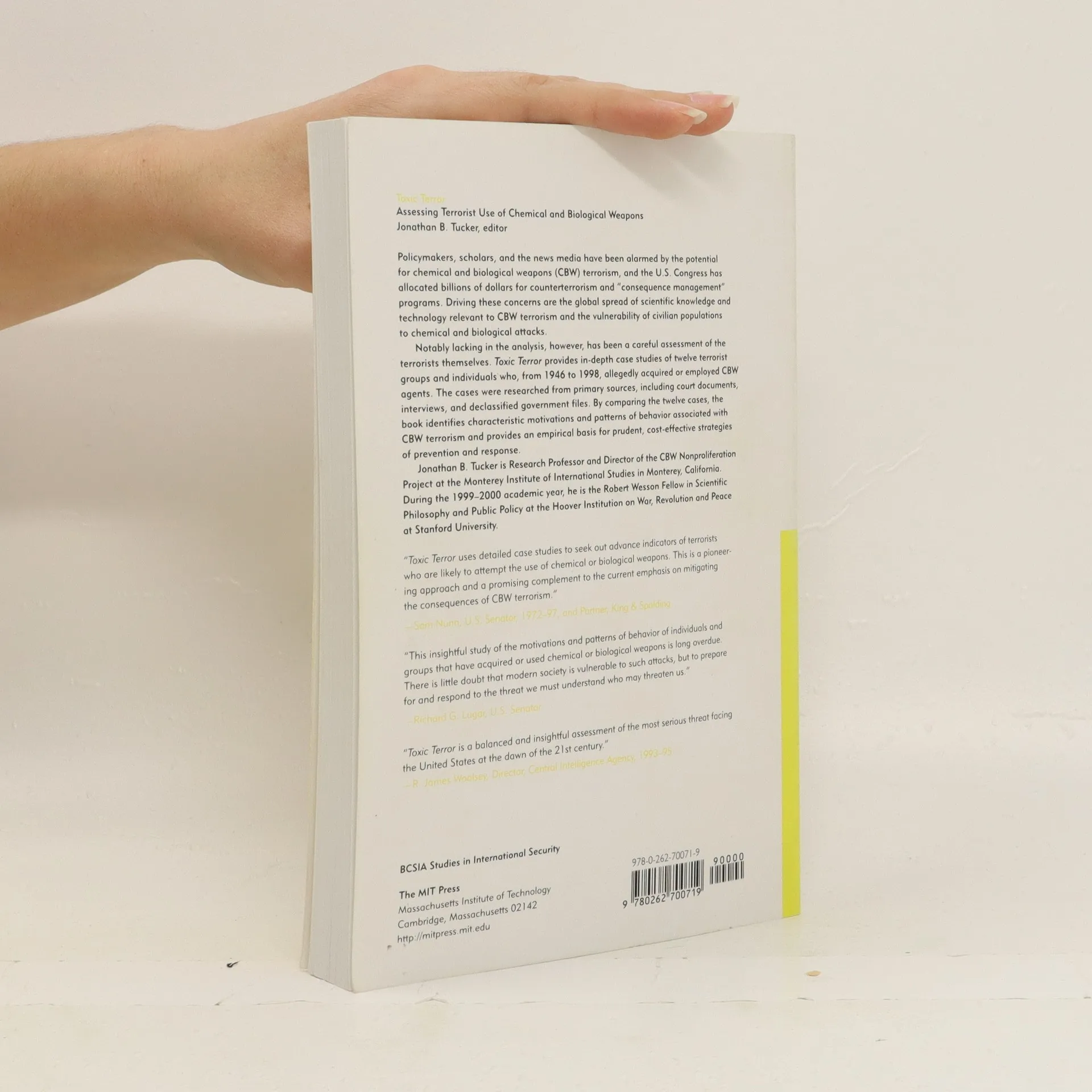
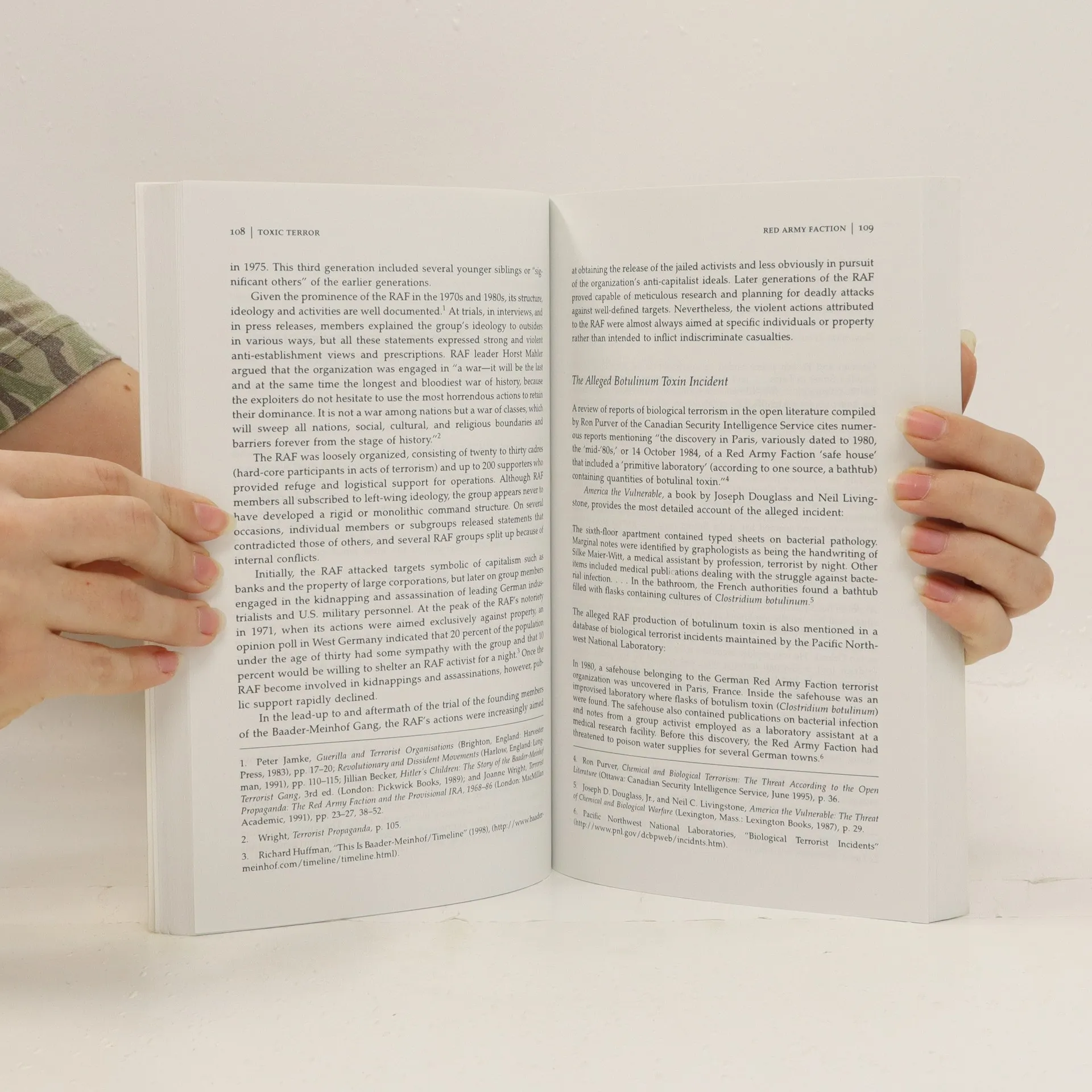
This work presents in-depth case studies of twelve terrorist groups and individuals from 1946 to 1998 who allegedly acquired or used chemical and biological weapons (CBW). Concerns about CBW terrorism have prompted significant funding from the U.S. Congress for counterterrorism and consequence management initiatives. Key drivers of these worries include the global proliferation of scientific knowledge and technology related to CBW and the vulnerability of civilian populations to such attacks. However, there has been a lack of thorough analysis of the terrorists themselves. The book seeks to answer critical questions about which groups or individuals are capable and motivated to use CBW, the types of toxic agents they might produce, and potential delivery methods. By addressing these questions, it aims to equip policymakers with insights for preparing against the most likely scenarios. The case studies are grounded in primary sources, including court documents, interviews, and declassified files. By comparing these twelve cases, the work identifies common motivations and behavioral patterns linked to CBW terrorism, offering an empirical foundation for developing effective prevention and response strategies.
Zakup książki
Toxic terror : assessing terrorist use of chemical and biological weapons, Jonathan B. Tucker
- Język

- Rok wydania
- 2000
- Oprawa
- (miękka)
Metody płatności
Brakuje nam tutaj Twojej recenzji.
- Tytuł
- Toxic terror : assessing terrorist use of chemical and biological weapons
- Język
- angielski
- Autorzy
- Jonathan B. Tucker
- Wydawca
- MIT Press
- Rok wydania
- 2000
- Oprawa
- miękka
- Liczba stron
- 314
- ISBN10
- 0262700719
- ISBN13
- 9780262700719
- Seria
- Tagi
- Polityka, Fikcja wojenna
- Ocena
- 3,8 z 5
- Opis
- This work presents in-depth case studies of twelve terrorist groups and individuals from 1946 to 1998 who allegedly acquired or used chemical and biological weapons (CBW). Concerns about CBW terrorism have prompted significant funding from the U.S. Congress for counterterrorism and consequence management initiatives. Key drivers of these worries include the global proliferation of scientific knowledge and technology related to CBW and the vulnerability of civilian populations to such attacks. However, there has been a lack of thorough analysis of the terrorists themselves. The book seeks to answer critical questions about which groups or individuals are capable and motivated to use CBW, the types of toxic agents they might produce, and potential delivery methods. By addressing these questions, it aims to equip policymakers with insights for preparing against the most likely scenarios. The case studies are grounded in primary sources, including court documents, interviews, and declassified files. By comparing these twelve cases, the work identifies common motivations and behavioral patterns linked to CBW terrorism, offering an empirical foundation for developing effective prevention and response strategies.