


Więcej o książce
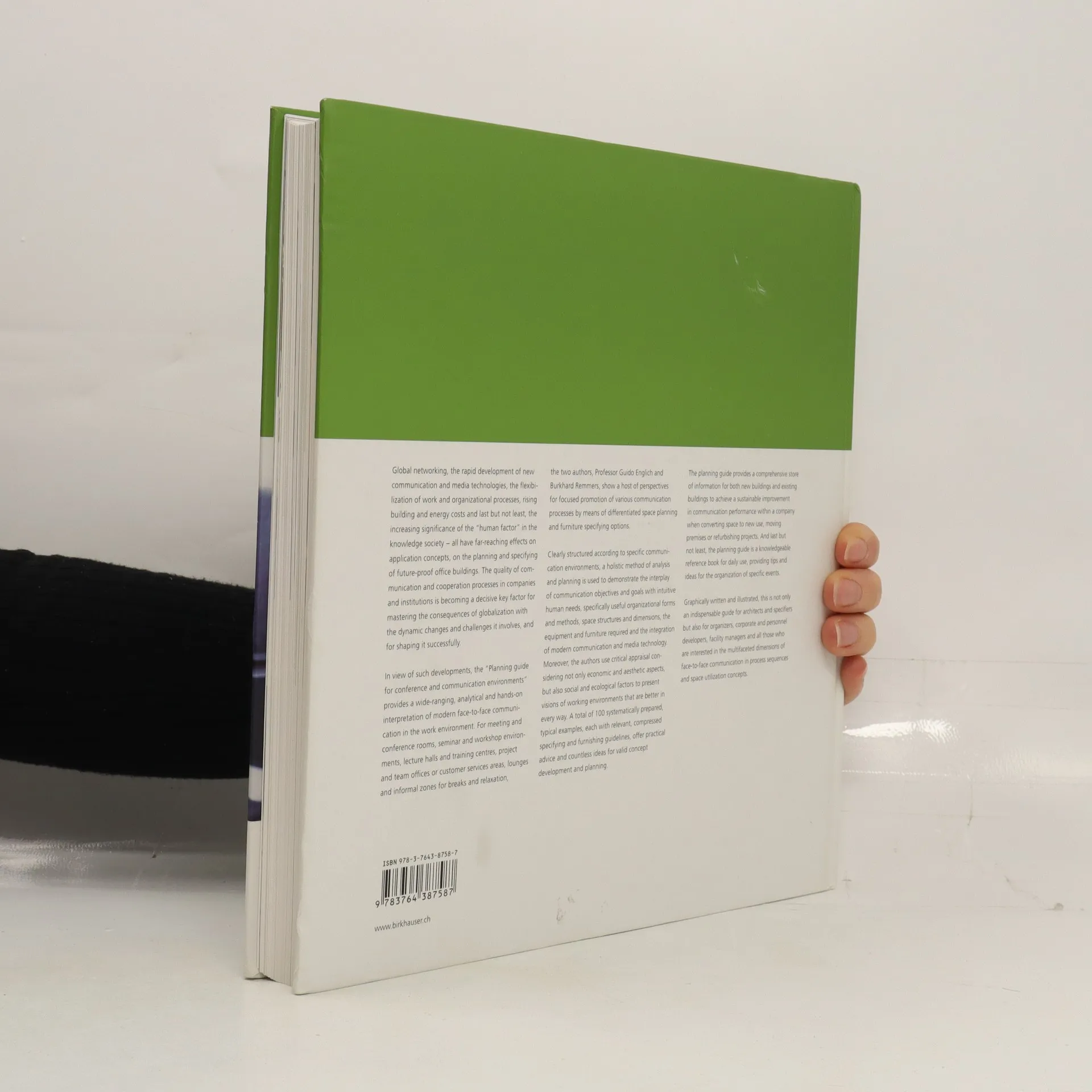
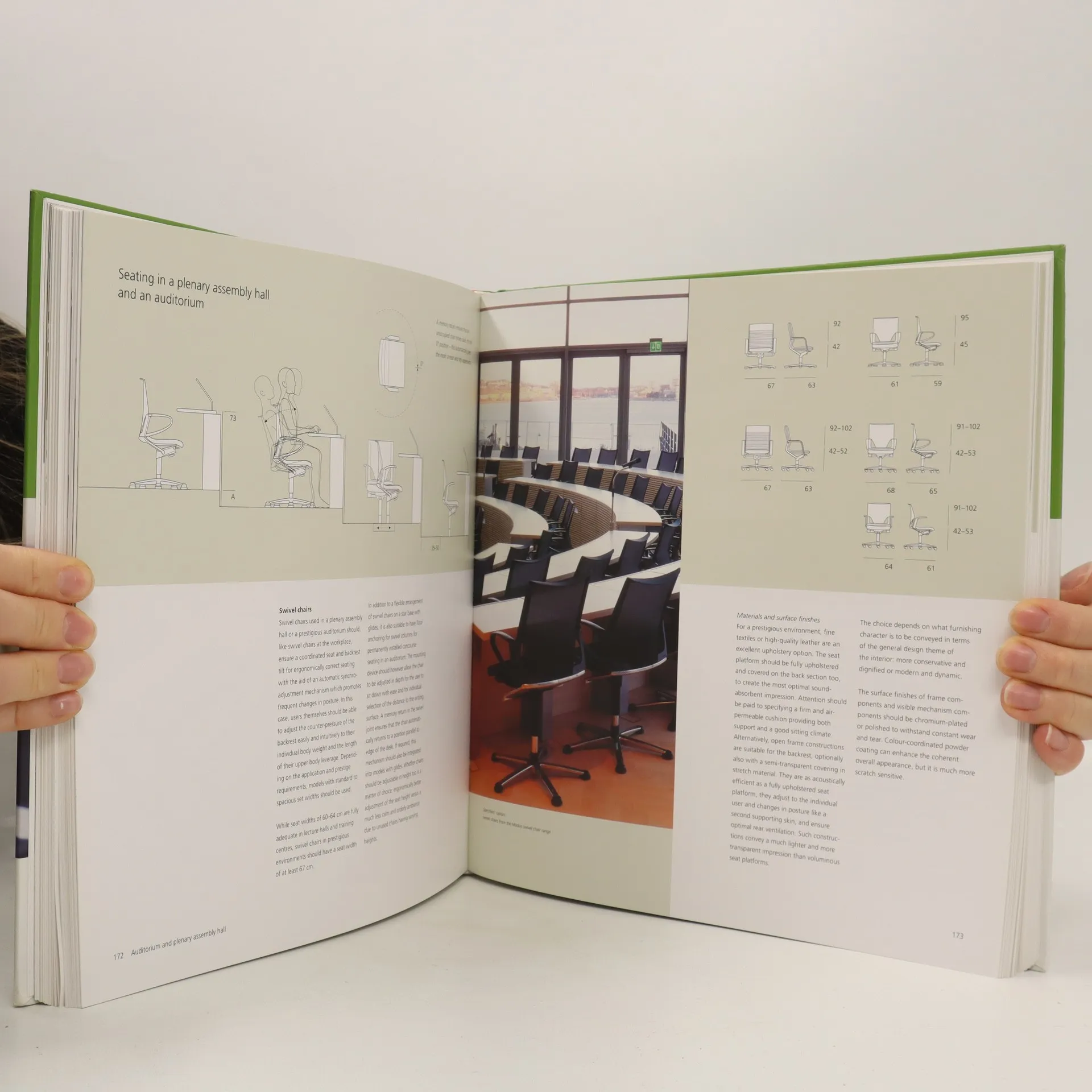
Englich and Remmers provide a comprehensive, analytical, and programmatic introduction to face-to-face communication in the work world. Against the backdrop of globalization, with its dynamic transformations of office environments and worldwide digital networks, they analyze the strategic significance of the various communication processes for organizational and corporate development. They show how the motives and aims of communication, the organizational forms and procedures appropriate in a given case, the size and arrangement of spaces, the required capabilities of furniture and furnishings, and modern communications and media technology all condition and influence one another. Their integrated and user-oriented approach to analysis and planning enables architects, interior designers, and facility managers to foster communication processes, structure them sensibly, and avoid unnecessary friction and needless follow-up costs, all through proper planning.
Zakup książki
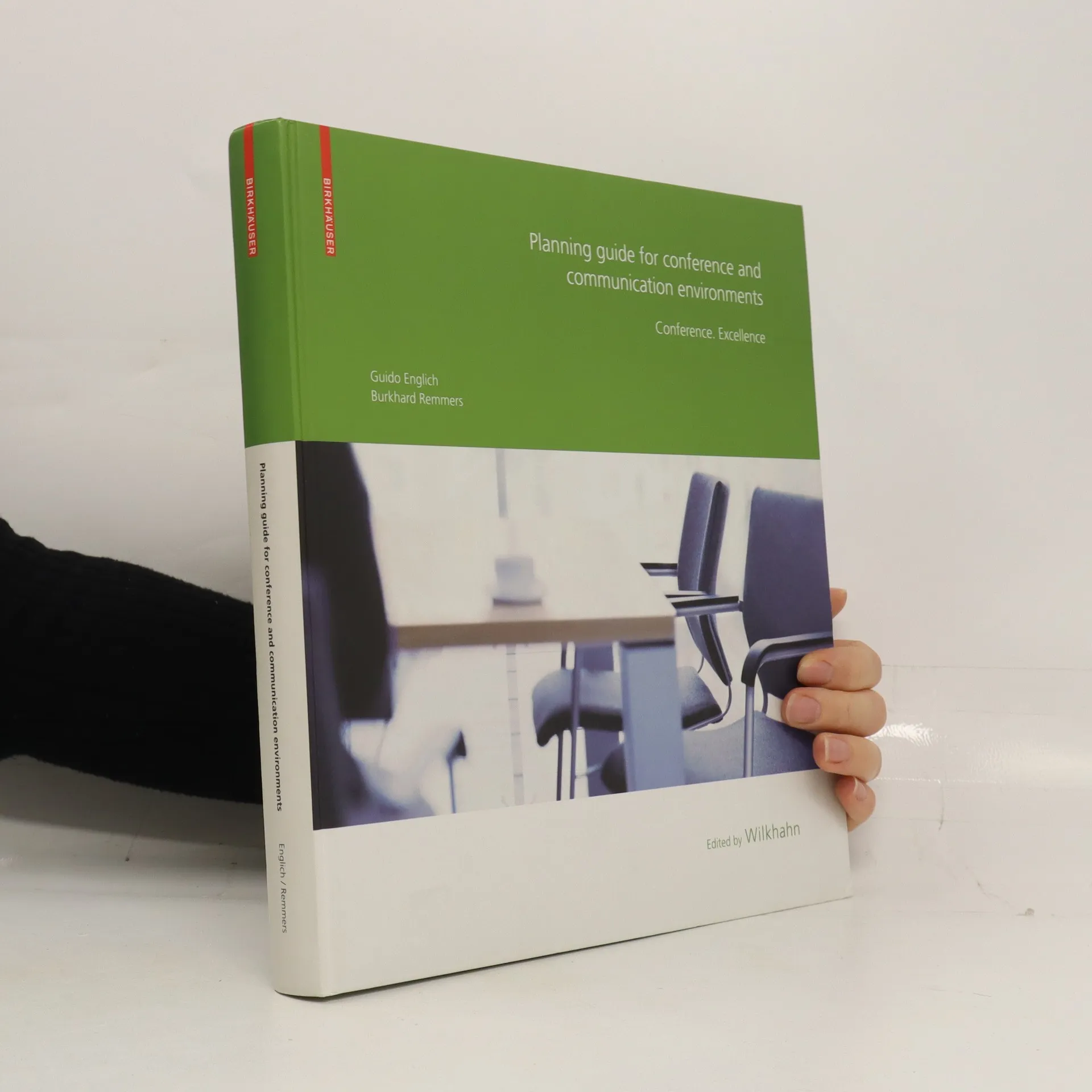
Planning guide for conference and communication environments, Guido Englich, Burkhard Remmers
- Język

- Rok wydania
- 2008
- Oprawa
- (twarda)
Metody płatności
Nikt jeszcze nie ocenił.
- Tytuł
- Planning guide for conference and communication environments
- Język
- angielski
- Autorzy
- Guido Englich, Burkhard Remmers
- Wydawca
- Birkhäuser
- Rok wydania
- 2008
- Oprawa
- twarda
- Liczba stron
- 304
- ISBN10
- 3764387580
- ISBN13
- 9783764387587
- Seria
- Tagi
- Architektura
- Opis
- Englich and Remmers provide a comprehensive, analytical, and programmatic introduction to face-to-face communication in the work world. Against the backdrop of globalization, with its dynamic transformations of office environments and worldwide digital networks, they analyze the strategic significance of the various communication processes for organizational and corporate development. They show how the motives and aims of communication, the organizational forms and procedures appropriate in a given case, the size and arrangement of spaces, the required capabilities of furniture and furnishings, and modern communications and media technology all condition and influence one another. Their integrated and user-oriented approach to analysis and planning enables architects, interior designers, and facility managers to foster communication processes, structure them sensibly, and avoid unnecessary friction and needless follow-up costs, all through proper planning.