


Więcej o książce
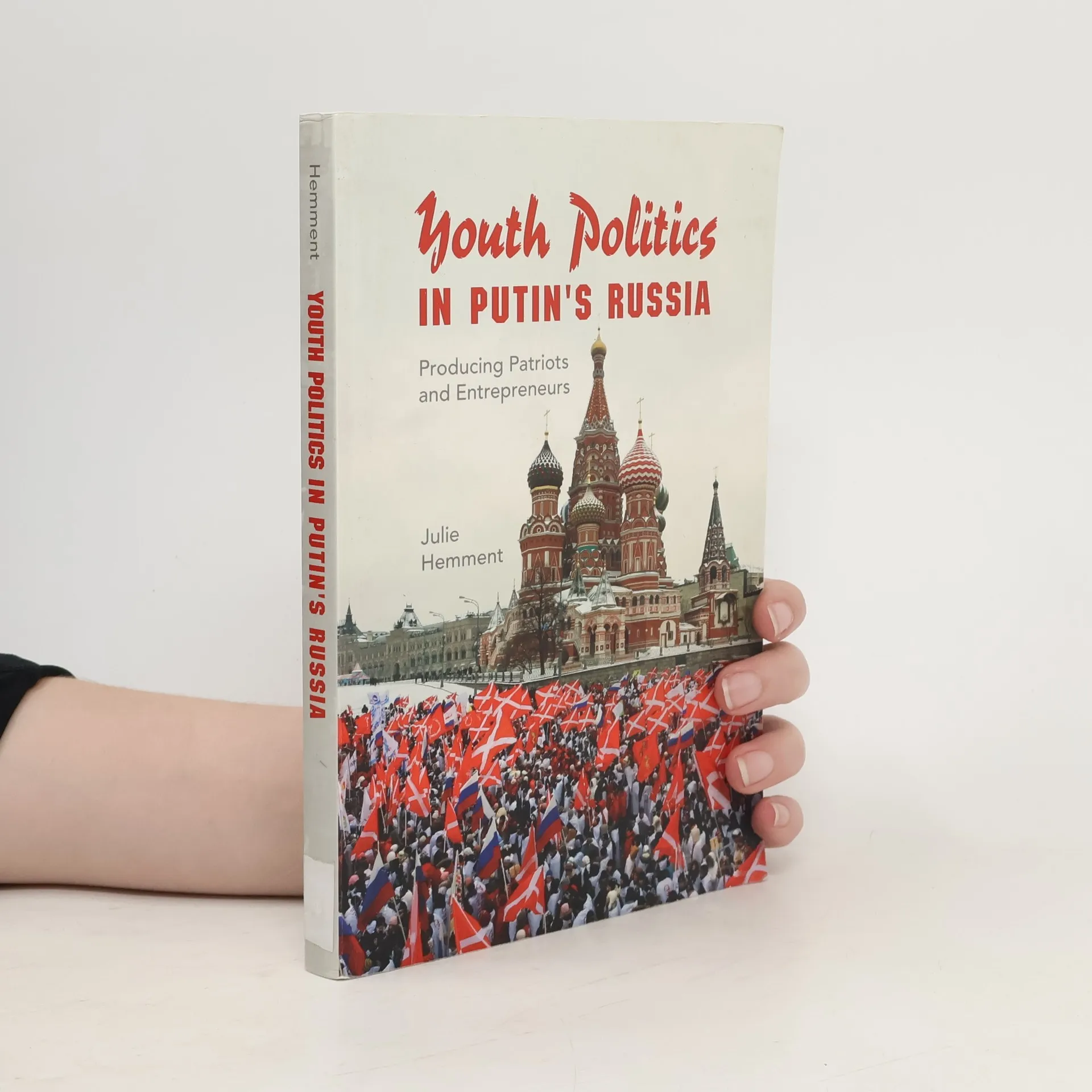
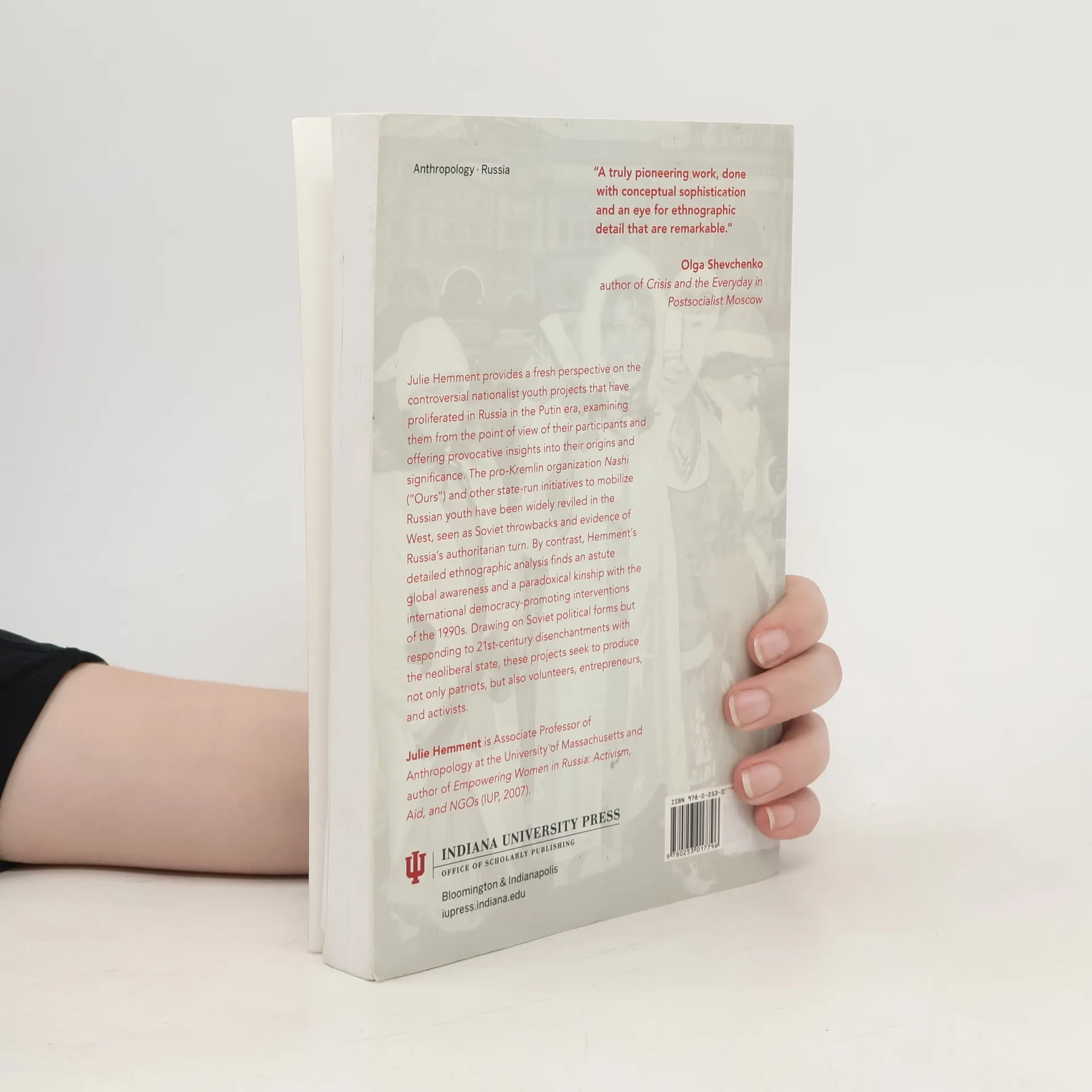
Julie Hemment provides a fresh perspective on the controversial nationalist youth projects that have proliferated in Russia in the Putin era, examining them from the point of view of their participants and offering provocative insights into their origins and significance. The pro-Kremlin organization Nashi ("Ours") and other state-run initiatives to mobilize Russian youth have been widely reviled in the West, seen as Soviet throwbacks and evidence of Russia's authoritarian turn. By contrast, Hemment's detailed ethnographic analysis finds an astute global awareness and a paradoxical kinship with the international democracy-promoting interventions of the 1990s. Drawing on Soviet political forms but responding to 21st-century disenchantments with the neoliberal state, these projects seek to produce not only patriots, but also volunteers, entrepreneurs, and activists.
Zakup książki
Youth Politics in Putin's Russia, Julie Hemment
- Język

- Rok wydania
- 2015
- Oprawa
- (miękka)
Metody płatności
Brakuje nam tutaj Twojej recenzji.
- Tytuł
- Youth Politics in Putin's Russia
- Język
- angielski
- Autorzy
- Julie Hemment
- Wydawca
- Indiana University Press
- Rok wydania
- 2015
- Oprawa
- miękka
- Liczba stron
- 276
- ISBN10
- 0253017793
- ISBN13
- 9780253017796
- Seria
- Ocena
- 3,3 z 5
- Opis
- Julie Hemment provides a fresh perspective on the controversial nationalist youth projects that have proliferated in Russia in the Putin era, examining them from the point of view of their participants and offering provocative insights into their origins and significance. The pro-Kremlin organization Nashi ("Ours") and other state-run initiatives to mobilize Russian youth have been widely reviled in the West, seen as Soviet throwbacks and evidence of Russia's authoritarian turn. By contrast, Hemment's detailed ethnographic analysis finds an astute global awareness and a paradoxical kinship with the international democracy-promoting interventions of the 1990s. Drawing on Soviet political forms but responding to 21st-century disenchantments with the neoliberal state, these projects seek to produce not only patriots, but also volunteers, entrepreneurs, and activists.