

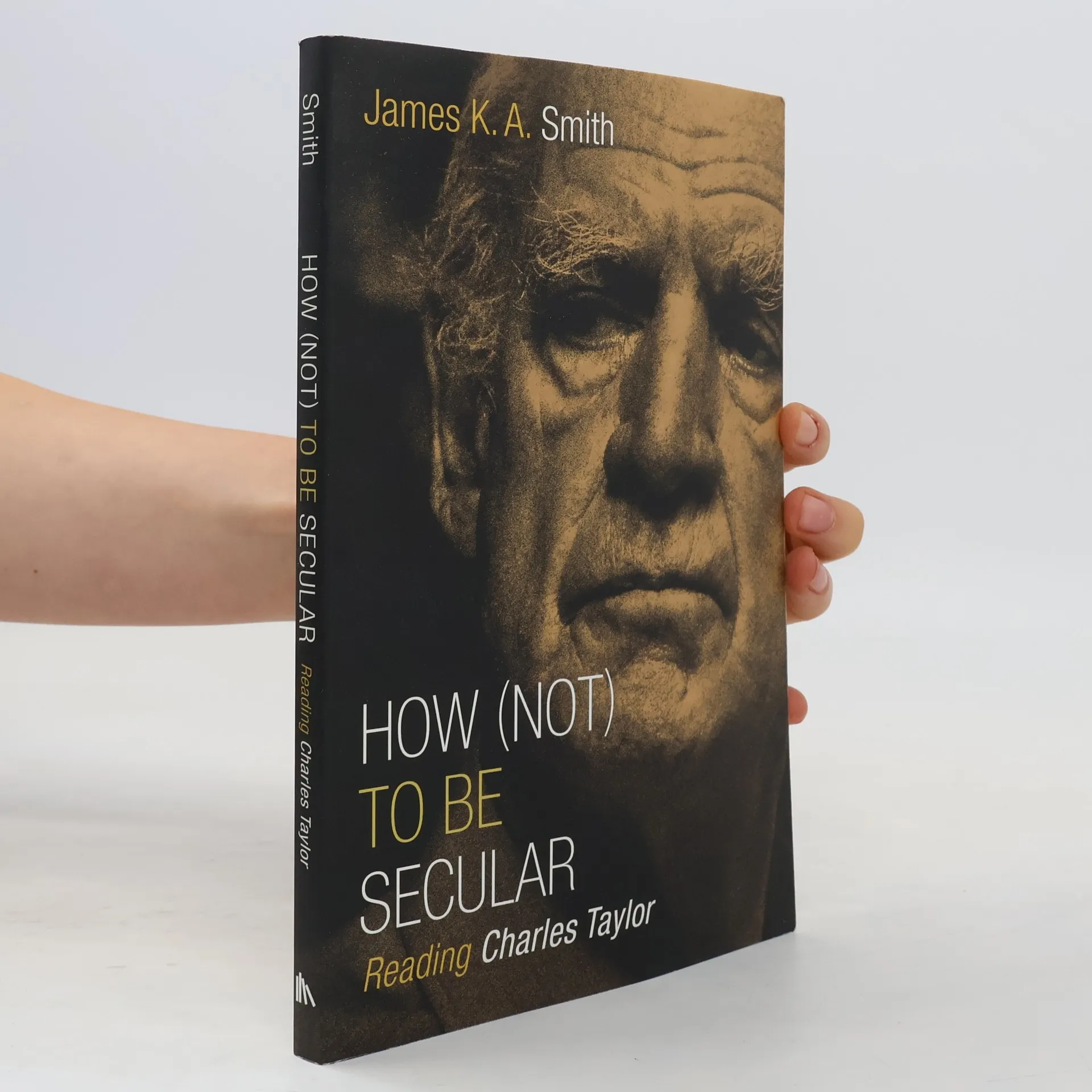
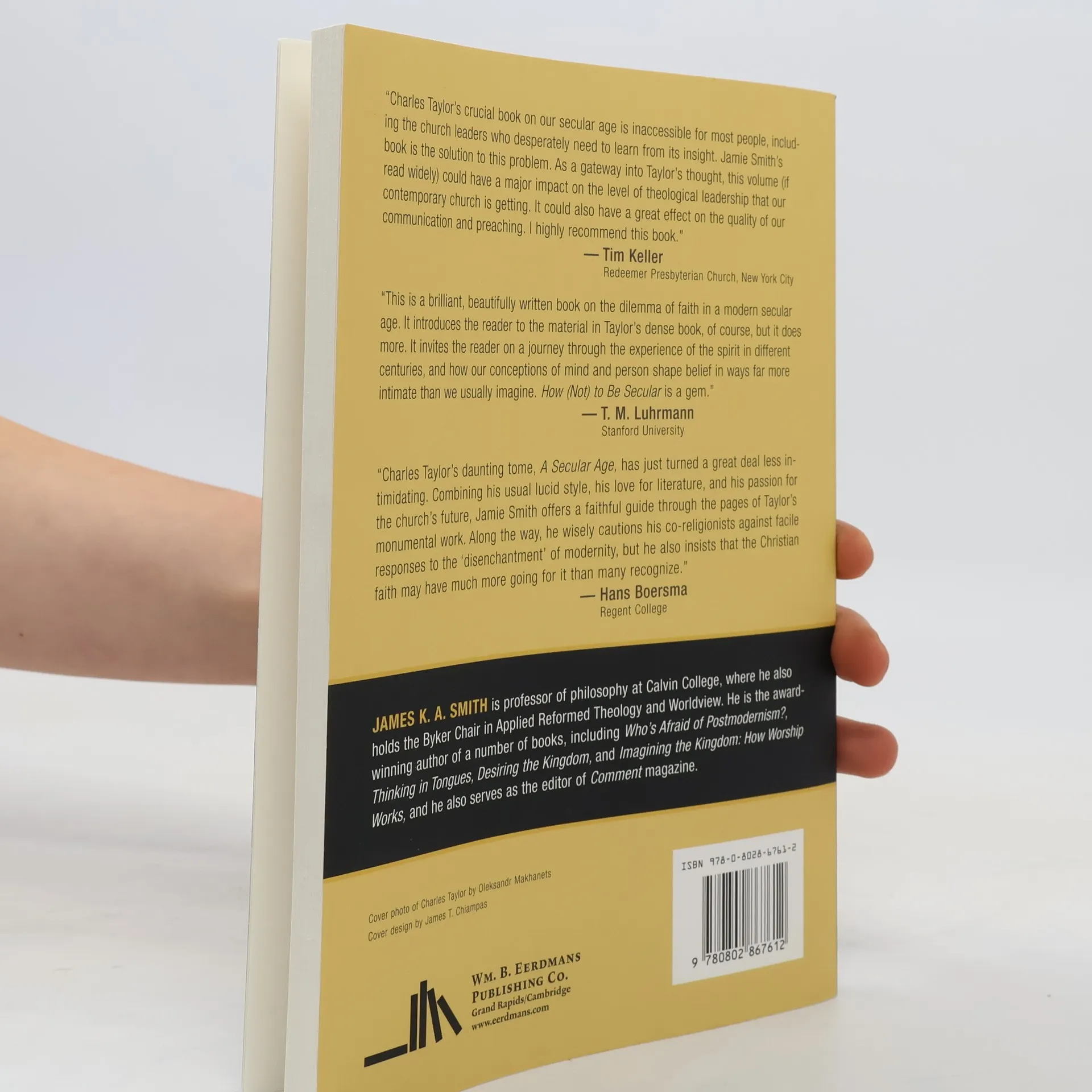
Więcej o książce
How (Not) to Be Secular is what Jamie Smith calls "your hitchhiker's guide to the present" -- it is both a reading guide to Charles Taylor's monumental work A Secular Age and philosophical guidance on how we might learn to live in our times. Taylor's landmark book A Secular Age (2007) provides a monumental, incisive analysis of what it means to live in the post-Christian present -- a pluralist world of competing beliefs and growing unbelief. Jamie Smith's book is a compact field guide to Taylor's insightful study of the secular, making that very significant but daunting work accessible to a wide array of readers. Even more, though, Smith's How (Not) to Be Secular is a practical philosophical guidebook, a kind of how-to manual on how to live in our secular age. It ultimately offers us an adventure in self-understanding and maps out a way to get our bearings in today's secular culture, no matter who "we" are -- whether believers or skeptics, devout or doubting, self-assured or puzzled and confused. This is a book for any thinking person to chew on.
Zakup książki
How (Not) to be Secular, James Smith
- Język

- Rok wydania
- 2014
- Oprawa
- (miękka)
Metody płatności
Brakuje nam tutaj Twojej recenzji.
- Tytuł
- How (Not) to be Secular
- Język
- angielski
- Autorzy
- James Smith
- Rok wydania
- 2014
- Oprawa
- miękka
- Liczba stron
- 160
- ISBN10
- 0802867618
- ISBN13
- 9780802867612
- Seria
- Tagi
- Tematy religijne, Tematyka filozoficzna, Tematy chrześcijańskie, Teologia, Kultura & Społeczeństwo
- Ocena
- 4,2 z 5
- Opis
- How (Not) to Be Secular is what Jamie Smith calls "your hitchhiker's guide to the present" -- it is both a reading guide to Charles Taylor's monumental work A Secular Age and philosophical guidance on how we might learn to live in our times. Taylor's landmark book A Secular Age (2007) provides a monumental, incisive analysis of what it means to live in the post-Christian present -- a pluralist world of competing beliefs and growing unbelief. Jamie Smith's book is a compact field guide to Taylor's insightful study of the secular, making that very significant but daunting work accessible to a wide array of readers. Even more, though, Smith's How (Not) to Be Secular is a practical philosophical guidebook, a kind of how-to manual on how to live in our secular age. It ultimately offers us an adventure in self-understanding and maps out a way to get our bearings in today's secular culture, no matter who "we" are -- whether believers or skeptics, devout or doubting, self-assured or puzzled and confused. This is a book for any thinking person to chew on.