

Więcej o książce
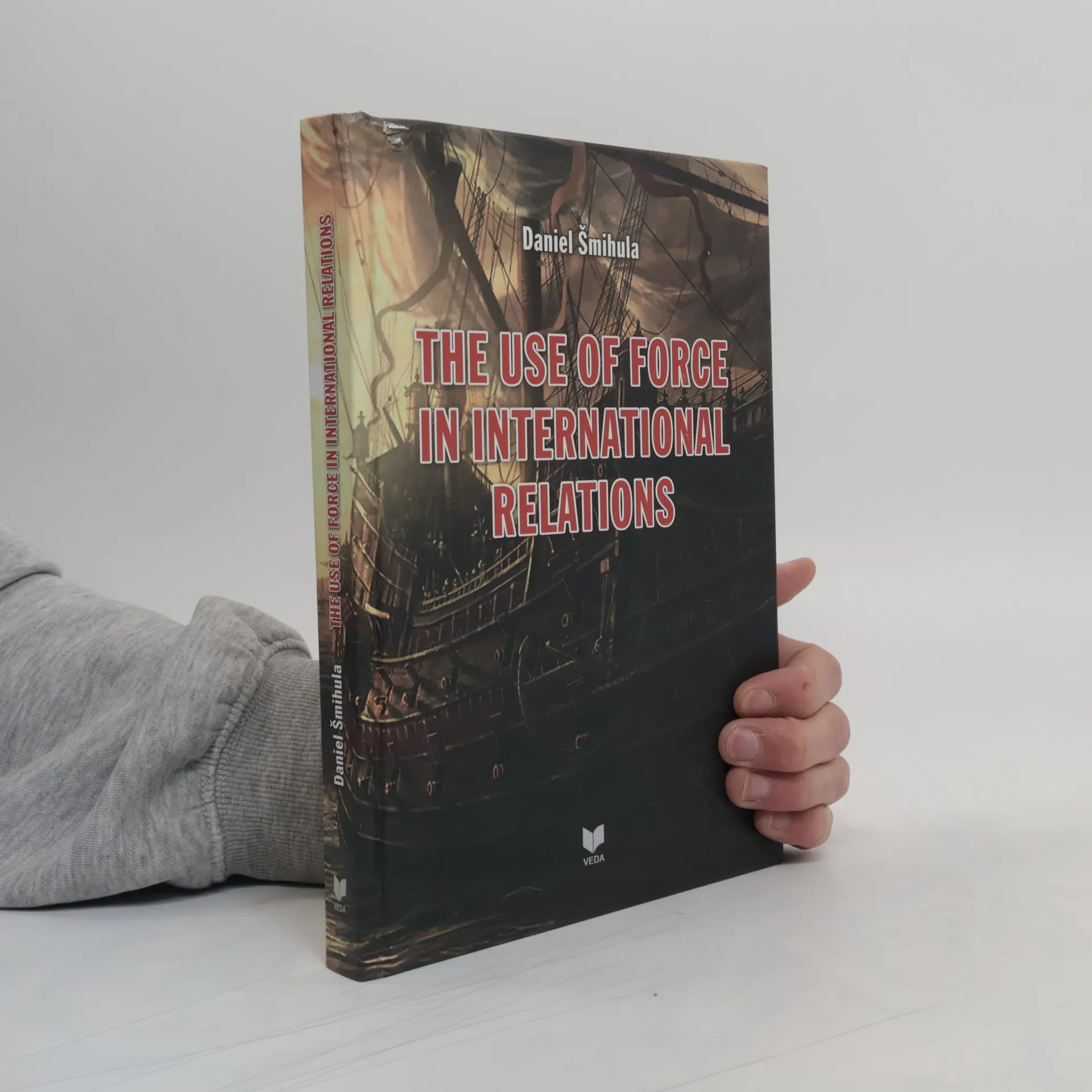
This book, a translation of the original Slovak edition from 2007, includes contemporary commentaries in italics within the footnotes. It posits that violence is inherent to human nature as a biological species, with a particular emphasis on collective violence, such as war and genocide, often glorified by culture. This collective violence has historically served as an effective mechanism in the selective evolution of civilization. Successful nations are those that can maintain peace while also being prepared to engage in brutal conflict when necessary. Military capabilities and their deployment are crucial for survival and serve as benchmarks for state power comparison. Consequently, the use of force remains a constant element in international relations, often as a potential threat. The book also addresses the complexities of legally regulating warfare, noting that comprehensive regulation is challenging due to the serious stakes involved. It discusses factors that can temper warlike tendencies and decrease the likelihood of conflict. Ultimately, the author emphasizes that violence, whether through direct force or threats, will persist in international relations. Prosperous communities must strive for peace and development while also being prepared to wage war if needed.
Zakup książki
The use of force in international relations, kolektiv
- Język

- Rok wydania
- 2014
- Oprawa
- (twarda)
Metody płatności
Nikt jeszcze nie ocenił.
- Tytuł
- The use of force in international relations
- Język
- angielski
- Autorzy
- kolektiv
- Wydawca
- Veda
- Rok wydania
- 2014
- Oprawa
- twarda
- Liczba stron
- 309
- ISBN10
- 8022413410
- ISBN13
- 9788022413411
- Seria
- Opis
- This book, a translation of the original Slovak edition from 2007, includes contemporary commentaries in italics within the footnotes. It posits that violence is inherent to human nature as a biological species, with a particular emphasis on collective violence, such as war and genocide, often glorified by culture. This collective violence has historically served as an effective mechanism in the selective evolution of civilization. Successful nations are those that can maintain peace while also being prepared to engage in brutal conflict when necessary. Military capabilities and their deployment are crucial for survival and serve as benchmarks for state power comparison. Consequently, the use of force remains a constant element in international relations, often as a potential threat. The book also addresses the complexities of legally regulating warfare, noting that comprehensive regulation is challenging due to the serious stakes involved. It discusses factors that can temper warlike tendencies and decrease the likelihood of conflict. Ultimately, the author emphasizes that violence, whether through direct force or threats, will persist in international relations. Prosperous communities must strive for peace and development while also being prepared to wage war if needed.