



Więcej o książce
"Classical works have for us become covered with the glassy armor of familiarity," wrote Victor Shklovsky in 1914. Kristin Thompson "defamiliarizes" readers with eleven films, showcasing the flexibility of the neoformalist approach she developed in her earlier work. She critiques the tendency of critics to apply rigid methods to films that easily conform to those frameworks. In contrast, neoformalism encourages a unique analysis for each film, prompting continual modification of analytical assumptions. Thompson’s varied and insightful analyses range from the ordinary Hollywood film, Terror by Night, to masterpieces like Late Spring and Lancelot du Lac. She introduces a formal historical perspective on realism, exemplified by Bicycle Thieves and The Rules of the Game. Other chapters explore how classical cinema can subvert its conventions, as seen in Stage Fright and Laura, which play with audience expectations. Additionally, she examines Tati's Les Vacances de Monsieur Hulot and Play Time, alongside Godard's Tout va bien and Sauve qui peut (la vie). While neoformalist analysis is rigorous, it remains accessible, allowing readers to engage with individual essays on specific films. Ultimately, the work aims to offer new perspectives on cinema as a whole, beyond simply enhancing the understanding of these particular films.
Zakup książki
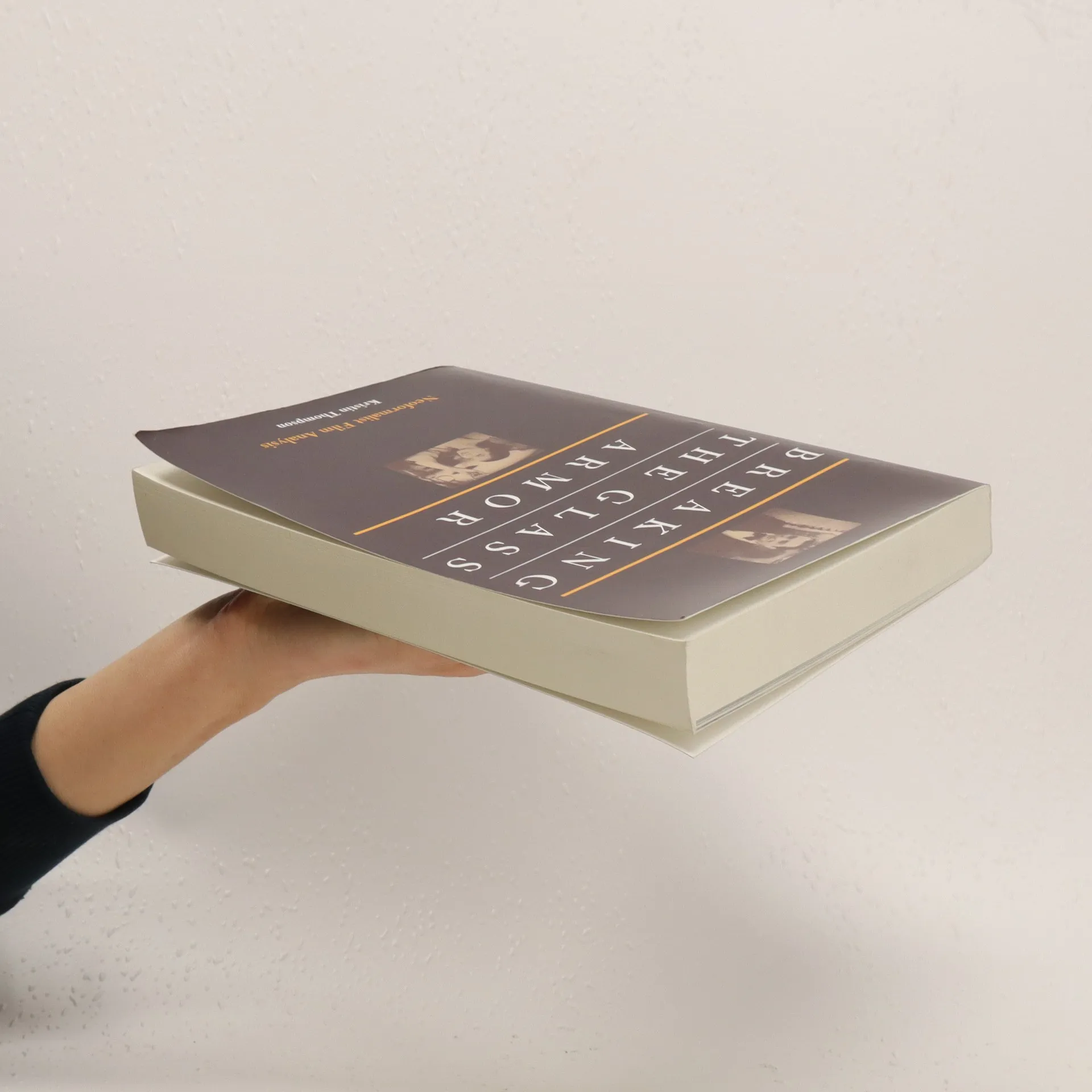
Breaking the Glass Armor, Kristin Thompson
- Język

- Rok wydania
- 1988
- Oprawa
- (miękka)
Metody płatności
Brakuje nam tutaj Twojej recenzji.
- Tytuł
- Breaking the Glass Armor
- Język
- angielski
- Autorzy
- Kristin Thompson
- Wydawca
- Princeton University Press
- Rok wydania
- 1988
- Oprawa
- miękka
- Liczba stron
- 376
- ISBN10
- 0691014531
- ISBN13
- 9780691014531
- Seria
- Tagi
- Tematyka filmowa
- Ocena
- 4,2 z 5
- Opis
- "Classical works have for us become covered with the glassy armor of familiarity," wrote Victor Shklovsky in 1914. Kristin Thompson "defamiliarizes" readers with eleven films, showcasing the flexibility of the neoformalist approach she developed in her earlier work. She critiques the tendency of critics to apply rigid methods to films that easily conform to those frameworks. In contrast, neoformalism encourages a unique analysis for each film, prompting continual modification of analytical assumptions. Thompson’s varied and insightful analyses range from the ordinary Hollywood film, Terror by Night, to masterpieces like Late Spring and Lancelot du Lac. She introduces a formal historical perspective on realism, exemplified by Bicycle Thieves and The Rules of the Game. Other chapters explore how classical cinema can subvert its conventions, as seen in Stage Fright and Laura, which play with audience expectations. Additionally, she examines Tati's Les Vacances de Monsieur Hulot and Play Time, alongside Godard's Tout va bien and Sauve qui peut (la vie). While neoformalist analysis is rigorous, it remains accessible, allowing readers to engage with individual essays on specific films. Ultimately, the work aims to offer new perspectives on cinema as a whole, beyond simply enhancing the understanding of these particular films.