



Więcej o książce
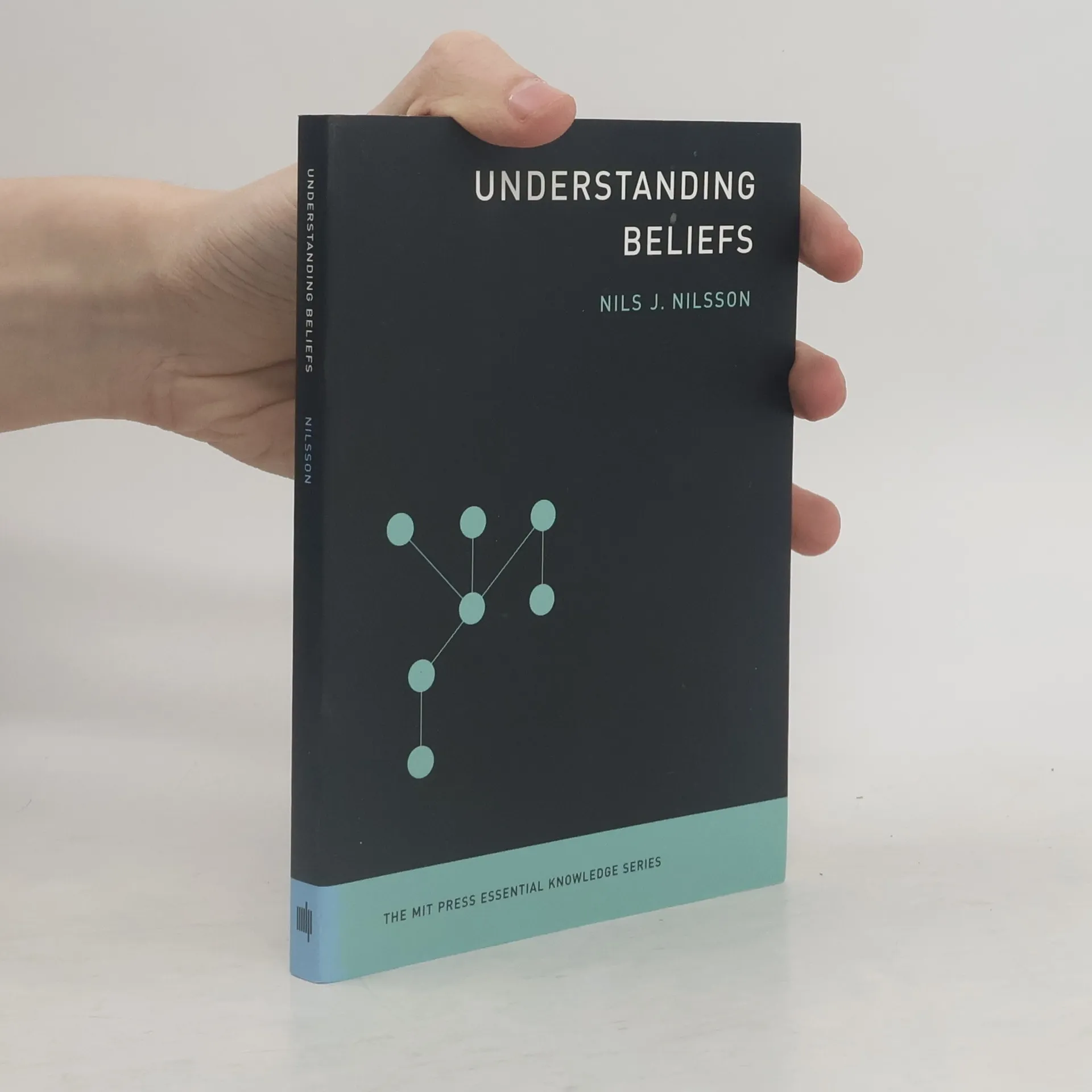
"Our beliefs constitute a large part of our knowledge of the world. We have beliefs about objects, about culture, about the past, and about the future. We have beliefs about other people, and we believe that they have beliefs as well. We use beliefs to predict, to explain, to create, to console, to entertain. Some of our beliefs we call theories, and we are extraordinarily creative at constructing them. Theories of quantum mechanics, evolution, and relativity are examples. But so are theories about astrology, alien abduction, guardian angels, and reincarnation. All are products (with varying degrees of credibility) of fertile minds trying to find explanations for observed phenomena. In this book, Nils Nilsson examines beliefs: what they do for us, how we come to hold them, and how to evaluate them."-- Amazon.com
Zakup książki
Understanding Beliefs, Nils J. Nilsson
- Język

- Rok wydania
- 2014
- Oprawa
- (miękka)
Metody płatności
Brakuje nam tutaj Twojej recenzji.
- Tytuł
- Understanding Beliefs
- Język
- angielski
- Autorzy
- Nils J. Nilsson
- Wydawca
- MIT Press
- Rok wydania
- 2014
- Oprawa
- miękka
- Liczba stron
- 151
- ISBN10
- 0262526433
- ISBN13
- 9780262526432
- Seria
- Kategorie
- Ocena
- 3,65 z 5
- Opis
- "Our beliefs constitute a large part of our knowledge of the world. We have beliefs about objects, about culture, about the past, and about the future. We have beliefs about other people, and we believe that they have beliefs as well. We use beliefs to predict, to explain, to create, to console, to entertain. Some of our beliefs we call theories, and we are extraordinarily creative at constructing them. Theories of quantum mechanics, evolution, and relativity are examples. But so are theories about astrology, alien abduction, guardian angels, and reincarnation. All are products (with varying degrees of credibility) of fertile minds trying to find explanations for observed phenomena. In this book, Nils Nilsson examines beliefs: what they do for us, how we come to hold them, and how to evaluate them."-- Amazon.com