



Więcej o książce
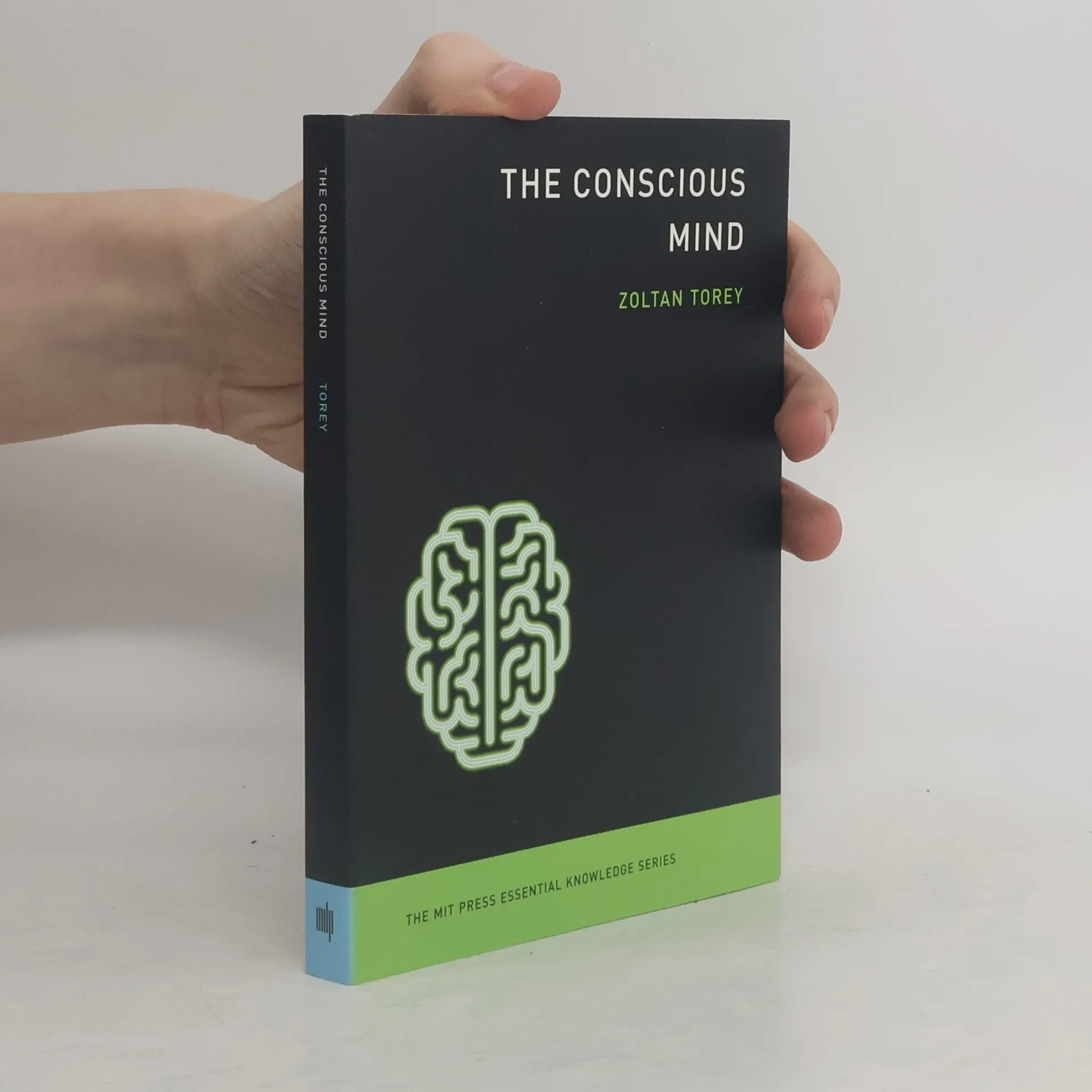
How did the human mind emerge from the brain's collection of neurons? This volume in the Essential Knowledge series offers a concise exploration of the evolutionary breakthrough that led to the development of the human mind. Drawing on insights from evolutionary biology, neuroscience, and linguistics, the author reconstructs the transformation from Homo erectus to Homo sapiens. He describes a new internal response system that allows the brain to access itself, forming a selection mechanism for behavior options. This functional breakthrough explains how animal awareness became self-accessible and reflective, leading to the conscious mind. Unlike animal awareness, consciousness is a composite process rather than a unitary phenomenon. The author illustrates the evolution of protolanguage into language and how a subsystem for the emergent mind was constructed, emphasizing that these developments remain opaque to introspection. He posits that the brain's functional autonomy is experienced as free will. Furthermore, he argues that consciousness is not merely a newly acquired quality or epiphenomenon but an essential component of the living system's functioning, emerging as a necessary response once life began.
Zakup książki
The Conscious Mind, Zoltán Törey
- Język

- Rok wydania
- 2014
- Oprawa
- (miękka)
Metody płatności
Brakuje nam tutaj Twojej recenzji.
- Tytuł
- The Conscious Mind
- Język
- angielski
- Autorzy
- Zoltán Törey
- Wydawca
- MIT Press
- Rok wydania
- 2014
- Oprawa
- miękka
- Liczba stron
- 208
- ISBN10
- 0262527103
- ISBN13
- 9780262527101
- Seria
- Kategorie
- Ocena
- 3,85 z 5
- Opis
- How did the human mind emerge from the brain's collection of neurons? This volume in the Essential Knowledge series offers a concise exploration of the evolutionary breakthrough that led to the development of the human mind. Drawing on insights from evolutionary biology, neuroscience, and linguistics, the author reconstructs the transformation from Homo erectus to Homo sapiens. He describes a new internal response system that allows the brain to access itself, forming a selection mechanism for behavior options. This functional breakthrough explains how animal awareness became self-accessible and reflective, leading to the conscious mind. Unlike animal awareness, consciousness is a composite process rather than a unitary phenomenon. The author illustrates the evolution of protolanguage into language and how a subsystem for the emergent mind was constructed, emphasizing that these developments remain opaque to introspection. He posits that the brain's functional autonomy is experienced as free will. Furthermore, he argues that consciousness is not merely a newly acquired quality or epiphenomenon but an essential component of the living system's functioning, emerging as a necessary response once life began.