

Parametry
- 1029 stron
- 37 godzin czytania
Więcej o książce
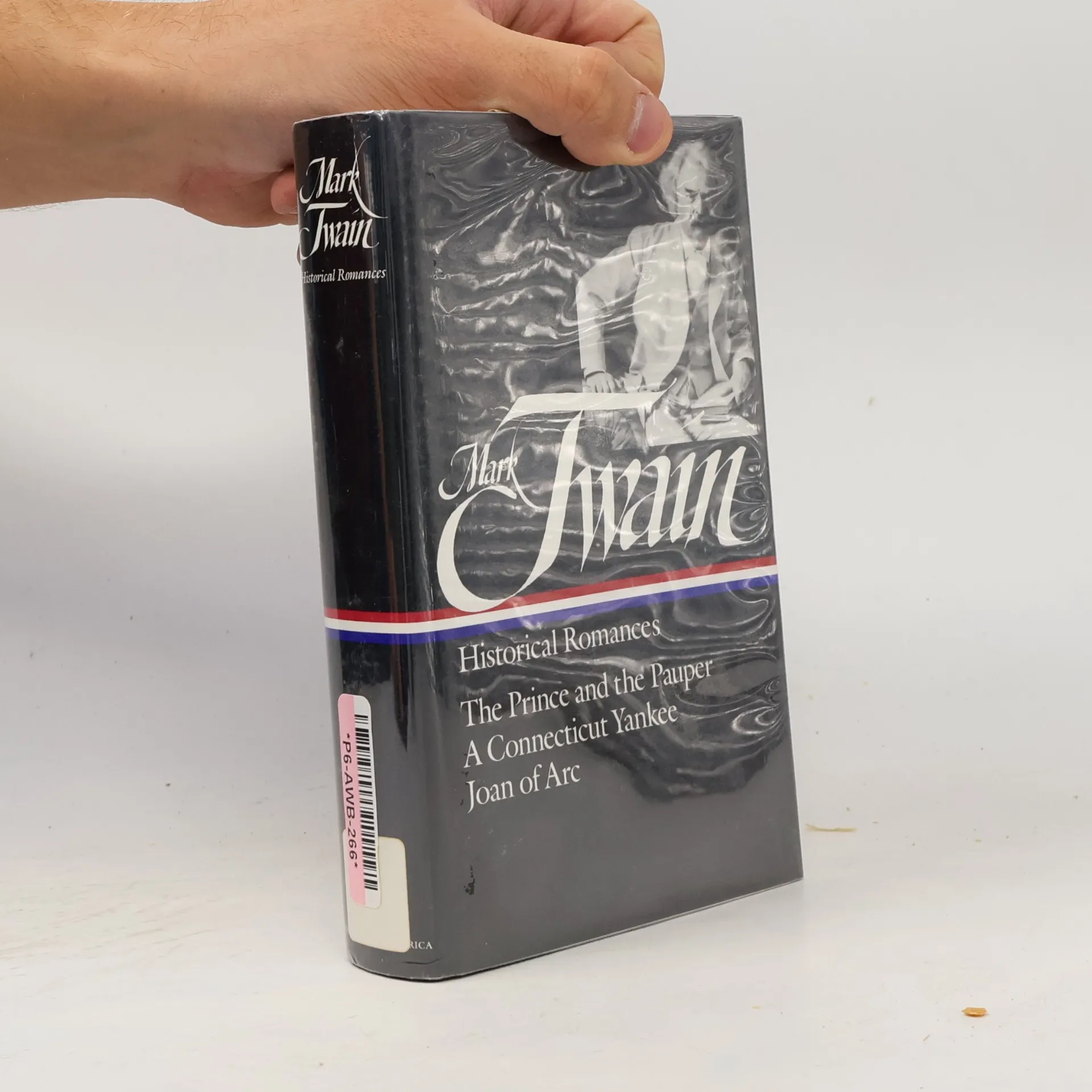
In this collection, Mark Twain explores medieval and Renaissance Europe, a world that both fascinated and repelled him. This era, marked by pomp and cruelty, artistic brilliance and ignorance, stands in stark contrast to the optimistic, commercial spirit of nineteenth-century America. Twain's imaginative engagement with this lost world is evident in three distinct works. In "The Prince and the Pauper" (1882), he employs the device of identical boys from opposite social classes to illustrate the stark contrasts of Henry VIII’s England. The narrative follows pauper Tom Canty as he assumes the throne, while the rightful heir faces a life among thieves, presenting a compelling critique of European societal injustices. "A Connecticut Yankee in King Arthur’s Court" (1889) showcases Twain's satirical prowess as Hank Morgan, a mechanic, finds himself in Camelot, confronting the era's superstitions and rituals. Through humor, Twain dismantles the romanticized notions of knighthood, revealing a violent society plagued by ignorance. The story shifts to a darker tone, questioning the implications of American progress as Camelot faces destruction from advanced technology. "Personal Recollections of Joan of Arc" (1896) offers a richly detailed account of the heroine, blending admiration and indignation, and reflecting Twain's moral imagination. This work stands as his most elaborate historical reconstruction, showcasing his unique per
Zakup książki
Historical romances, Mark Twain
- Język

- Rok wydania
- 1994
- Oprawa
- (twarda)
Metody płatności
Brakuje nam tutaj Twojej recenzji.
- Tytuł
- Historical romances
- Język
- angielski
- Autorzy
- Mark Twain
- Wydawca
- Library of America
- Rok wydania
- 1994
- Oprawa
- twarda
- Liczba stron
- 1029
- ISBN10
- 0940450828
- ISBN13
- 9780940450820
- Seria
- Kolekcja
- The Library of America
- Ocena
- 4,3 z 5
- Opis
- In this collection, Mark Twain explores medieval and Renaissance Europe, a world that both fascinated and repelled him. This era, marked by pomp and cruelty, artistic brilliance and ignorance, stands in stark contrast to the optimistic, commercial spirit of nineteenth-century America. Twain's imaginative engagement with this lost world is evident in three distinct works. In "The Prince and the Pauper" (1882), he employs the device of identical boys from opposite social classes to illustrate the stark contrasts of Henry VIII’s England. The narrative follows pauper Tom Canty as he assumes the throne, while the rightful heir faces a life among thieves, presenting a compelling critique of European societal injustices. "A Connecticut Yankee in King Arthur’s Court" (1889) showcases Twain's satirical prowess as Hank Morgan, a mechanic, finds himself in Camelot, confronting the era's superstitions and rituals. Through humor, Twain dismantles the romanticized notions of knighthood, revealing a violent society plagued by ignorance. The story shifts to a darker tone, questioning the implications of American progress as Camelot faces destruction from advanced technology. "Personal Recollections of Joan of Arc" (1896) offers a richly detailed account of the heroine, blending admiration and indignation, and reflecting Twain's moral imagination. This work stands as his most elaborate historical reconstruction, showcasing his unique per