

Więcej o książce
The collected works of the inimitable Pulitzer Prize–winning poet It is the astonishment of Louise Glück's poetry that it resists collection. With each successive book her drive to leave behind what came before has grown more fierce, the force of her gaze fixed on what has yet to be imagined. She invented a form to accommodate this need, the book-length sequence of poems, like a landscape seen from above, a novel with lacunae opening onto the unspeakable. The reiterated yet endlessly transfigured elements in this landscape—Persephone, a copper beech, a mother and father and sister, a garden, a husband and son, a horse, a dog, a field on fire, a mountain—persistently emerge and reappear with the dark energy of the inevitable, shot through with the bright aspect of things new-made. From the outset ("Come here / Come here, little one"), Gluck's voice has addressed us with deceptive simplicity, the poems in lines so clear we "do not see the intervening fathoms." From within the earth's bitter disgrace, coldness and barrenness my friend the moon rises: she is beautiful tonight, but when is she not beautiful? To read these books together is to understand the governing paradox of a life lived in the body and of the work wrested from it, the one fated to die and the other to endure.
Zakup książki
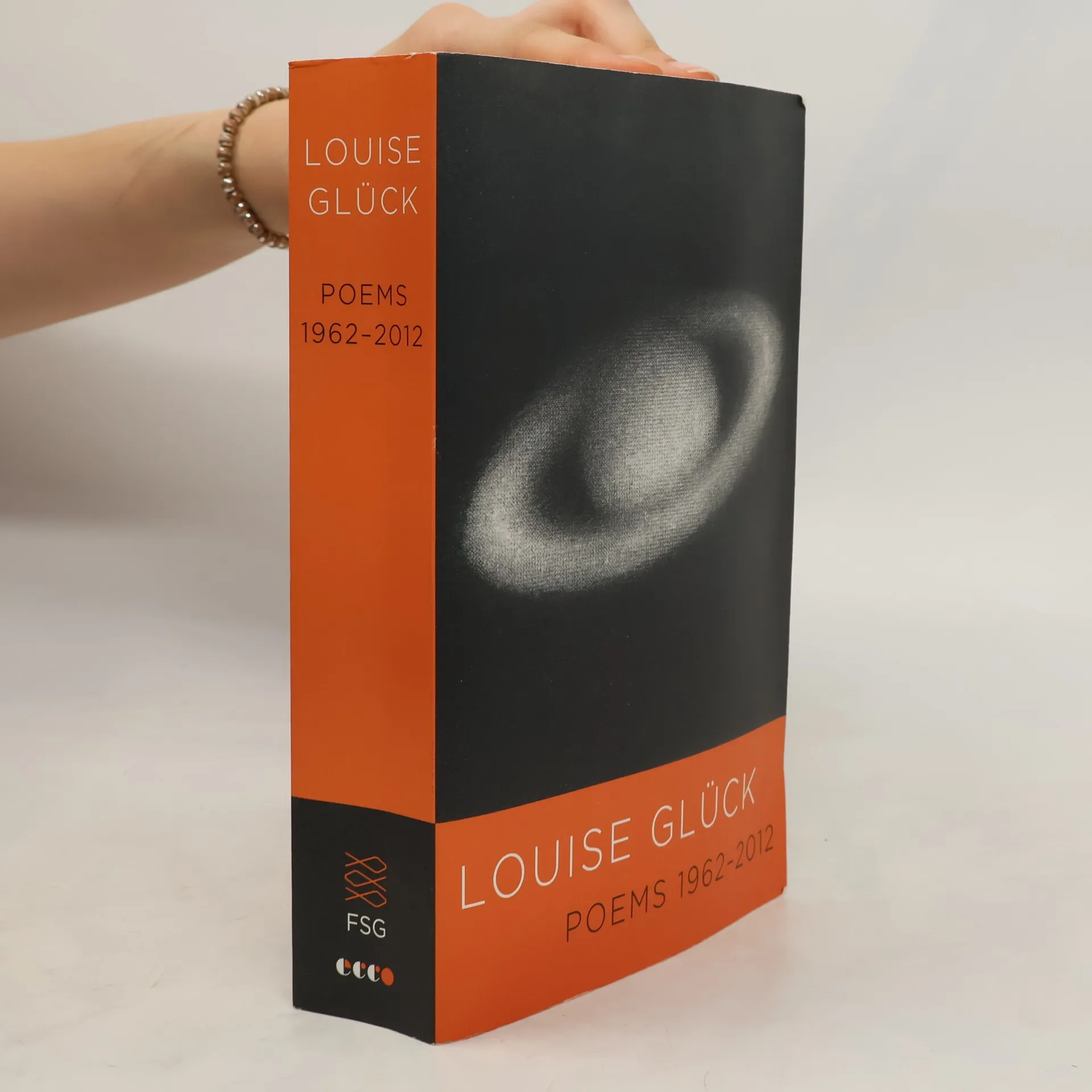
Poems 1962-2012, Louise Glück
- Język

- Rok wydania
- 2013
- Oprawa
- (miękka)
Metody płatności
Brakuje nam tutaj Twojej recenzji.
- Tytuł
- Poems 1962-2012
- Język
- angielski
- Autorzy
- Louise Glück
- Wydawca
- Farrar, Straus and Giroux
- Rok wydania
- 2013
- Oprawa
- miękka
- Liczba stron
- 656
- ISBN10
- 0374534098
- ISBN13
- 9780374534097
- Seria
- Ocena
- 4,4 z 5
- Opis
- The collected works of the inimitable Pulitzer Prize–winning poet It is the astonishment of Louise Glück's poetry that it resists collection. With each successive book her drive to leave behind what came before has grown more fierce, the force of her gaze fixed on what has yet to be imagined. She invented a form to accommodate this need, the book-length sequence of poems, like a landscape seen from above, a novel with lacunae opening onto the unspeakable. The reiterated yet endlessly transfigured elements in this landscape—Persephone, a copper beech, a mother and father and sister, a garden, a husband and son, a horse, a dog, a field on fire, a mountain—persistently emerge and reappear with the dark energy of the inevitable, shot through with the bright aspect of things new-made. From the outset ("Come here / Come here, little one"), Gluck's voice has addressed us with deceptive simplicity, the poems in lines so clear we "do not see the intervening fathoms." From within the earth's bitter disgrace, coldness and barrenness my friend the moon rises: she is beautiful tonight, but when is she not beautiful? To read these books together is to understand the governing paradox of a life lived in the body and of the work wrested from it, the one fated to die and the other to endure.