

Więcej o książce
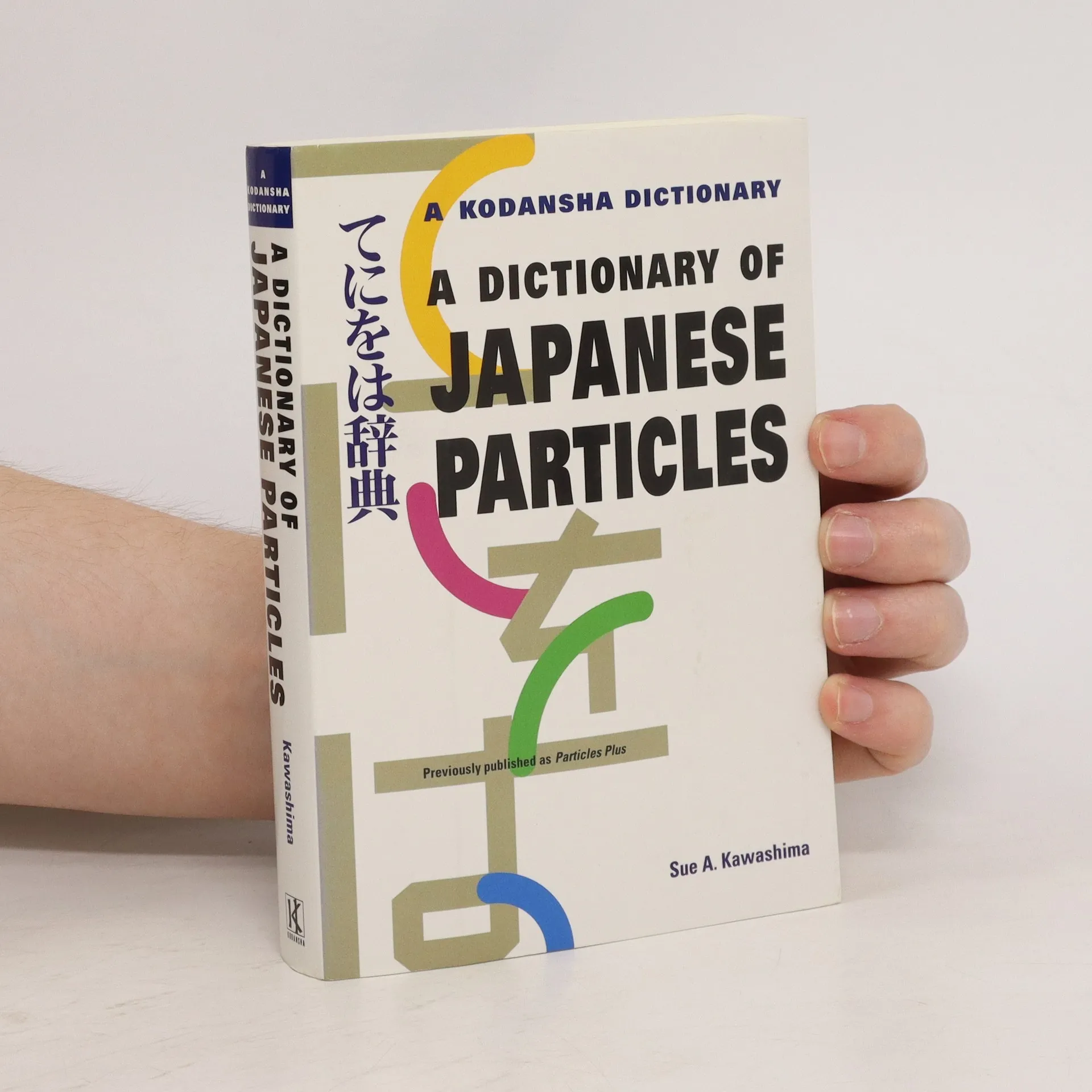
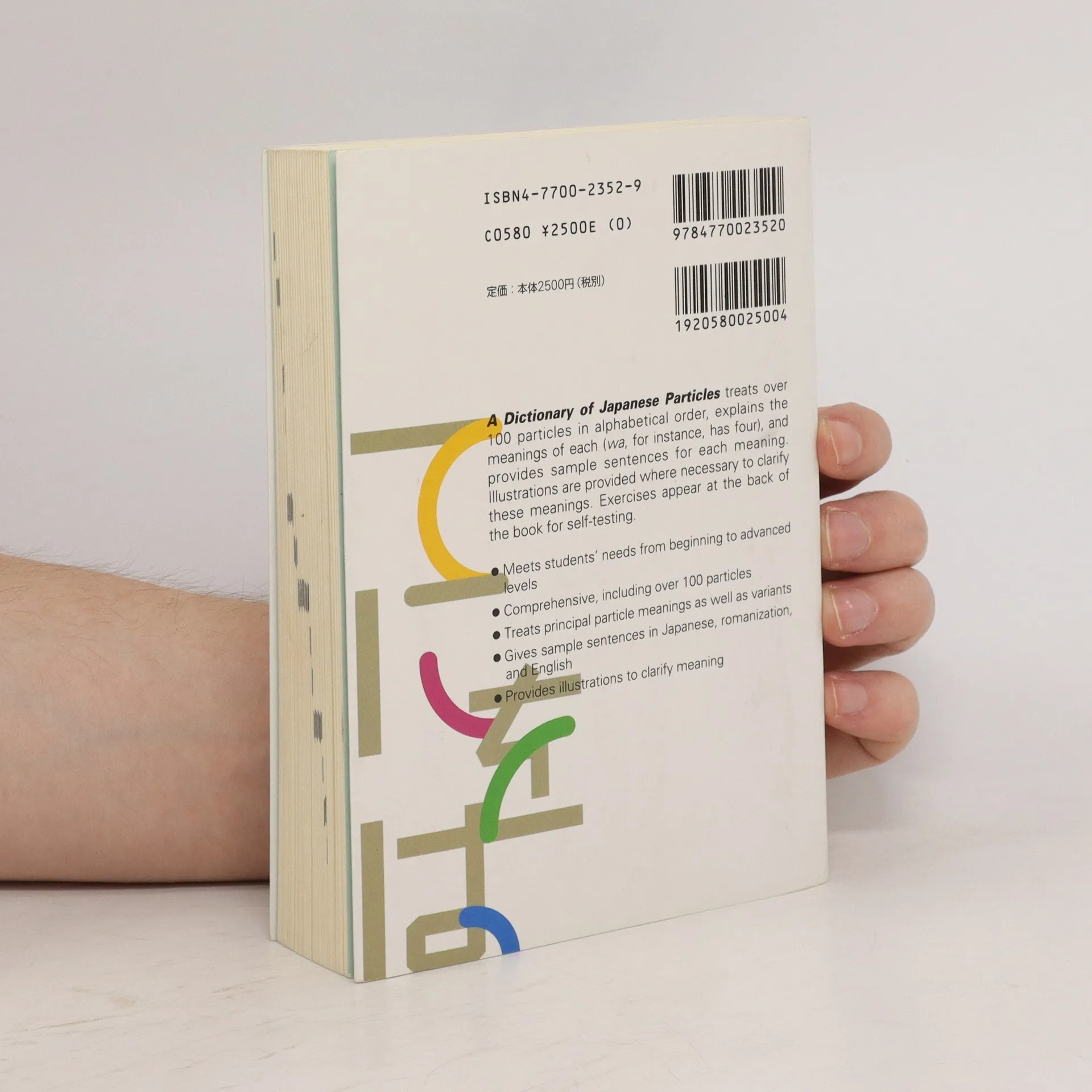
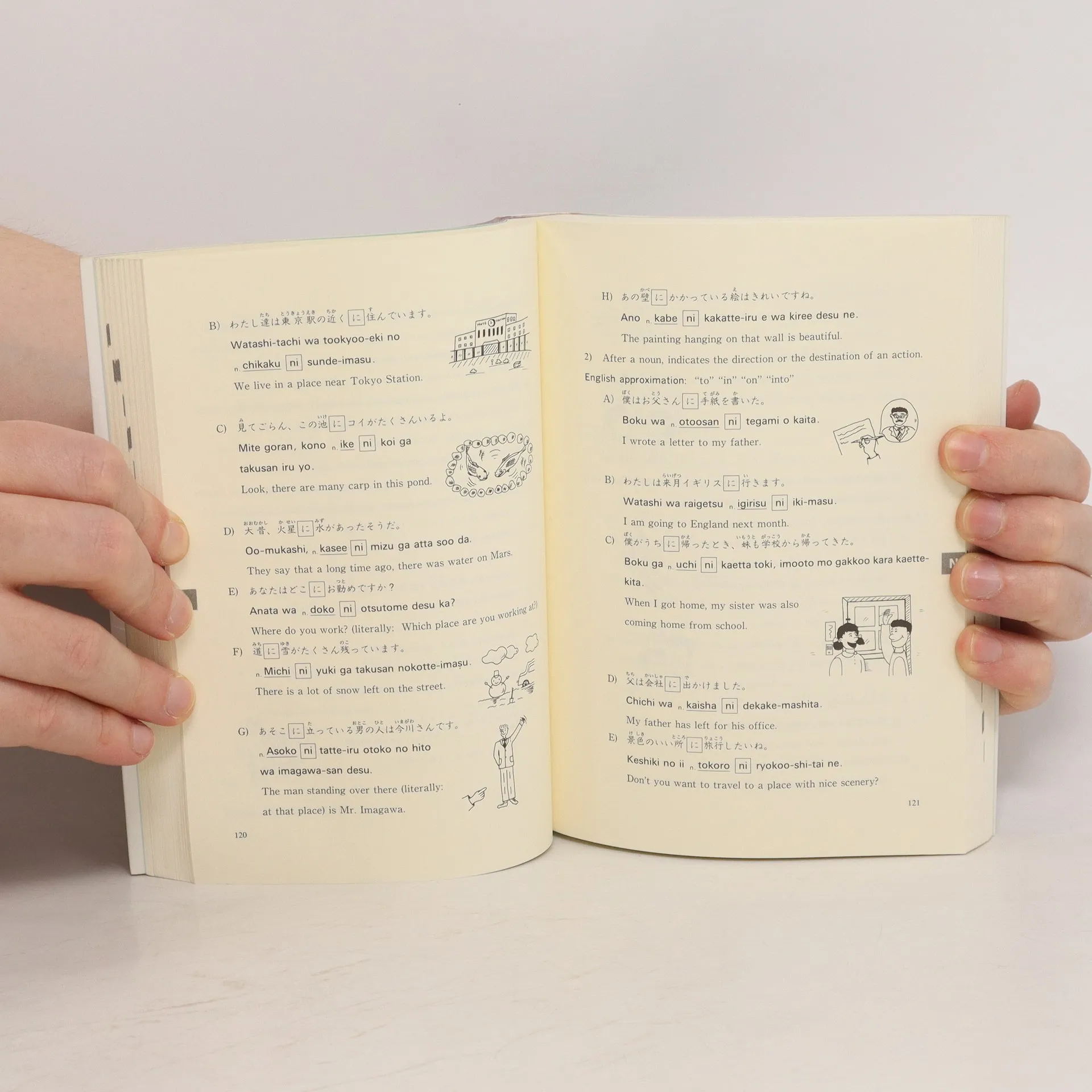
For English-speaking students of Japanese, particles are perhaps the most difficult aspect of the language to learn. It would be no exaggeration to say that, for most people, they can never be completely mastered. Thus, the study of particles is a lifetime undertaking, and students need a lifelong companion to help them along the way. That companion is A Dictionary of Japanese Particles. Covering over 100 particles in alphabetical order, the dictionary explains the meanings of each (most have more than one) and gives sample sentences for each meaning. Illustrations are provided where necessary for clarification. There are also exercises at the back of the book for those who wish to test their knowledge of particle usage. Appendices and end paper charts are provided for easy access. A Dictionary of Japanese Particles is an essential reference work, meant to be used over the years as students continue to confront puzzling particles.
Zakup książki
A Dictionary of Japanese Particles, Sue A. Kawashima
- Język

- Rok wydania
- 2013
- Oprawa
- (miękka)
Metody płatności
Brakuje nam tutaj Twojej recenzji.
- Tytuł
- A Dictionary of Japanese Particles
- Język
- angielski
- Autorzy
- Sue A. Kawashima
- Wydawca
- Kodansha USA
- Rok wydania
- 2013
- Oprawa
- miękka
- Liczba stron
- 350
- ISBN10
- 156836542X
- ISBN13
- 9781568365428
- Seria
- Ocena
- 4,35 z 5
- Opis
- For English-speaking students of Japanese, particles are perhaps the most difficult aspect of the language to learn. It would be no exaggeration to say that, for most people, they can never be completely mastered. Thus, the study of particles is a lifetime undertaking, and students need a lifelong companion to help them along the way. That companion is A Dictionary of Japanese Particles. Covering over 100 particles in alphabetical order, the dictionary explains the meanings of each (most have more than one) and gives sample sentences for each meaning. Illustrations are provided where necessary for clarification. There are also exercises at the back of the book for those who wish to test their knowledge of particle usage. Appendices and end paper charts are provided for easy access. A Dictionary of Japanese Particles is an essential reference work, meant to be used over the years as students continue to confront puzzling particles.