

Więcej o książce
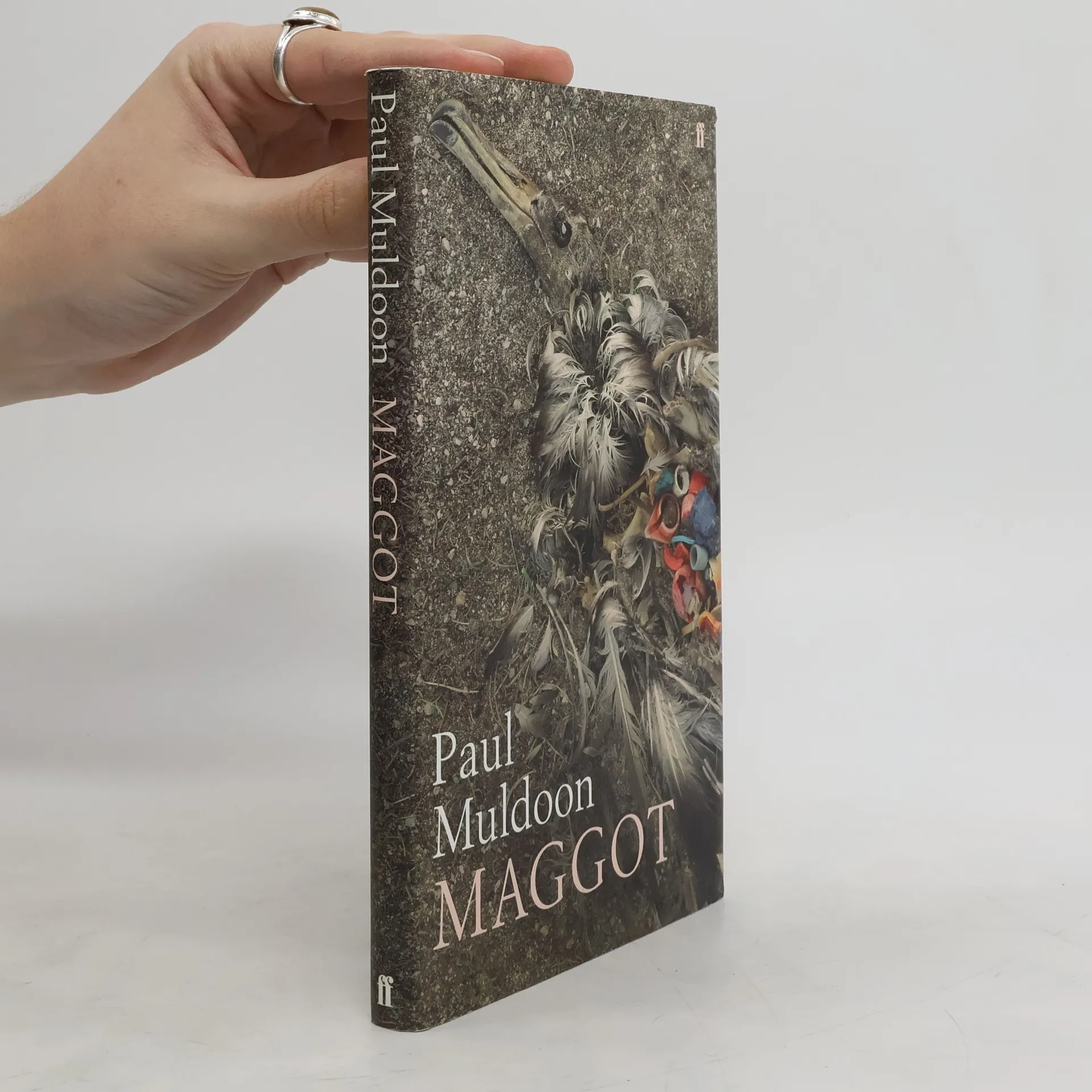
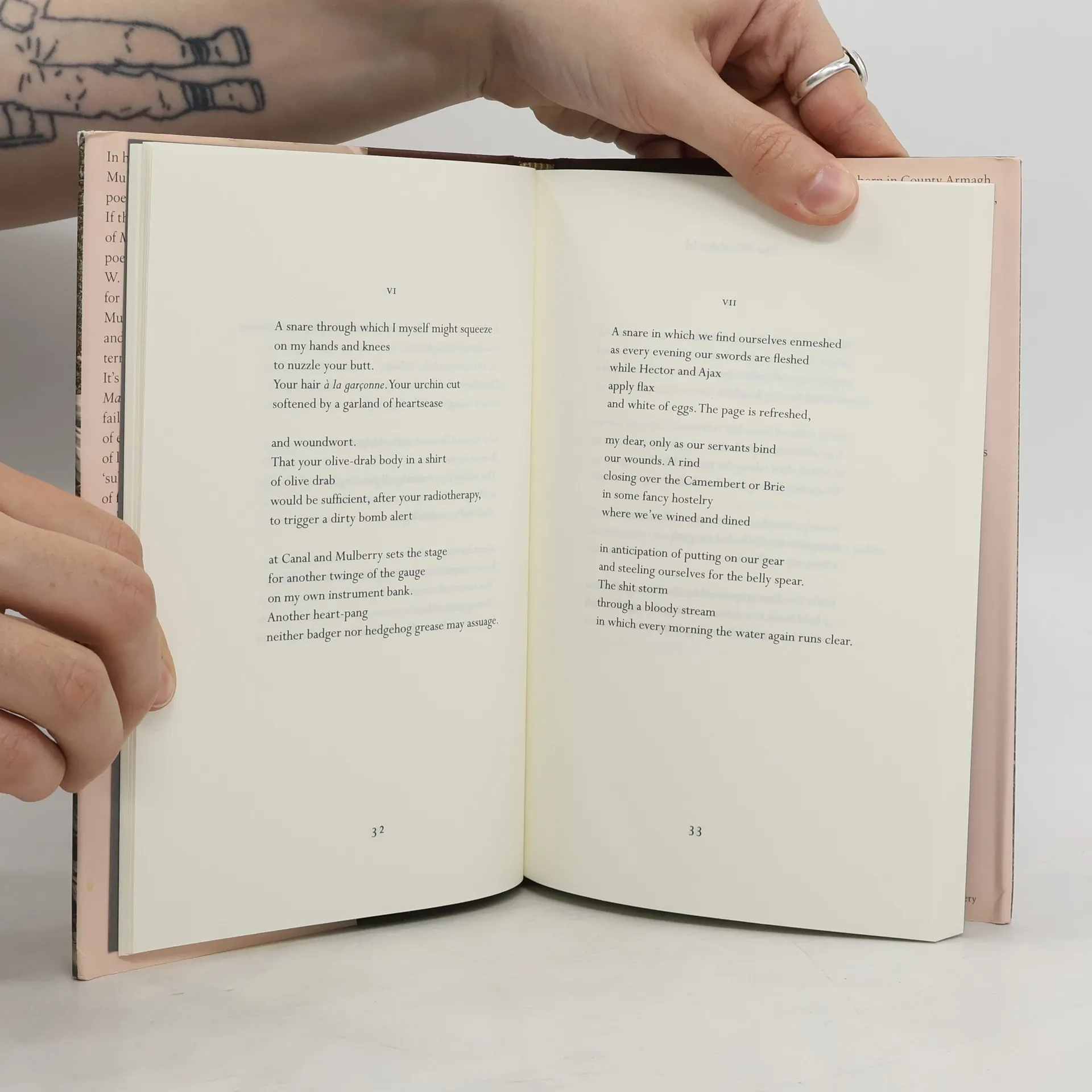
In his eleventh full-length collection, Paul Muldoon reminds us that he is a traditional poet who is steadfastly at odds with tradition. If the poetic sequence is the main mode of Maggot, it certainly isn’t your father’s poetic sequence. Taking as a starting point W. B. Yeats’s remark that the only fit topics for a serious mood are ‘sex and the dead’, Muldoon finds unexpected ways of thinking and feeling about what it means to come to terms with the early twenty-first century. It’s no accident that the centrepiece of Maggot is an outlandish meditation on a failed poem that draws on the vocabulary of entomological forensics. The last series of linked lyrics, meanwhile, takes as its ‘subject’ the urge to memorialize the scenes of fatal car accidents. The extravagant linkage of rot and the erotic is at the heart of not only the title-sequence but many of the round-songs that characterize Maggot and has led Angela Leighton, writing in the TLS, to see these new poems (on their earlier appearance in Plan B, an interim volume which included several of the poems in Maggot) as giving readers ‘a thrilling, wild, fairground ride, with few let-ups for the squeamish.’
Zakup książki
Maggot, Paul Muldoon
- Język

- Rok wydania
- 2010
- Oprawa
- (twarda)
Metody płatności
Brakuje nam tutaj Twojej recenzji.
- Tytuł
- Maggot
- Język
- angielski
- Autorzy
- Paul Muldoon
- Wydawca
- Faber and Faber
- Rok wydania
- 2010
- Oprawa
- twarda
- ISBN10
- 0571269257
- ISBN13
- 9780571269259
- Seria
- Ocena
- 3,55 z 5
- Opis
- In his eleventh full-length collection, Paul Muldoon reminds us that he is a traditional poet who is steadfastly at odds with tradition. If the poetic sequence is the main mode of Maggot, it certainly isn’t your father’s poetic sequence. Taking as a starting point W. B. Yeats’s remark that the only fit topics for a serious mood are ‘sex and the dead’, Muldoon finds unexpected ways of thinking and feeling about what it means to come to terms with the early twenty-first century. It’s no accident that the centrepiece of Maggot is an outlandish meditation on a failed poem that draws on the vocabulary of entomological forensics. The last series of linked lyrics, meanwhile, takes as its ‘subject’ the urge to memorialize the scenes of fatal car accidents. The extravagant linkage of rot and the erotic is at the heart of not only the title-sequence but many of the round-songs that characterize Maggot and has led Angela Leighton, writing in the TLS, to see these new poems (on their earlier appearance in Plan B, an interim volume which included several of the poems in Maggot) as giving readers ‘a thrilling, wild, fairground ride, with few let-ups for the squeamish.’