


Więcej o książce
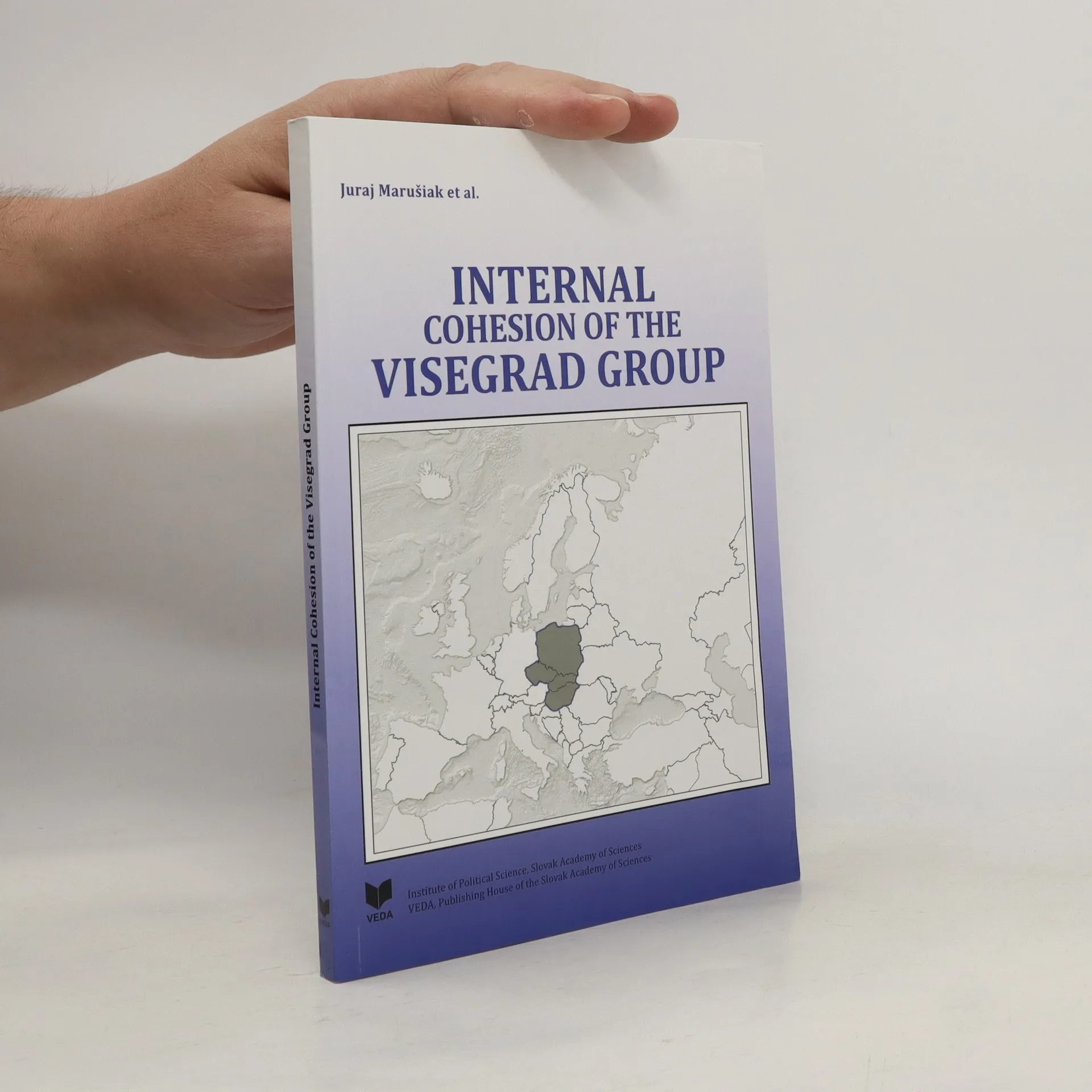
This publication analyzes the existence of a commonly shared identity within the Visegrad Group and identifies integrative factors among its members. The authors explore historical identities, memory, economic cohesion, and the role of Visegrad topics in university education and political culture. It concludes that Visegrad cooperation is primarily interest-based rather than identity-driven, though citizens recognize it as a significant regional entity. The perception of Visegrad as a "brand" by both domestic and foreign political elites contributes to regional identity formation. However, political leaders' motivations remain pragmatic rather than rooted in a sense of belonging. External factors, such as the EU and geopolitical crises, exert a stronger influence on V4 cooperation than internal pressures. The V4 is viewed as a more successful transition and integration project compared to other post-communist states, despite notable disparities in economic development, living standards, and political behavior. Central and Eastern Europe, including Visegrad, continues to be peripheral within the EU, though EU membership fosters stability and mitigates marginalization. A concerning trend is the decline in democracy and rise in authoritarianism, driven by pragmatic political objectives rather than deliberate strategies. Nonetheless, Visegrad remains a stable zone compared to other European regions, attributed to successful reform
Zakup książki
Internal cohesion of the Visegrad group, Anna Schneider
- Język

- Rok wydania
- 2013
- Oprawa
- (miękka)
Metody płatności
Nikt jeszcze nie ocenił.
- Tytuł
- Internal cohesion of the Visegrad group
- Język
- angielski
- Autorzy
- Anna Schneider
- Wydawca
- Veda
- Rok wydania
- 2013
- Oprawa
- miękka
- Liczba stron
- 178
- ISBN10
- 8022413291
- ISBN13
- 9788022413299
- Seria
- Kategorie
- Tagi
- Podręczniki
- Opis
- This publication analyzes the existence of a commonly shared identity within the Visegrad Group and identifies integrative factors among its members. The authors explore historical identities, memory, economic cohesion, and the role of Visegrad topics in university education and political culture. It concludes that Visegrad cooperation is primarily interest-based rather than identity-driven, though citizens recognize it as a significant regional entity. The perception of Visegrad as a "brand" by both domestic and foreign political elites contributes to regional identity formation. However, political leaders' motivations remain pragmatic rather than rooted in a sense of belonging. External factors, such as the EU and geopolitical crises, exert a stronger influence on V4 cooperation than internal pressures. The V4 is viewed as a more successful transition and integration project compared to other post-communist states, despite notable disparities in economic development, living standards, and political behavior. Central and Eastern Europe, including Visegrad, continues to be peripheral within the EU, though EU membership fosters stability and mitigates marginalization. A concerning trend is the decline in democracy and rise in authoritarianism, driven by pragmatic political objectives rather than deliberate strategies. Nonetheless, Visegrad remains a stable zone compared to other European regions, attributed to successful reform