

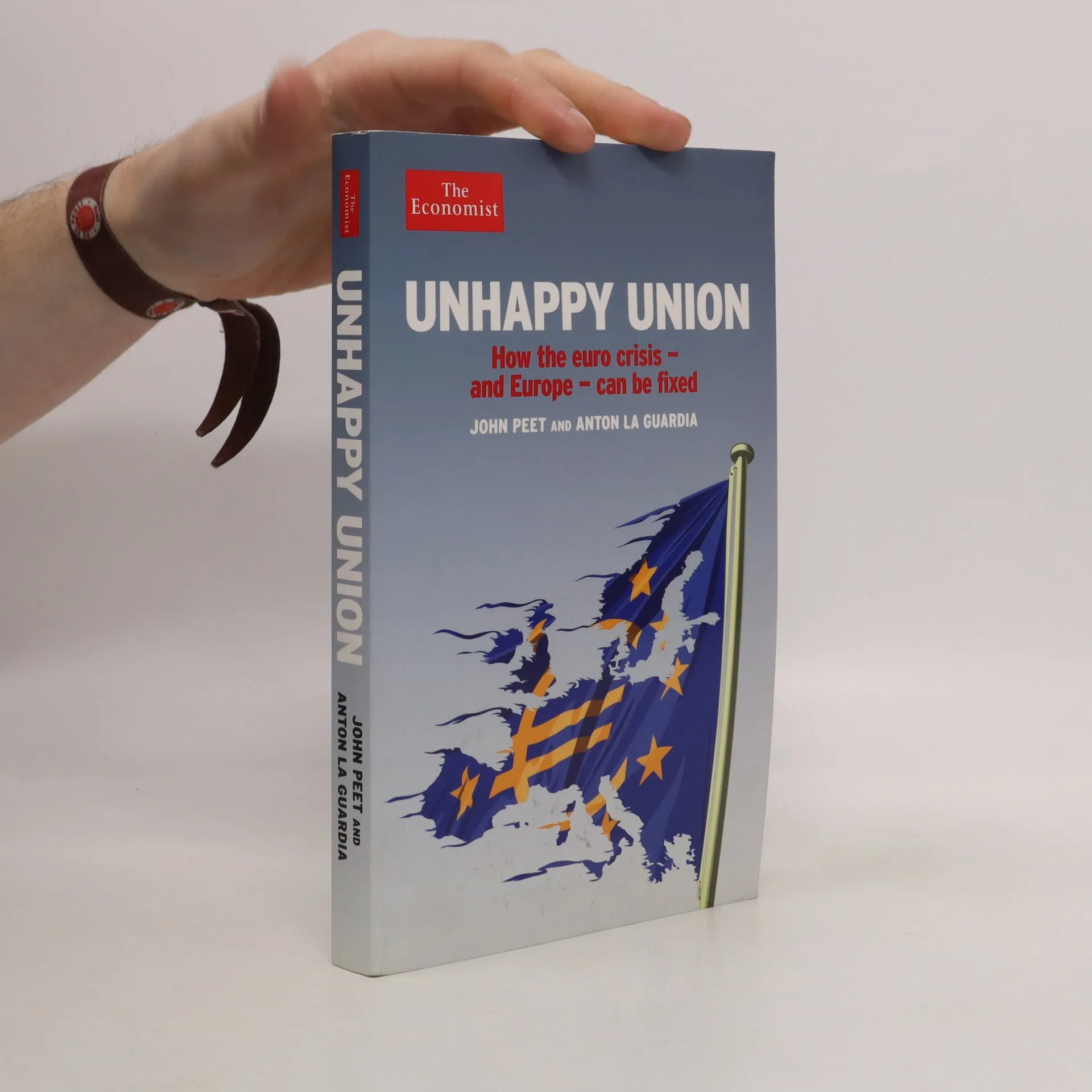


Więcej o książce
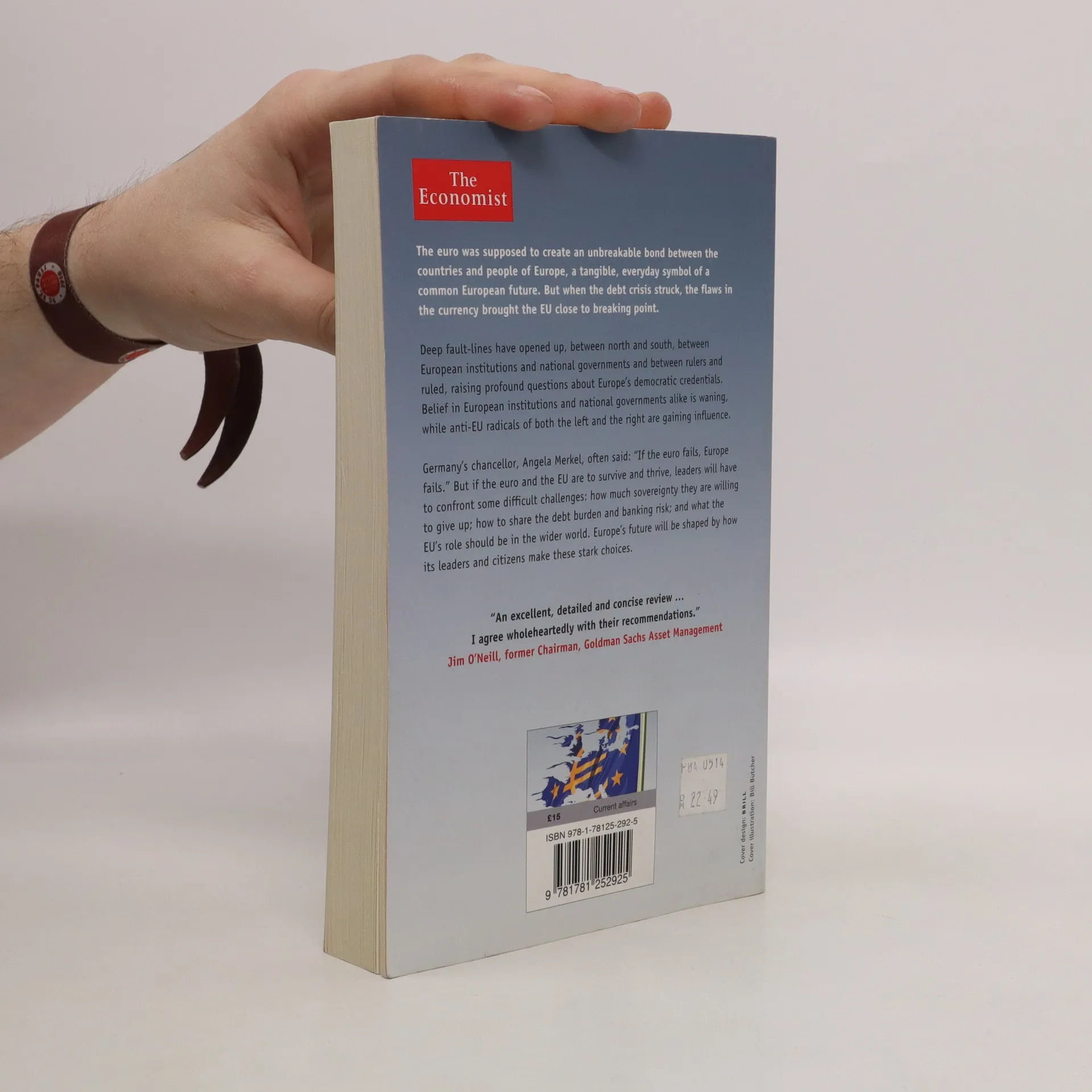
Deep fault-lines have opened up, not just between north and south, but between European institutions and the nation-states, and often between the rulers and the ruled, raising profound questions about Europe's democratic deficit. Belief in European institutions and national governments alike is waning, while radicals of both the left and the right are gaining power and influence. Europe's leaders have so far proved the doomsayers wrong and prevented the currency from breaking up. "If the euro fails, Europe fails," says Angela Merkel. Yet the euro, and the European project as a whole, is far from safe. If it is to survive and thrive, leaders will finally have to confront difficult decisions. How much national sovereignty are they willing to give up to create a more lasting and credible currency? How much of the debt burden and banking risk will they share? Is Britain prepared to walk away from the EU? And will other countries follow? In their astute analysis of the crisis, the authors describe America's behind-the-scenes lobbying to salvage the euro, economists' bitter debates over austerity, the unseen manoeuvres of the European Central Bank and the tortuous negotiations over banking union. In the final chapter, they set out the stark choices confronting Europe's leaders and citizens
Zakup książki
Unhappy union : How the euro crisis - and Europe - can be fixed, John Peet, Anton La Guardia
- Język

- Rok wydania
- 2014
- Oprawa
- (miękka)
Metody płatności
Brakuje nam tutaj Twojej recenzji.
- Tytuł
- Unhappy union : How the euro crisis - and Europe - can be fixed
- Język
- angielski
- Autorzy
- John Peet, Anton La Guardia
- Rok wydania
- 2014
- Oprawa
- miękka
- ISBN10
- 1781252920
- ISBN13
- 9781781252925
- Seria
- Kategorie
- Tagi
- Tematy historyczne, Biznes, Polityka
- Ocena
- 3,5 z 5
- Opis
- Deep fault-lines have opened up, not just between north and south, but between European institutions and the nation-states, and often between the rulers and the ruled, raising profound questions about Europe's democratic deficit. Belief in European institutions and national governments alike is waning, while radicals of both the left and the right are gaining power and influence. Europe's leaders have so far proved the doomsayers wrong and prevented the currency from breaking up. "If the euro fails, Europe fails," says Angela Merkel. Yet the euro, and the European project as a whole, is far from safe. If it is to survive and thrive, leaders will finally have to confront difficult decisions. How much national sovereignty are they willing to give up to create a more lasting and credible currency? How much of the debt burden and banking risk will they share? Is Britain prepared to walk away from the EU? And will other countries follow? In their astute analysis of the crisis, the authors describe America's behind-the-scenes lobbying to salvage the euro, economists' bitter debates over austerity, the unseen manoeuvres of the European Central Bank and the tortuous negotiations over banking union. In the final chapter, they set out the stark choices confronting Europe's leaders and citizens