



Więcej o książce
This analytical anthology introduces students with little background in either to both law and philosophy using prominent classic political philosophers, legal theorists, and abundant landmark court cases. Legal issues are placed in their historical and philosophical contexts. The book considers critical issues such as civil disobedience, war crimes, and the death penalty. It teaches the basics of international, constitutional, and criminal law and shows how philosophy of law helps makes sense of and unifies the seeming “scraps and fragments” of law. The chapters focus on different areas of law and on different philosophers and philosophies. A classical political philosopher anchors each area of law covered. The anthology includes writings from prominent political philosophers (Plato, Aristotle, Hobbes, Locke, Kant, Mill, Nietzsche, and Rawls), from classical legal theorists (Aquinas, Grotius, Austin, Fuller, Hart, and Dworkin), and from judicial opinions (Justices Blackmun, Brennan, Marshall, Rehnquist, and Scalia).
Zakup książki
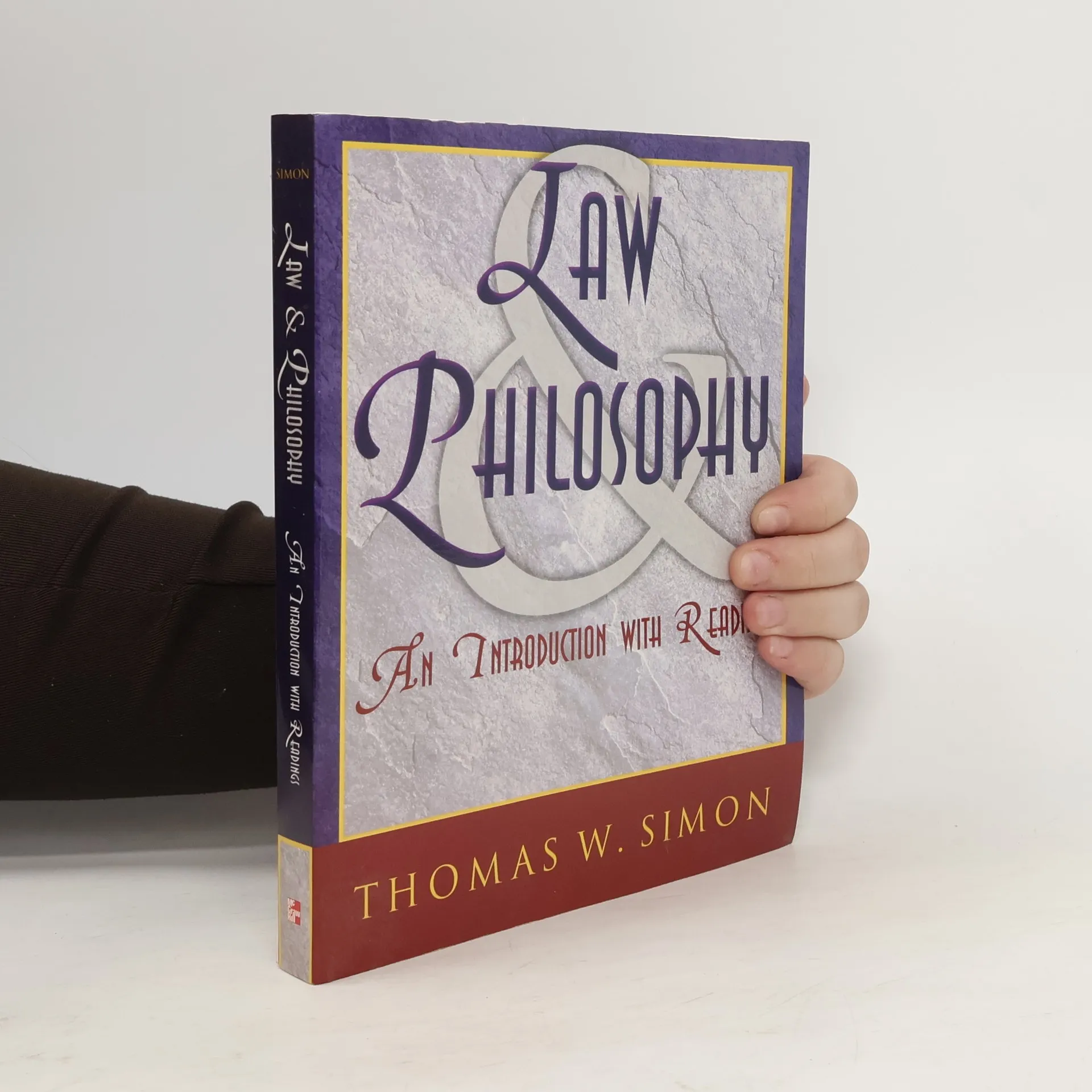
Law and philosophy : an introduction with readings, Thomas W. Simon
- Język

- Rok wydania
- 2001
- Oprawa
- (miękka)
Metody płatności
Brakuje nam tutaj Twojej recenzji.
- Tytuł
- Law and philosophy : an introduction with readings
- Język
- angielski
- Autorzy
- Thomas W. Simon
- Wydawca
- McGraw-Hill
- Rok wydania
- 2001
- Oprawa
- miękka
- Liczba stron
- 544
- ISBN10
- 0070275874
- ISBN13
- 9780070275874
- Seria
- Kategorie
- Ocena
- 3 z 5
- Opis
- This analytical anthology introduces students with little background in either to both law and philosophy using prominent classic political philosophers, legal theorists, and abundant landmark court cases. Legal issues are placed in their historical and philosophical contexts. The book considers critical issues such as civil disobedience, war crimes, and the death penalty. It teaches the basics of international, constitutional, and criminal law and shows how philosophy of law helps makes sense of and unifies the seeming “scraps and fragments” of law. The chapters focus on different areas of law and on different philosophers and philosophies. A classical political philosopher anchors each area of law covered. The anthology includes writings from prominent political philosophers (Plato, Aristotle, Hobbes, Locke, Kant, Mill, Nietzsche, and Rawls), from classical legal theorists (Aquinas, Grotius, Austin, Fuller, Hart, and Dworkin), and from judicial opinions (Justices Blackmun, Brennan, Marshall, Rehnquist, and Scalia).