

Parametry
- 348 stron
- 13 godzin czytania
Więcej o książce
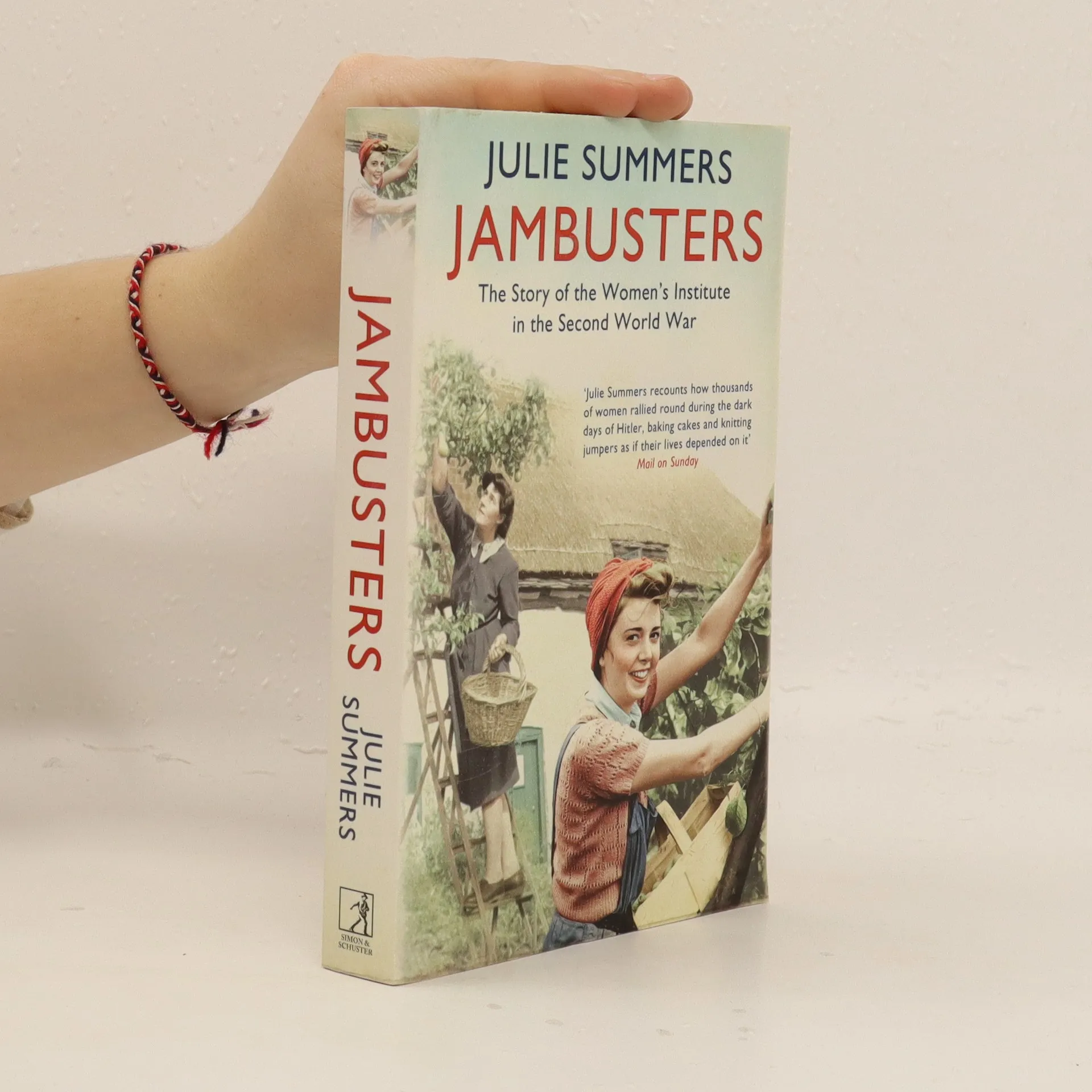
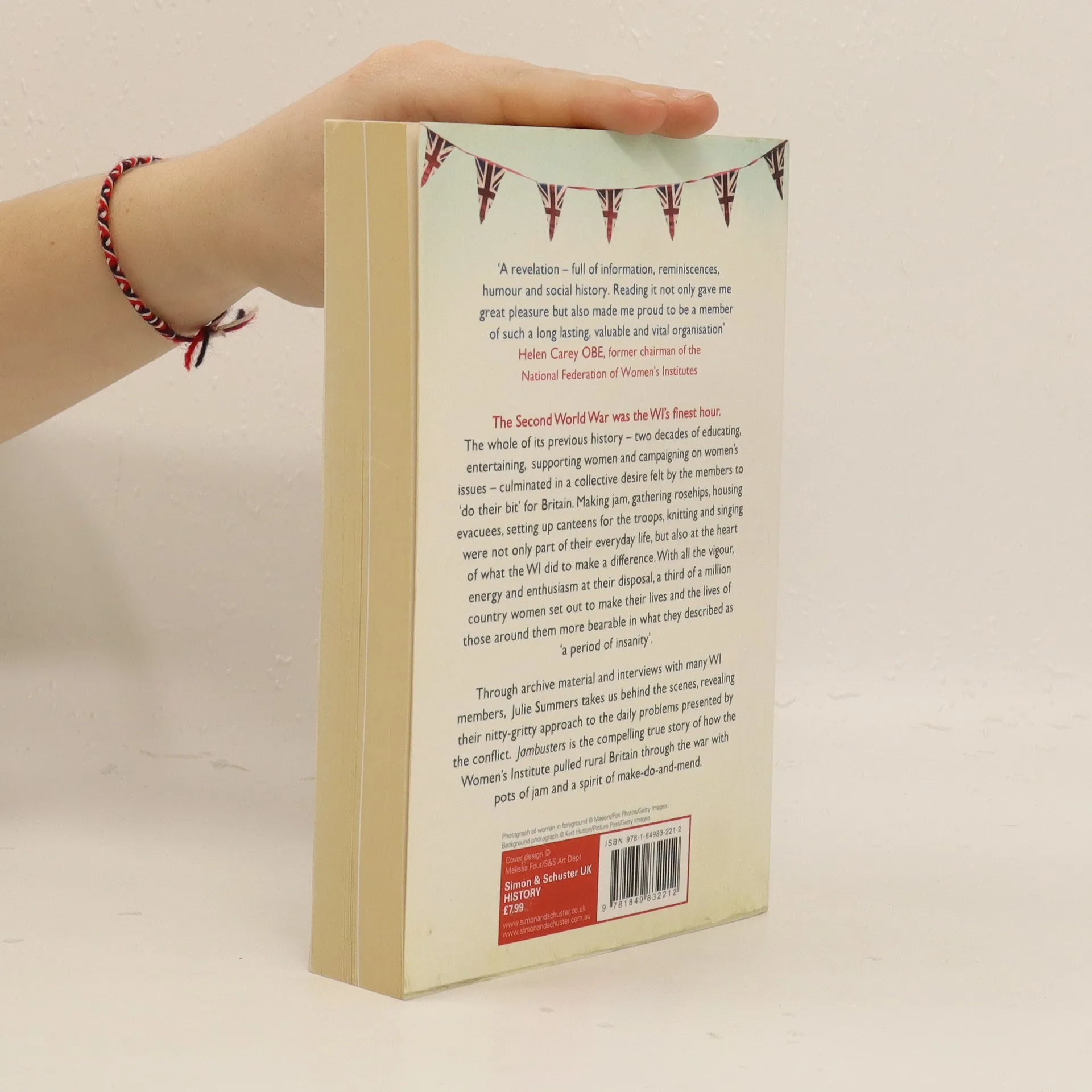
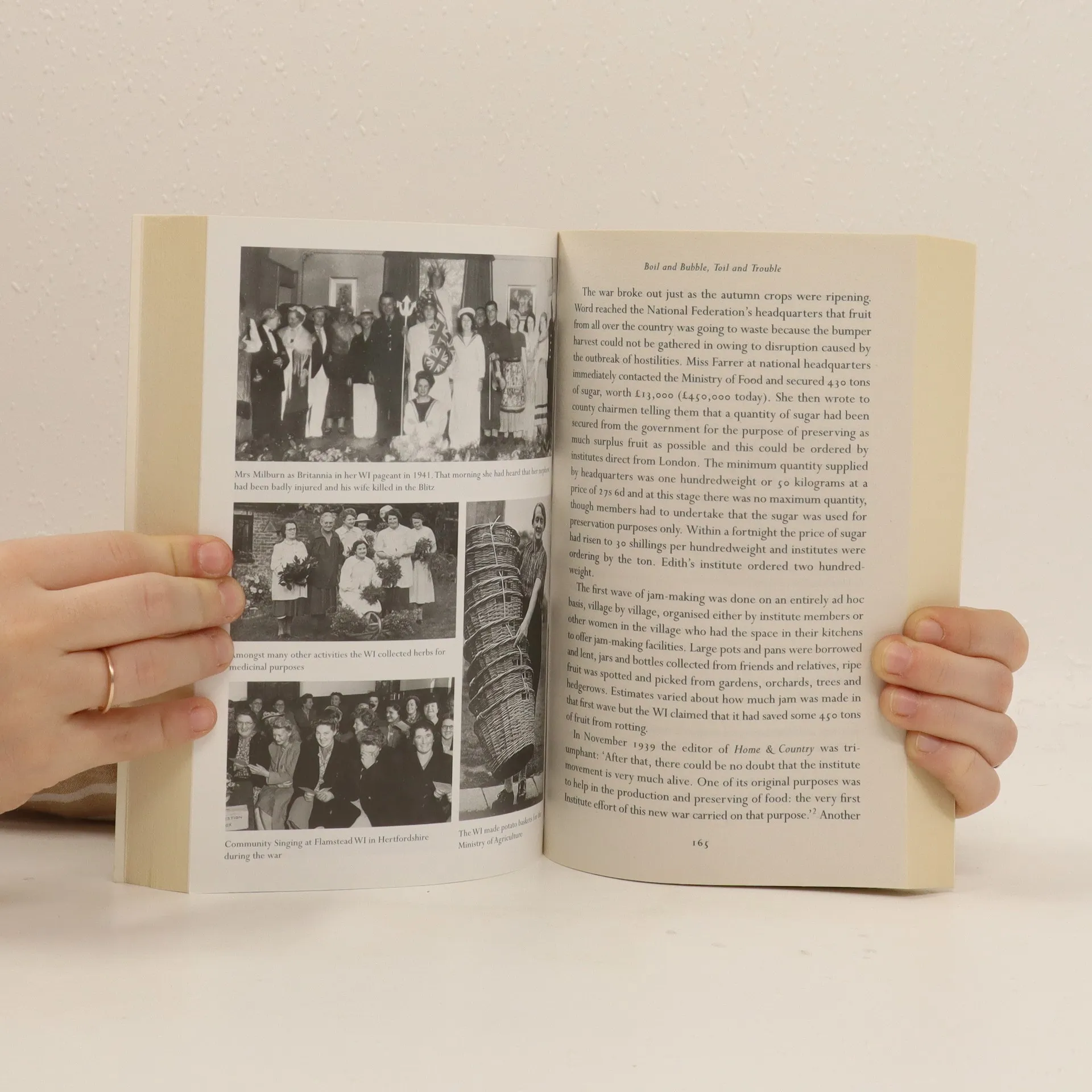
The Second World War was the WI's finest hour. The whole of its previous history - two decades of educating, entertaining and supporting women and campaigning on women's issues - culminated in the enormous collective responsibility felt by the members to 'do their bit' for Britain. With all the vigour, energy and enthusiasm at their disposal, a third of a million country women set out to make their lives and the lives of those around them more bearable in what they described as 'a period of insanity'. Jambusterstells the story of the minute and idiosyncratic details of everyday life during the Second World War. Making jam, making do and mending, gathering rosehips, keeping pigs and rabbits, housing evacuees, setting up canteens for the troops, knitting, singing and campaigning for a better Britain after the war: all these activities played a crucial role in war time.
Zakup książki
Jambusters : the story of the Women's Institute in the Second World War, Julie Summers
- Język

- Rok wydania
- 2014
- Oprawa
- (miękka)
Metody płatności
Brakuje nam tutaj Twojej recenzji.
- Tytuł
- Jambusters : the story of the Women's Institute in the Second World War
- Język
- angielski
- Autorzy
- Julie Summers
- Wydawca
- Simon & Schuster
- Rok wydania
- 2014
- Oprawa
- miękka
- Liczba stron
- 348
- ISBN10
- 1849832218
- ISBN13
- 9781849832212
- Seria
- Kategorie
- Ocena
- 3,75 z 5
- Opis
- The Second World War was the WI's finest hour. The whole of its previous history - two decades of educating, entertaining and supporting women and campaigning on women's issues - culminated in the enormous collective responsibility felt by the members to 'do their bit' for Britain. With all the vigour, energy and enthusiasm at their disposal, a third of a million country women set out to make their lives and the lives of those around them more bearable in what they described as 'a period of insanity'. Jambusterstells the story of the minute and idiosyncratic details of everyday life during the Second World War. Making jam, making do and mending, gathering rosehips, keeping pigs and rabbits, housing evacuees, setting up canteens for the troops, knitting, singing and campaigning for a better Britain after the war: all these activities played a crucial role in war time.