


Więcej o książce
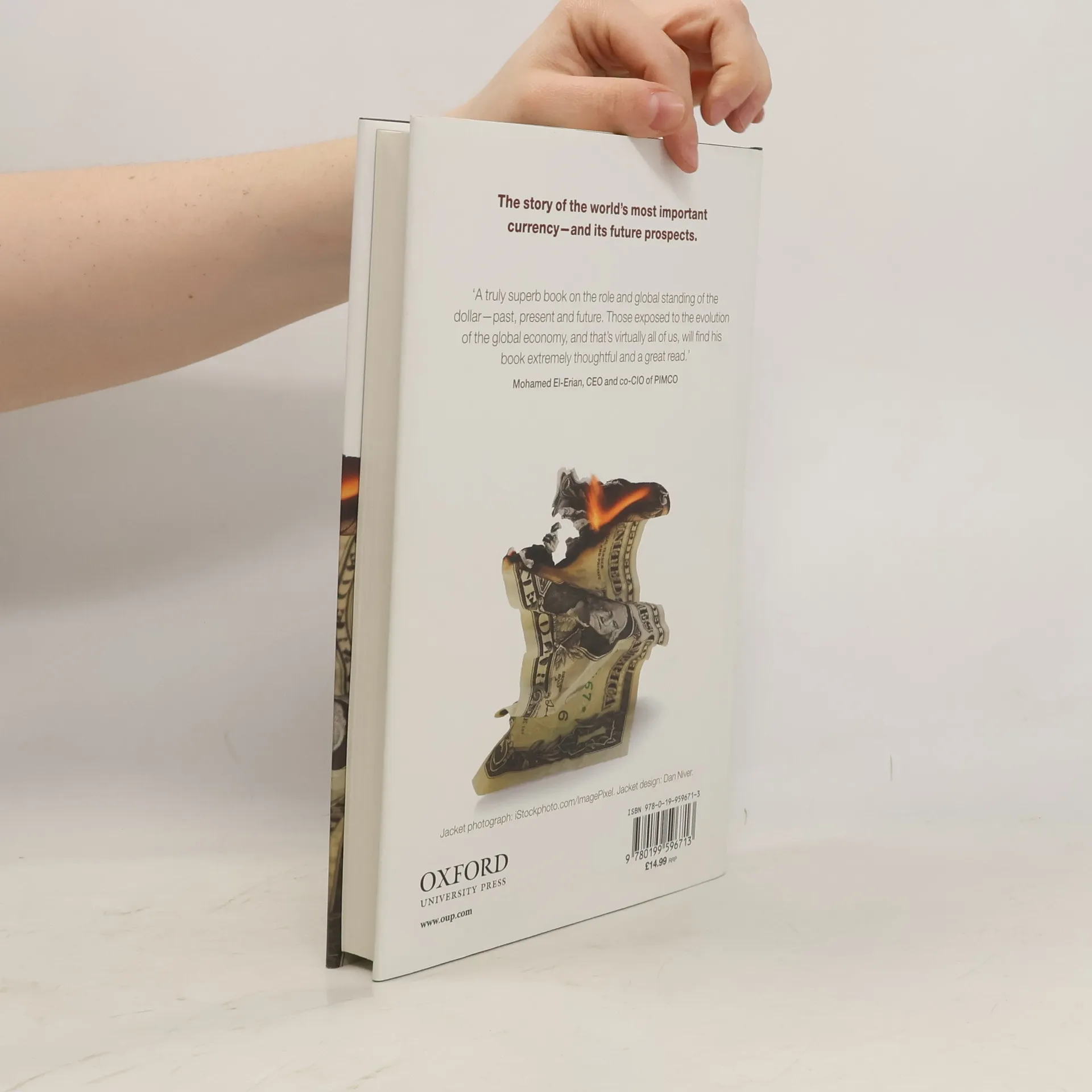
For over fifty years, the dollar has served not only as America's currency but as the world's primary currency, utilized by importers, exporters, investors, governments, and central banks. This unique position grants the United States significant strength, often referred to as America's "exorbitant privilege." However, with persistent U.S. budget deficits, holding dollars is increasingly seen as unfavorable. Some speculate that the dollar may soon lose its status as the world's standard currency, which could negatively impact U.S. living standards and diminish its global influence. In this insightful work, economist Barry Eichengreen explores the dollar's rise to international prominence, linking its dominance in the latter half of the 20th century to America's economic preeminence. As emerging economies like China, India, and Brazil gain traction, Eichengreen argues that the dollar's dominance may wane. Yet, he contends that this transition need not be abrupt or catastrophic. He challenges the notion that only one global currency can exist, highlighting historical instances where multiple currencies have shared this role. The dollar's decline in international status, he warns, will only occur if the U.S. repeats past mistakes and fails to address its fiscal challenges. This analysis provides a thought-provoking perspective on the future of the dollar and the global economy.
Zakup książki
Exorbitant Privilege, Barry Eichengreen
- Język

- Rok wydania
- 2011
- Oprawa
- (twarda)
Metody płatności
Brakuje nam tutaj Twojej recenzji.
- Tytuł
- Exorbitant Privilege
- Podtytuł
- The Rise and Fall of the Dollar
- Język
- angielski
- Autorzy
- Barry Eichengreen
- Wydawca
- Oxford University Press
- Rok wydania
- 2011
- Oprawa
- twarda
- Liczba stron
- 192
- ISBN10
- 0199596719
- ISBN13
- 9780199596713
- Seria
- Kategorie
- Tagi
- Tematy historyczne, Biznes, Polityka, Finanse, Pieniądze
- Ocena
- 4,2 z 5
- Opis
- For over fifty years, the dollar has served not only as America's currency but as the world's primary currency, utilized by importers, exporters, investors, governments, and central banks. This unique position grants the United States significant strength, often referred to as America's "exorbitant privilege." However, with persistent U.S. budget deficits, holding dollars is increasingly seen as unfavorable. Some speculate that the dollar may soon lose its status as the world's standard currency, which could negatively impact U.S. living standards and diminish its global influence. In this insightful work, economist Barry Eichengreen explores the dollar's rise to international prominence, linking its dominance in the latter half of the 20th century to America's economic preeminence. As emerging economies like China, India, and Brazil gain traction, Eichengreen argues that the dollar's dominance may wane. Yet, he contends that this transition need not be abrupt or catastrophic. He challenges the notion that only one global currency can exist, highlighting historical instances where multiple currencies have shared this role. The dollar's decline in international status, he warns, will only occur if the U.S. repeats past mistakes and fails to address its fiscal challenges. This analysis provides a thought-provoking perspective on the future of the dollar and the global economy.