

Więcej o książce
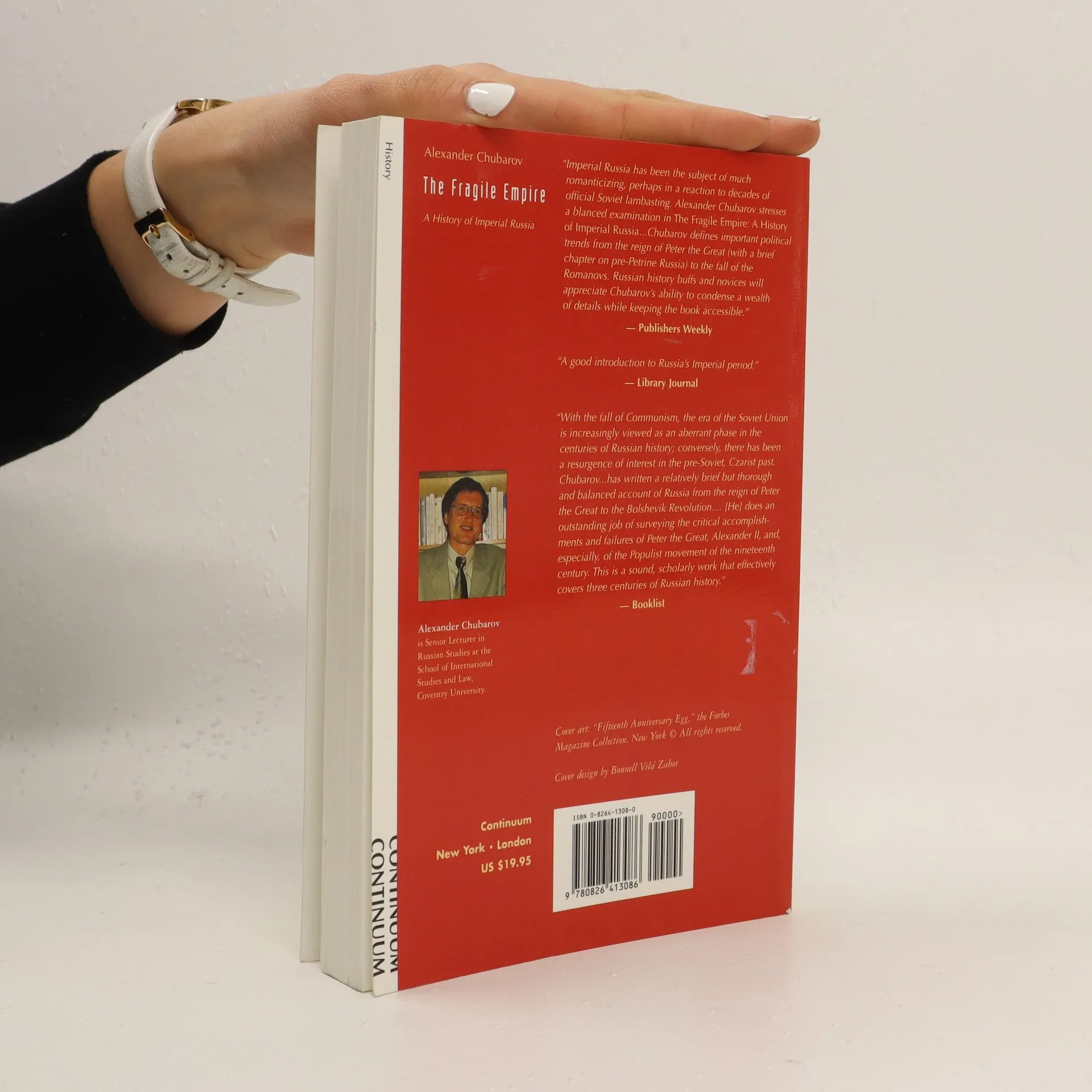
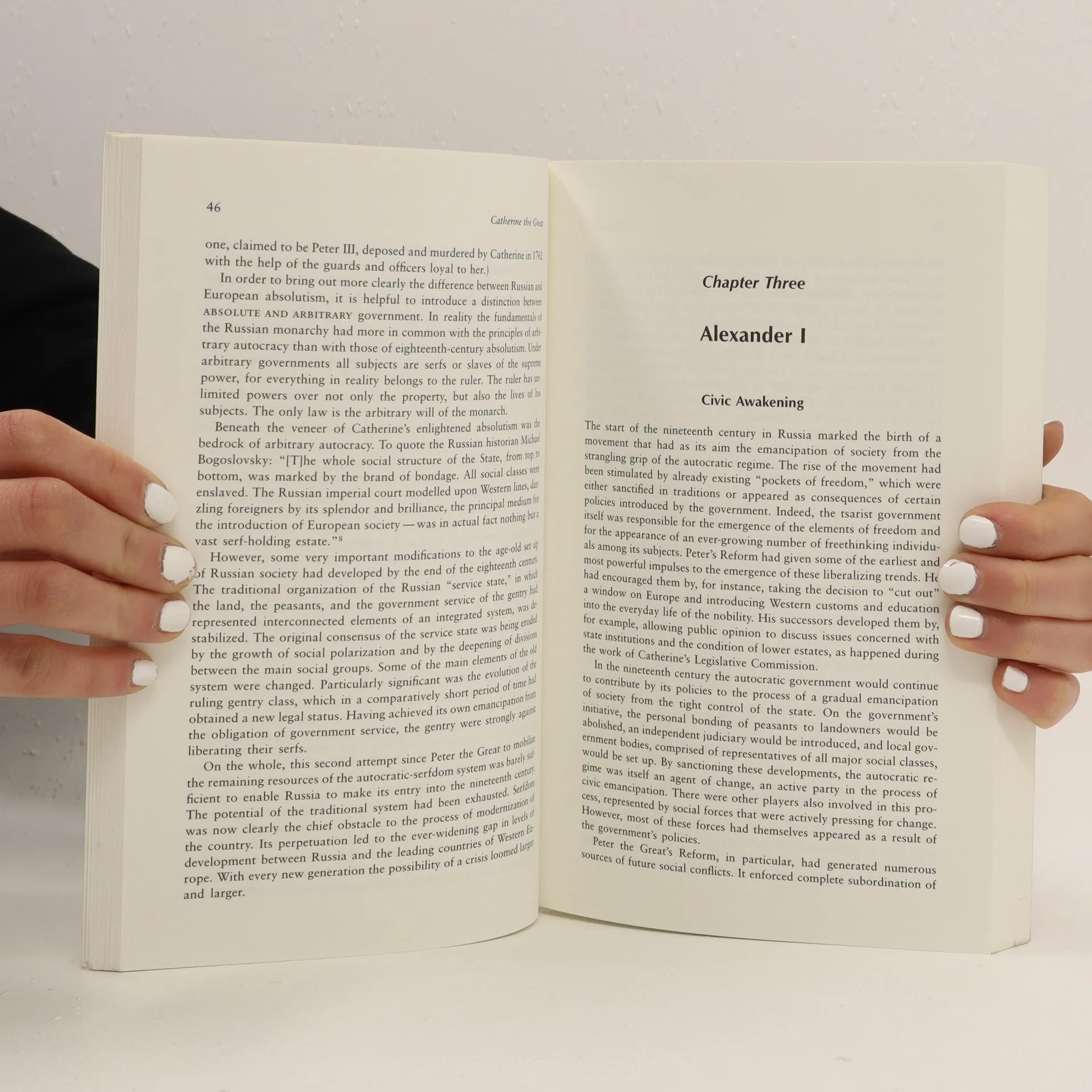
With the fall of communism and the dissolution of the Soviet Union, Russia's tsarist past has resurfaced prominently. This revival is evident in the restoration of names like St. Petersburg, the reestablishment of tsarist symbols, and the reintroduction of the State Duma. The challenge of reassessing this past is complex; the negative views of tsarist Russia prevalent during the Soviet era have shifted to a tendency for uncritical romanticism. A balanced interpretation of tsarist history is crucial. The book reexamines Russia's imperial history from Peter the Great to the 1917 collapse of tsarism, depicting it as an empire rife with internal contradictions. Spanning one-sixth of the earth's landmass, it was vulnerable to foreign threats and housed a large population, most of whom lived in poverty and discontent. Despite its vast natural resources, productivity was hindered by feudal remnants. The empire attempted to unify its diverse ethnic groups through Russification, which only fueled nationalist sentiments. While it claimed to be a "people's autocracy," the regime increasingly distanced itself from the populace. Ultimately, the tsarist empire became more fragile, leading to its disintegration amid war and revolution. Drawing on recent Russian and Western research, the book offers a solid historical foundation for evaluating Russia's Soviet legacy and its ongoing transition to democracy.
Zakup książki
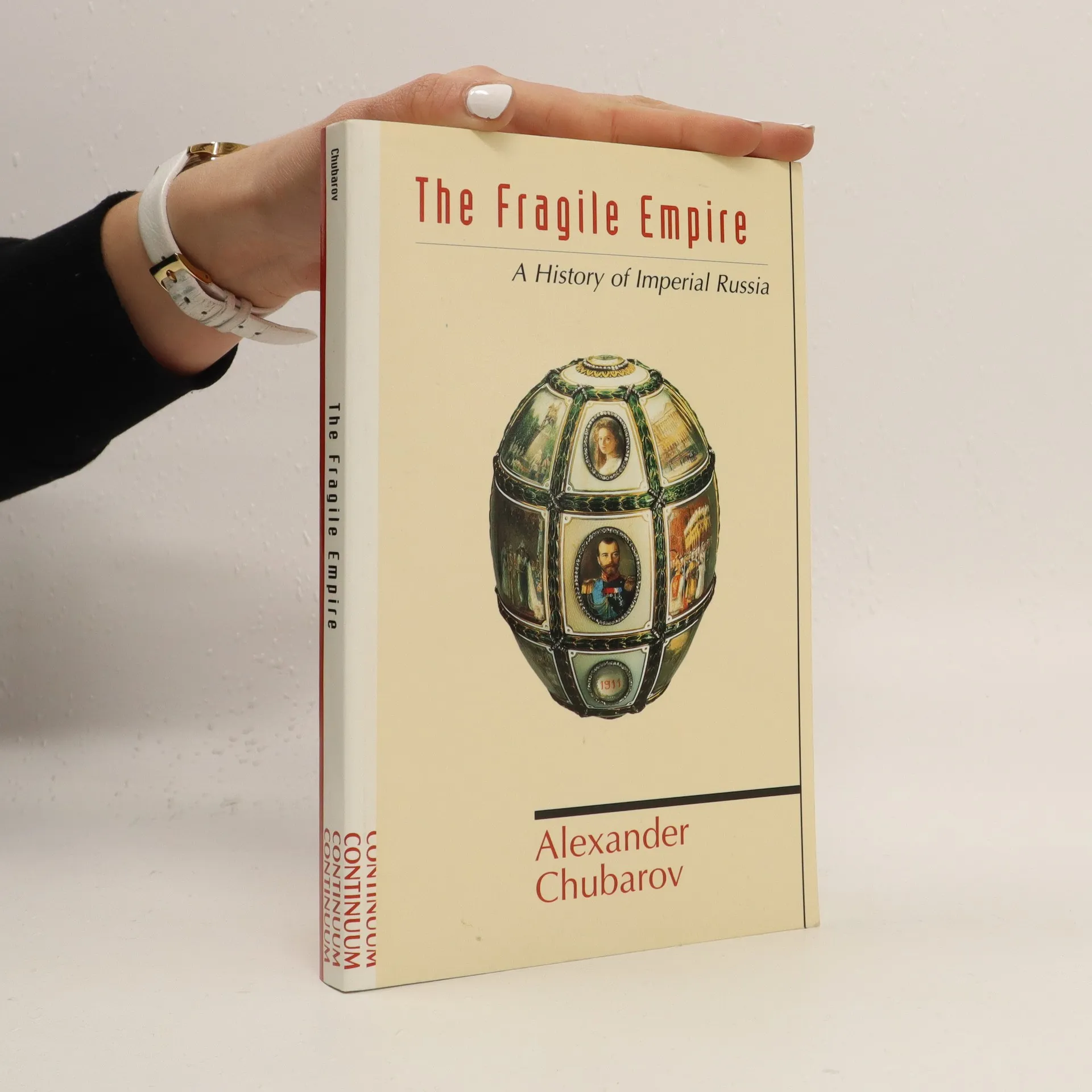
The fragile empire : a history of Imperial Russia, Alexander Chubarov
- Język

- Rok wydania
- 2001
- Oprawa
- (miękka)
Metody płatności
Brakuje nam tutaj Twojej recenzji.
- Tytuł
- The fragile empire : a history of Imperial Russia
- Język
- angielski
- Autorzy
- Alexander Chubarov
- Wydawca
- Continuum
- Rok wydania
- 2001
- Oprawa
- miękka
- Liczba stron
- 256
- ISBN10
- 0826413080
- ISBN13
- 9780826413086
- Seria
- Tagi
- Tematy historyczne, Rosja
- Ocena
- 4,25 z 5
- Opis
- With the fall of communism and the dissolution of the Soviet Union, Russia's tsarist past has resurfaced prominently. This revival is evident in the restoration of names like St. Petersburg, the reestablishment of tsarist symbols, and the reintroduction of the State Duma. The challenge of reassessing this past is complex; the negative views of tsarist Russia prevalent during the Soviet era have shifted to a tendency for uncritical romanticism. A balanced interpretation of tsarist history is crucial. The book reexamines Russia's imperial history from Peter the Great to the 1917 collapse of tsarism, depicting it as an empire rife with internal contradictions. Spanning one-sixth of the earth's landmass, it was vulnerable to foreign threats and housed a large population, most of whom lived in poverty and discontent. Despite its vast natural resources, productivity was hindered by feudal remnants. The empire attempted to unify its diverse ethnic groups through Russification, which only fueled nationalist sentiments. While it claimed to be a "people's autocracy," the regime increasingly distanced itself from the populace. Ultimately, the tsarist empire became more fragile, leading to its disintegration amid war and revolution. Drawing on recent Russian and Western research, the book offers a solid historical foundation for evaluating Russia's Soviet legacy and its ongoing transition to democracy.