

Więcej o książce
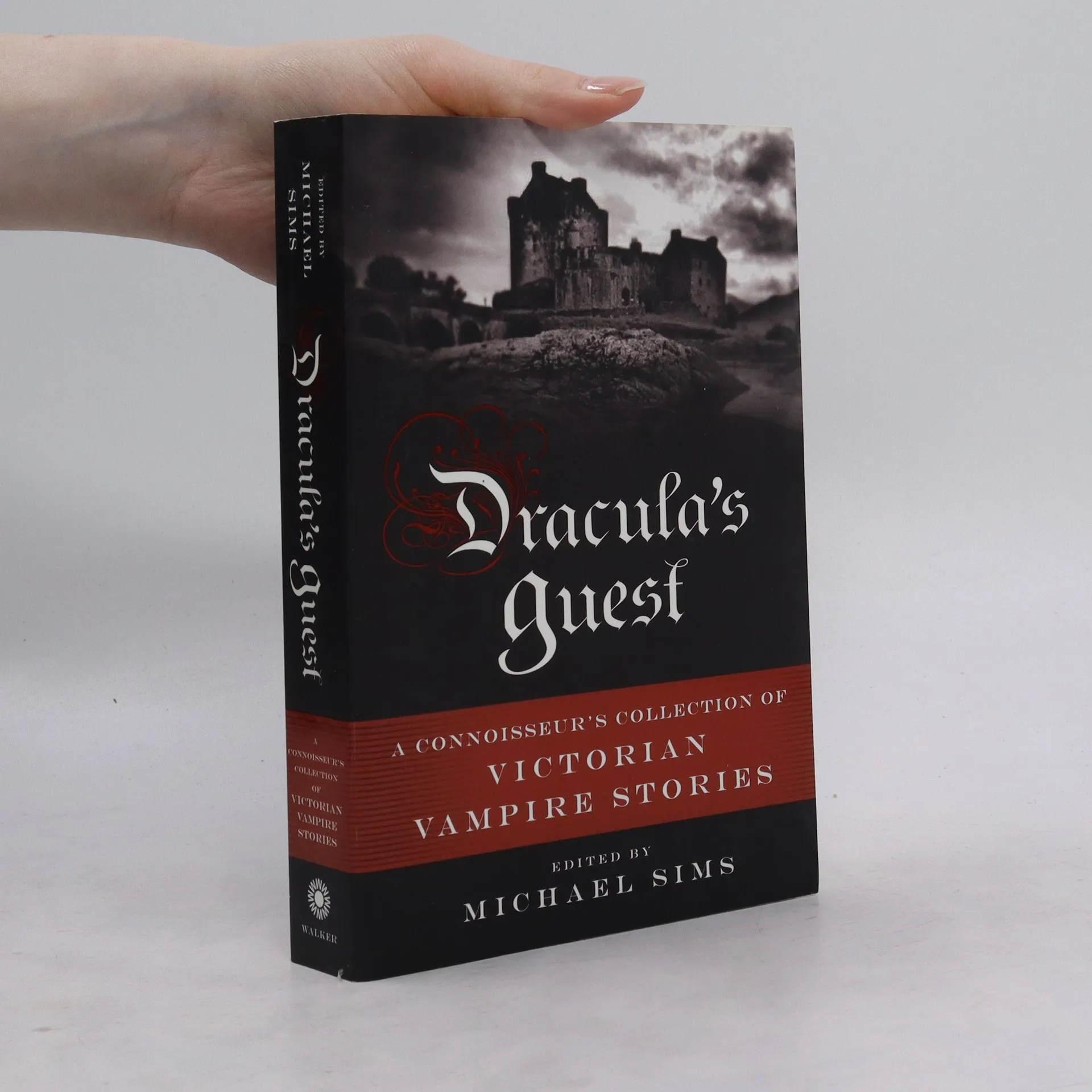
Michael Sims brings together the very best vampire stories of the Victorian era-from England, America, France, Germany, Transylvania, and even Japan-into a unique collection that highlights their cultural variety. Beginning with the supposedly true accounts that captivated Byron and Shelley, the stories range from Edgar Allan Poe's "The Oval Portrait" and Sheridan Le Fanu's "Carmilla" to Guy de Maupassant's "The Horla" and Mary Elizabeth Braddon's "Good Lady Ducayne." Sims also includes a nineteenth-century travel tour of Transylvanian superstitions, and rounds out the collection with Stoker's own "Dracula's Guest"-a chapter omitted from his landmark novel.Vampires captivated the Victorians, as Sims reveals in his insightful introduction: In 1867, Karl Marx described capitalism as "dead labor, which, vampire-like, lives only by sucking living labor"; while in 1888 a London newspaper invoked vampires in trying to explain Jack the Ripper's predations. At a time when vampires have been re-created in a modern context, Dracula's Guest will remind readers young, old, and in between of why the undead won't let go of our imagination.
Zakup książki
Dracula's Guest, Michael Sims
- Język

- Rok wydania
- 2010
- Oprawa
- (miękka)
Metody płatności
Brakuje nam tutaj Twojej recenzji.
- Tytuł
- Dracula's Guest
- Język
- angielski
- Autorzy
- Michael Sims
- Wydawca
- Walker Books
- Rok wydania
- 2010
- Oprawa
- miękka
- ISBN10
- 0802719716
- ISBN13
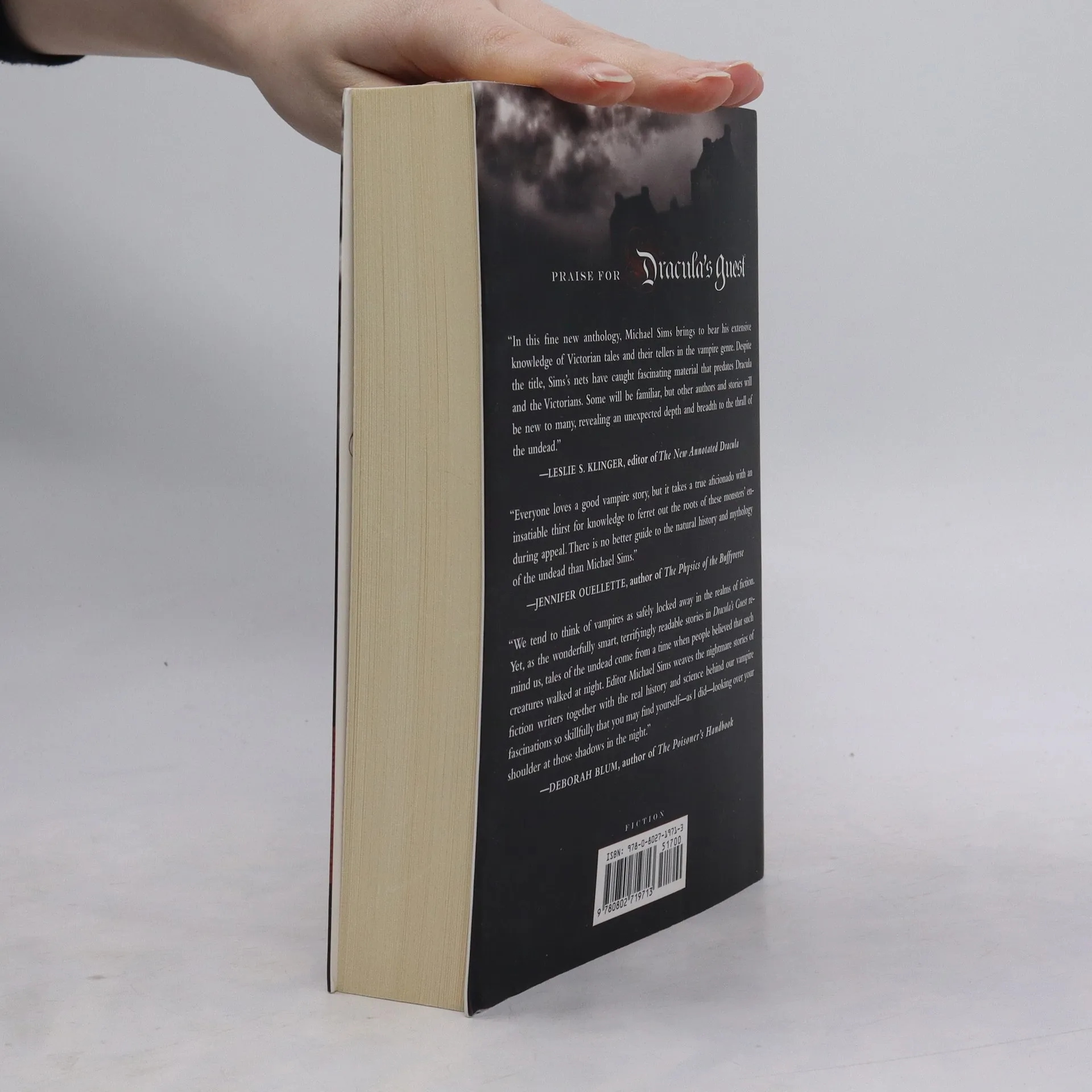
- 9780802719713
- Seria
- Kategorie
- Ocena
- 3,85 z 5
- Opis
- Michael Sims brings together the very best vampire stories of the Victorian era-from England, America, France, Germany, Transylvania, and even Japan-into a unique collection that highlights their cultural variety. Beginning with the supposedly true accounts that captivated Byron and Shelley, the stories range from Edgar Allan Poe's "The Oval Portrait" and Sheridan Le Fanu's "Carmilla" to Guy de Maupassant's "The Horla" and Mary Elizabeth Braddon's "Good Lady Ducayne." Sims also includes a nineteenth-century travel tour of Transylvanian superstitions, and rounds out the collection with Stoker's own "Dracula's Guest"-a chapter omitted from his landmark novel.Vampires captivated the Victorians, as Sims reveals in his insightful introduction: In 1867, Karl Marx described capitalism as "dead labor, which, vampire-like, lives only by sucking living labor"; while in 1888 a London newspaper invoked vampires in trying to explain Jack the Ripper's predations. At a time when vampires have been re-created in a modern context, Dracula's Guest will remind readers young, old, and in between of why the undead won't let go of our imagination.