




Więcej o książce
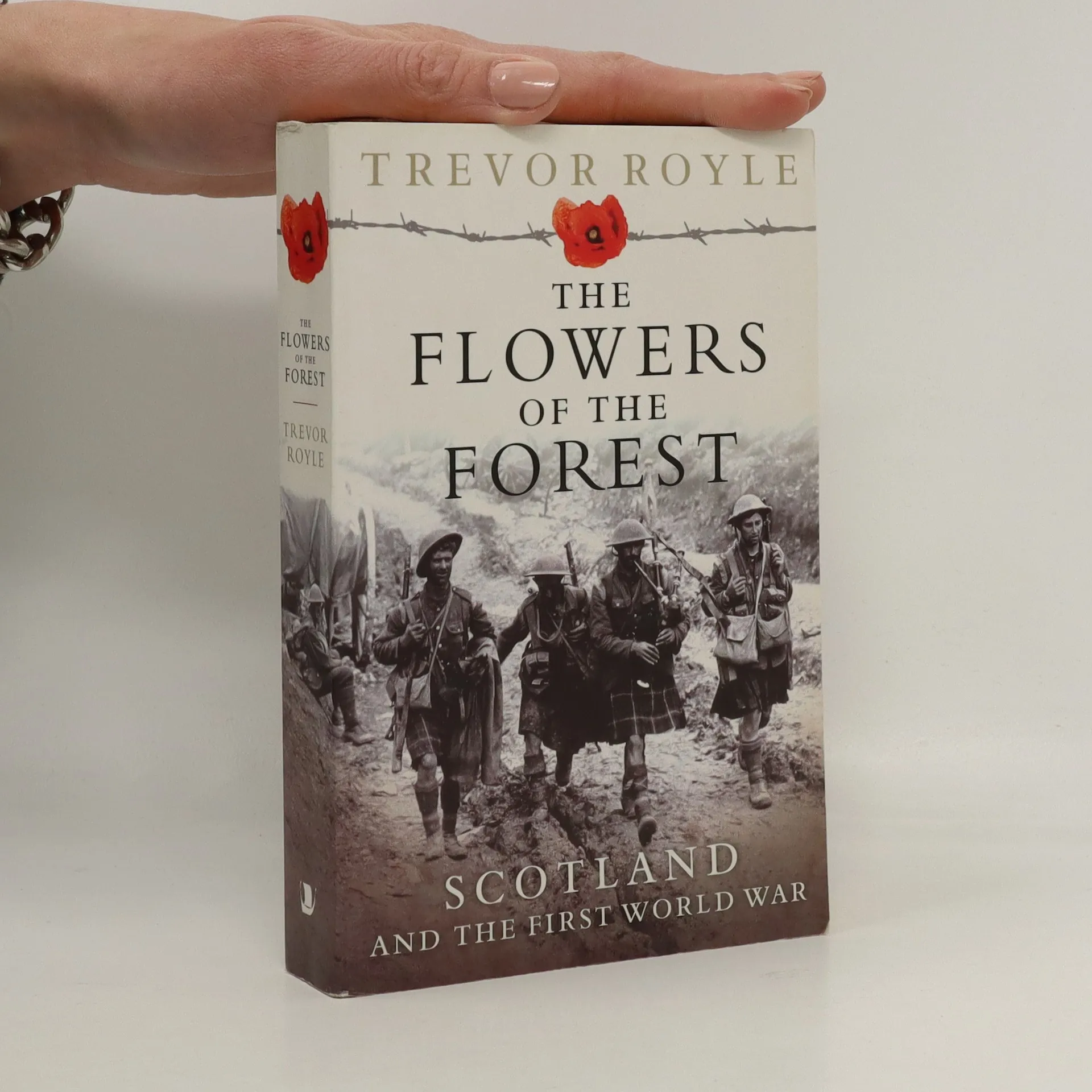
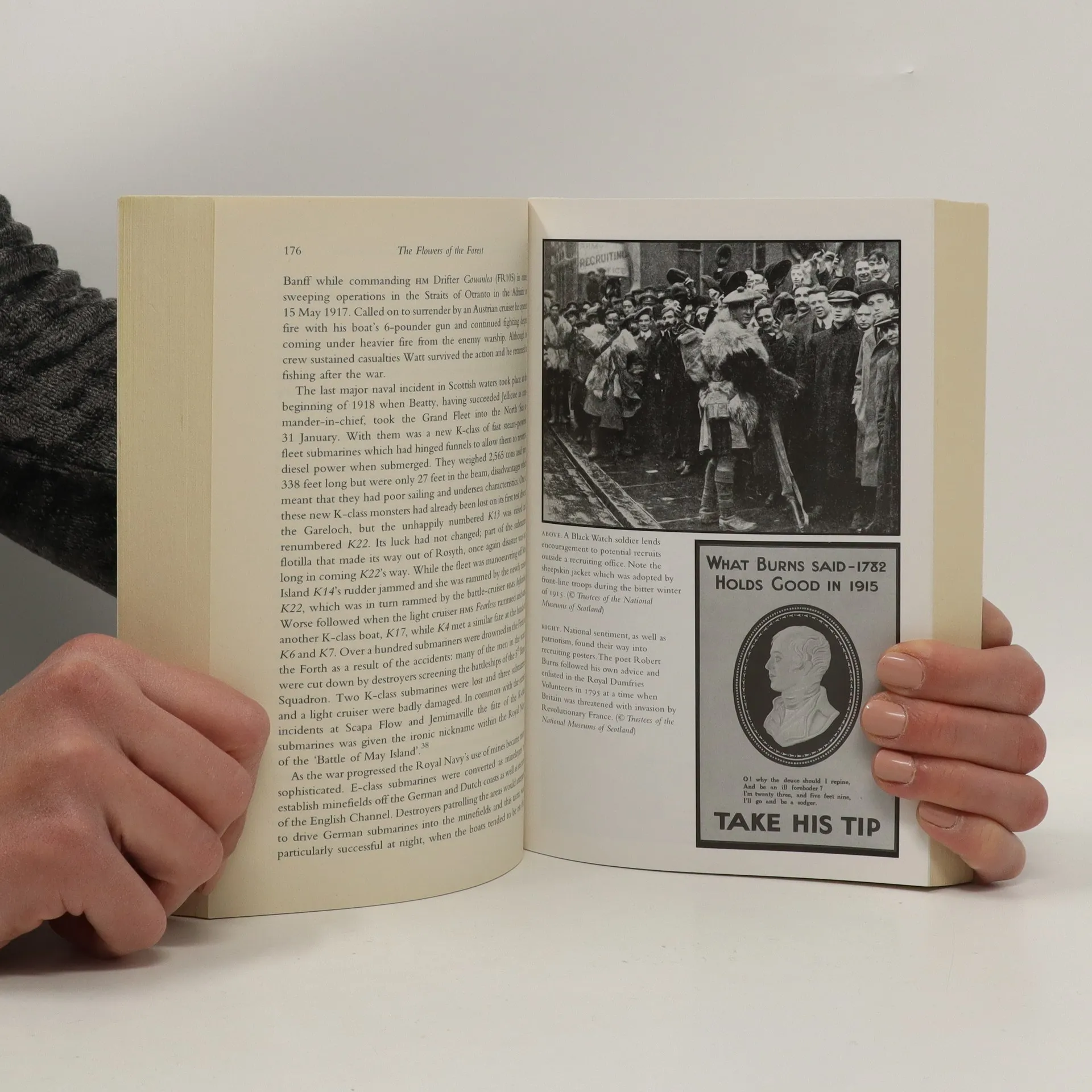
On the brink of the First World War, Scotland was regarded throughout the British Isles as 'the workshop of the Empire'. Not only were Clyde-built ships known the world over, Scotland produced half of Britain's total production of railway equipment, and the cotton and jute industries flourished in Paisley and Dundee. In addition, Scots were a hugely important source of manpower for the colonies. Yet after the war, Scotland became an industrial and financial backwater. Emigration increased as morale slumped in the face of economic stagnation and decline. The country had paid a disproportionately high price in casualties, a result of huge numbers of volunteers and the use of Scottish battalions as shock troops in the fighting on the Western Front and Gallipoli - young men whom the novelist Ian Hay called 'the vanished generation'.In this book, Trevor Royle provides the first full account of how the war changed Scotland irrevocably by exploring a wide range of themes - the overwhelming response to the call for volunteers; the performance of Scottish military formations in 1915 and 1916; the militarization of the Scottish homeland; the resistance to war in Glasgow and the west of Scotland; and the boom in the heavy industries and the strengthening of women's role in society following on from wartime employment.
Zakup książki
The Flowers of the Forest, Trevor Royle
- Język

- Rok wydania
- 2007
- Oprawa
- (miękka)
Metody płatności
Brakuje nam tutaj Twojej recenzji.
- Tytuł
- The Flowers of the Forest
- Język
- angielski
- Autorzy
- Trevor Royle
- Wydawca
- Birlinn
- Rok wydania
- 2007
- Oprawa
- miękka
- Liczba stron
- 384
- ISBN10
- 1843410400
- ISBN13
- 9781843410409
- Seria
- Kategorie
- Ocena
- 4,05 z 5
- Opis
- On the brink of the First World War, Scotland was regarded throughout the British Isles as 'the workshop of the Empire'. Not only were Clyde-built ships known the world over, Scotland produced half of Britain's total production of railway equipment, and the cotton and jute industries flourished in Paisley and Dundee. In addition, Scots were a hugely important source of manpower for the colonies. Yet after the war, Scotland became an industrial and financial backwater. Emigration increased as morale slumped in the face of economic stagnation and decline. The country had paid a disproportionately high price in casualties, a result of huge numbers of volunteers and the use of Scottish battalions as shock troops in the fighting on the Western Front and Gallipoli - young men whom the novelist Ian Hay called 'the vanished generation'.In this book, Trevor Royle provides the first full account of how the war changed Scotland irrevocably by exploring a wide range of themes - the overwhelming response to the call for volunteers; the performance of Scottish military formations in 1915 and 1916; the militarization of the Scottish homeland; the resistance to war in Glasgow and the west of Scotland; and the boom in the heavy industries and the strengthening of women's role in society following on from wartime employment.