


Więcej o książce
I. Einleitung: Was ist Europäische Integration?§II. Ein historischer Überblick§a) Die experimentelle Phase 1945-1957.§b) Konsolidierung und Stagnation 1958-1969.§c) Erweiterung und Vertiefung 1970-1989.§d) Neuorientierung nach der Wende 1990-heute.§III. Motive und Antriebskräfte der Europäischen Integration§1) Politische Motive der Europäischen Integration§a) Das Friedensmotiv§b) Die Lösung der 'Deutschen Frage'§c) Das Motiv der 'Dritten Kraft'§d) Nationale Selbstbehauptung durch europäische Integration§2) Wirtschaftliche Motive der Europäischen Integration§a) Wirtschaftspolitische Integration§b) Wirtschaftliche Integration durch das Zusammenwachsen von Märkten§3) Zivilgesellschaftlich-kulturelle Motive der Europäischen Integration§a) Die Konstruktion von europäischen Identitäten§b) Die europäische Öffentlichkeit§IV. Die Zukunft der Europäischen Integration§V. Auswahlbibliographie, Zeitleiste
Zakup książki
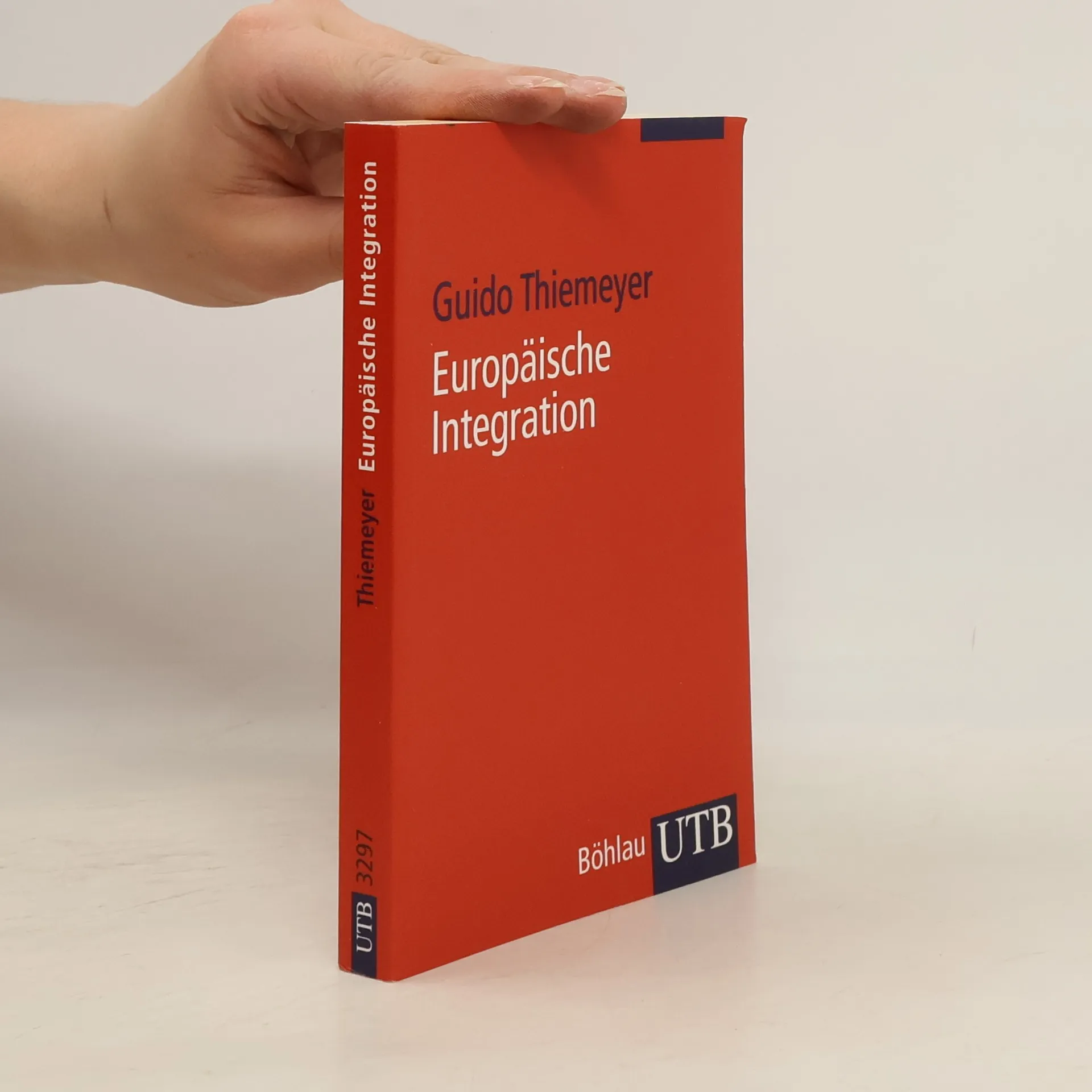
Europäische Integration, Guido Thiemeyer
- Język

- Rok wydania
- 2010
- Oprawa
- (miękka)
Metody płatności
Brakuje nam tutaj Twojej recenzji.
- Tytuł
- Europäische Integration
- Podtytuł
- Motive – Prozesse – Strukturen
- Język
- niemiecki
- Autorzy
- Guido Thiemeyer
- Wydawca
- UTB GmbH
- Rok wydania
- 2010
- Oprawa
- miękka
- Liczba stron
- 237
- ISBN10
- 3825232972
- ISBN13
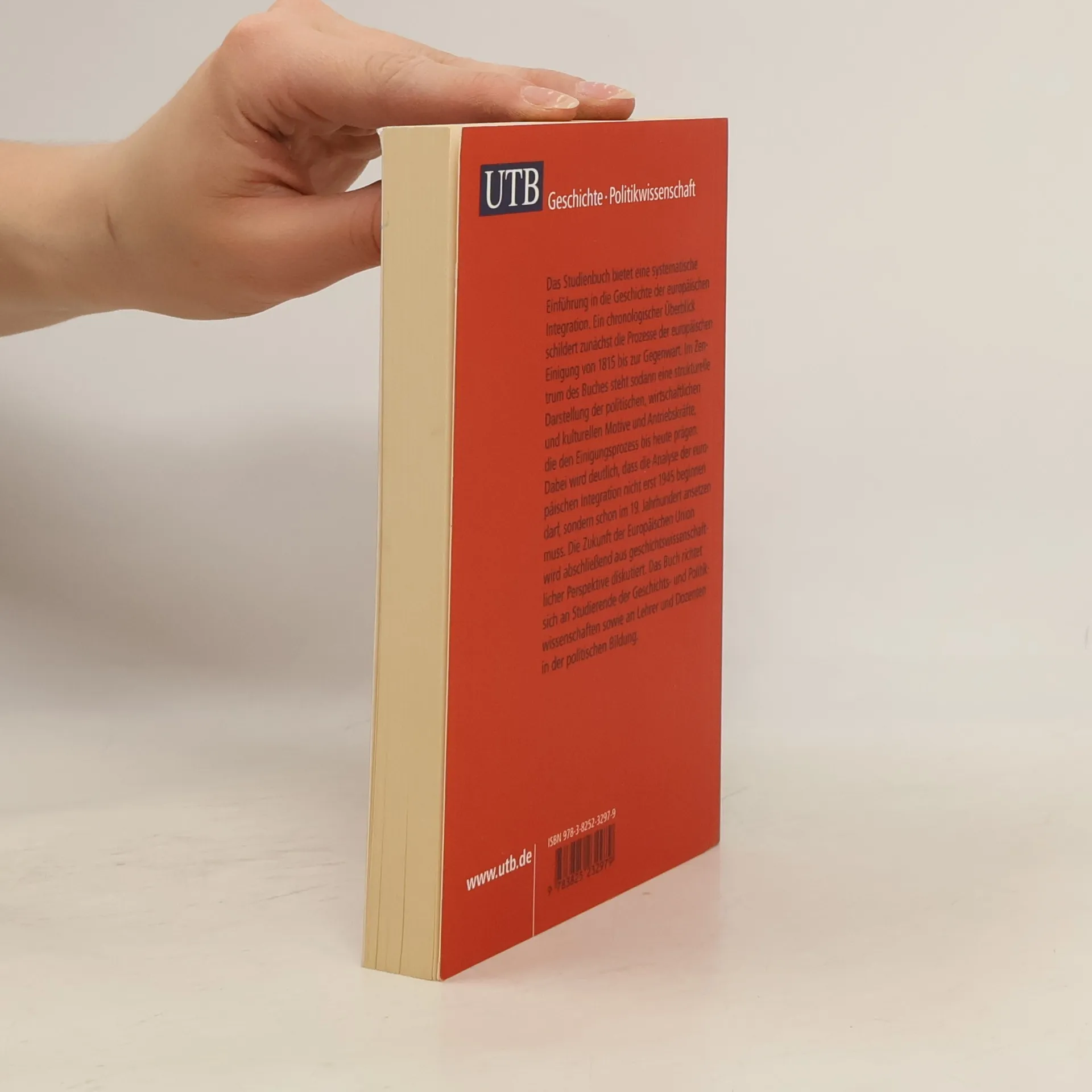
- 9783825232979
- Seria
- Kategorie
- Ocena
- 4 z 5
- Opis
- I. Einleitung: Was ist Europäische Integration?§II. Ein historischer Überblick§a) Die experimentelle Phase 1945-1957.§b) Konsolidierung und Stagnation 1958-1969.§c) Erweiterung und Vertiefung 1970-1989.§d) Neuorientierung nach der Wende 1990-heute.§III. Motive und Antriebskräfte der Europäischen Integration§1) Politische Motive der Europäischen Integration§a) Das Friedensmotiv§b) Die Lösung der 'Deutschen Frage'§c) Das Motiv der 'Dritten Kraft'§d) Nationale Selbstbehauptung durch europäische Integration§2) Wirtschaftliche Motive der Europäischen Integration§a) Wirtschaftspolitische Integration§b) Wirtschaftliche Integration durch das Zusammenwachsen von Märkten§3) Zivilgesellschaftlich-kulturelle Motive der Europäischen Integration§a) Die Konstruktion von europäischen Identitäten§b) Die europäische Öffentlichkeit§IV. Die Zukunft der Europäischen Integration§V. Auswahlbibliographie, Zeitleiste